

Scientists need greater understanding of the bacterium’s basic biology, as well as more about how it is spread from one individual to the next.
Articles on Drug regimes in southern Africa
Displaying all articles
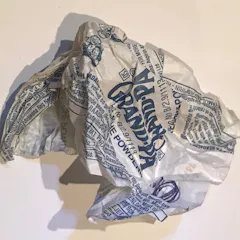
The pharmaceutical waste from Buffalo City dump sites reveals that the sale of over-the-counter drugs remains vastly unregulated and under-researched.

In the 1950s, the African yam was exploited by drugs firm Boots to produce cortisone. But South Africans fought back against the plundering of a plant that they used for traditional healing.

Sedatives contributed to a pharmaceutical revolution in South Africa in the divided 1950s, especially among white users.

There are two histories of dagga in South Africa - the one of criminalising it and the other of the state trying to make money off it.

Opium played a fascinating role in southern African colonial politics, conflict and social change - from the poppy fields of Mozambique to the early days of Johannesburg city.

From colonial poppy fields to pharmatrash, southern Africa offers a fascinating history of drug regimes – one that helps us make sense of drug policies and legislation today.
Top contributors
-

Professor of History, University of Johannesburg
-
Director, AIDS and Society Research Unit, University of Cape Town
-
Research associate, University of Pretoria
-
Microbiologist, Molecular Mycobacteriology Research Unit, University of Cape Town
-
Assistant Professor, University of California, Santa Barbara
-
Professor, University of Oxford
-
Head of Institute of Infectious Disease & Molecular Medicine, University of Cape Town
-
Head of Wellcome Centre for Infectious Diseases Research in Africa, University of Cape Town
-
Head of the Division of Pulmonology, University of Cape Town