

Gays, lesbians and other sexual minorities can face significant economic challenges with age.
Articles on Discrimination
Displaying 121 - 140 of 582 articles

While blatant discrimination is easy to condemn because of how obvious it is, there are subtler, more insidious forms that also need to be rooted out.

Although LGBTQI+ people certainly enjoy greater career opportunities than their peers a few decades ago, it is exceedingly rare to see them on corporate boards.

People who object to affirmative action were more likely to discriminate against job candidates with Black-sounding names than those who supported it, whether or not they had to rush.

Life insurance companies can legally use the results of genetic tests to decline coverage or increase premiums. MPs have called for legislation that bans this practice.

Our recently published research finds inequitable power dynamics behind the camera on Australian film sets are pernicious and persistent.

In their lawsuits against affirmative action, Students For Fair Admission claimed to want to protect Asian Americans. A law professor explains why the Supreme Court ruling doesn’t achieve that goal.

The Marriage Bill should strike a balance between preserving non-discriminatory cultural and religious practices and promoting liberal values.
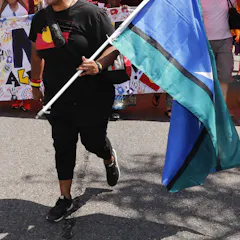
Aboriginal and Torres Strait Islander people who are also LGBTQIA+ are often not considered in research and policies. This can mean First Nations people have limited access services.

Muslim teachings on sexual and gender diversity are far more diverse than what many conservative groups would like us to believe.
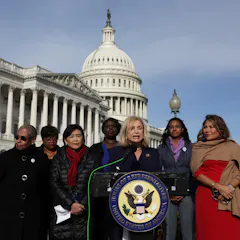
Women’s rights groups and politicians have pushed, ultimately unsuccessfully, for the Equal Rights Amendment to become part of the Constitution for the past several decades.
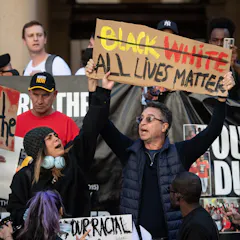
‘Reverse racism’ focuses on prejudiced attitudes towards a certain (racialised) group, or unequal personal treatment. But it ignores one of racism’s central markers: power.
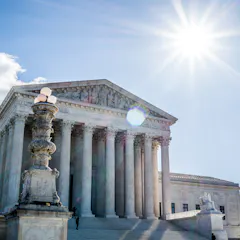
Two sociologists break down how cases related to plaintiffs’ beliefs and LGBTQ+ rights have fared in federal courts over several decades.
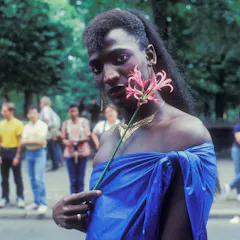
As violent attacks against gay people continue to increase in the US, Black transwomen face ongoing battles against discrimination in the workplace and over receiving health care.

We found that class prejudice is extensive in cricket. Racism is still entrenched. Women are marginalised and routinely experience sexism and misogyny.
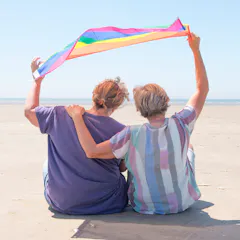
Sex between women has never been specifically outlawed.
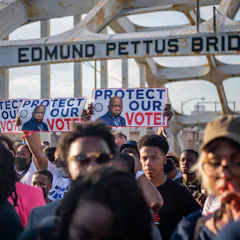
At a time when state legislatures are enacting laws that restrict who, when and where people can vote, the US Supreme Court ruled to protect voting rights.

President Lyndon Johnson’s commencement address at Howard University in 1965 offered a compelling argument on the need for affirmative action. His policies have been challenged ever since.

Despite denunciations of discrimination against French-speaking students who want to settle in Canada, particularly Africans, the federal government does not seem to want to act.
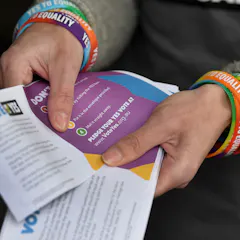
In order to combat racism and misinformation, it is vital for non-Indigenous people to have informed conversations about the referendum with those around you.
Top contributors
-

Lecturer, Faculty of Law, Monash University
-
Cadre en exercice, John Molson School of Business, Concordia University
-
Professor of Sociology and Director of the Center for Employment Equity, UMass Amherst
-
Professor of Business Law, Indiana University
-
Dean, John Molson School of Business, Concordia University
-
Yale University
-
Associate Professor of Sociology, University of Nebraska-Lincoln
-
Professor of Human Rights Law, Monash University
-
Lecturer in Law, University of Tasmania
-
Professor of Social Work, Michigan State University
-
Professor of Sociology and Women's and Gender Studies, University of Nebraska-Lincoln
-
Assistant Professor of Sport Management, Syracuse University
-
Professor of Journalism, Indiana University
-
Senior Lecturer in Law
-
Lecturer in Psychosis Studies, King's College London