

Only 16% of adults with autism are in full-time work.
Articles on Diagnosis
Displaying 121 - 140 of 164 articles

Technology is changing how plant diseases are recognised and dealt with by small scale farmers in Africa.
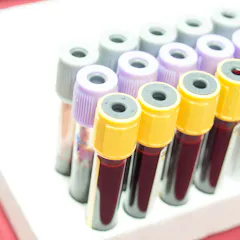
Scientists have made advances in developing a new type of blood test to detect eight of the most common cancers.

Early intervention is key to treating autism, but how is a family to know which quirky childhood behaviours might be symptoms? An educational psychologist explains.
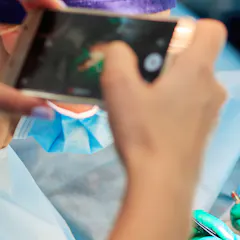
Has your doctor ever taken a photo of your medical condition? It’s really useful to aid diagnosis, but we still don’t have the right legislation to ensure legal and ethical protections.

Assessment scales for ADHD have been developed using mostly male research samples. As a result, the behaviours indicating ADHD in girls may not be what you expect.
One person with a given diagnosis can be entirely different, symptomatically speaking, from another with the same diagnosis.

If you’re 45 or older and have depression, new research suggests you may need to ask for a heart check when you next see your doctor.
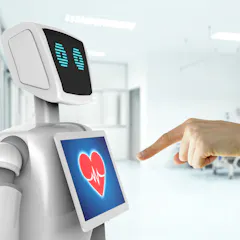
The first generation of medical artificial intelligence systems are already rolling out to clinics. What are the plus- and down-sides?
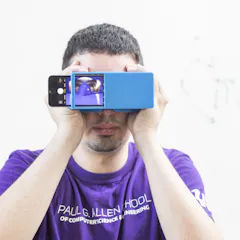
An app could help diagnose one of the most deadly cancers at the early stages using eye-scanning technology.

There’s a fierce debate about whether it’s ethical for mental health professionals to diagnose politicians they haven’t personally examined.
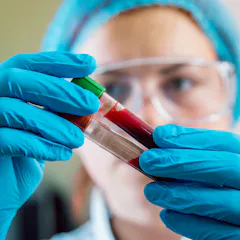
Blood is perhaps the most important window through which we can peer into a person’s health or illness.

Autism manifests in different ways. The signs are often less visible in women than in men, leading many to be underdiagnosed.

We all know what a drunk person looks like, right? Wrong. Even health care workers can be confused.
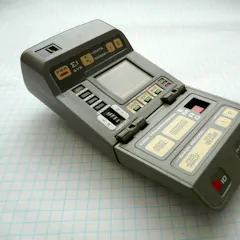
One day doctors could instantly diagnose your illness with a handheld device.

An early diagnosis can be the difference between living and dying.

More of us are labelled as sick with the constantly changing diagnostic cut-offs for diseases. Now an international expert panel has drafted a list of things to consider before setting new thresholds.
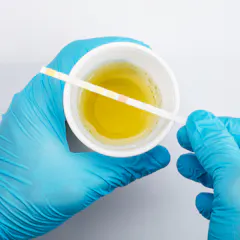
If you’re not sure why you need a urine test or the right way to collect a sample, here’s what you need to know.

Scientists are only just beginning to understand the full extend of noise-induced hearing loss.
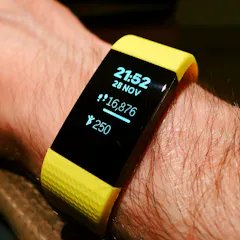
Soon, wearable fitness devices will be able to diagnose diseases. Could that lead insurers to deny coverage to people based on their data alone?
Top contributors
-

Associate Professor, Epidemiology, Deakin University
-
Professor Emerita, Nursing, School of Nursing and Midwifery, Griffith University
-
NHMRC Emerging Leader Research Fellow, School of Public Health, University of Sydney
-
Deputy Director, The Kids Research Institute Australia, Professor of Autism Research, The University of Western Australia
-
Professor of Clinical Epidemiology, Sydney School of Public Health, University of Sydney
-
Professor of Psychology, The University of Melbourne
-
Professor & Senior Principal Research Fellow, The Kids Research Institute Australia
-
Professor of Biomedical Engineering, University at Buffalo
-
Professor of Anatomy, Lancaster University
-
Honorary Enterprise Professor, School of Population and Global Health, and Department of General Practice and Primary Care, The University of Melbourne
-
Associate Professor of Educational Studies in School Psychology, University of Calgary
-
Senior Research Officer, Blood Cells and Blood Cancer Division, WEHI (Walter and Eliza Hall Institute of Medical Research)
-
Director, Nephrology and Kidney Care Services, Melbourne Health
-
Senior lecturer, Manchester Metropolitan University
-
Lecturer in Law, Sydney Law School, University of Sydney