

Why is it acceptable to leer at photos of murdered women in the name of entertainment?
Articles on Dark tourism
Displaying 21 - 31 of 31 articles
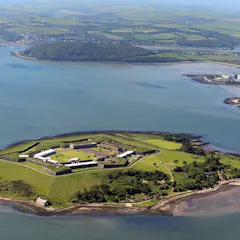
The former prison, Spike Island, is now one of the world’s top ‘dark tourism’ destinations.
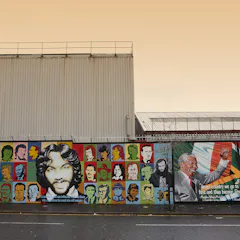
Northern Ireland has a tourist circuit steeped in death and disaster – is this a good thing?
In recent years, the number of people traveling to sites of death, natural disaster, acts of violence, tragedy and crimes against humanity has dramatically increased. Is it immoral?

There is no evidence to support the marketing of an ancient boab in Western Australia as a tree that once held Aboriginal prisoners. The story is a myth that elides the tree’s deep significance to Indigenous people.
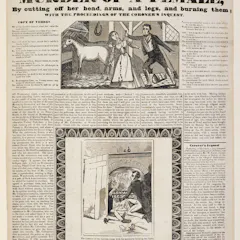
Victorians revelled in images and descriptions of murder and mutilation which would today be regarded as shocking.
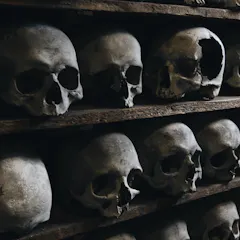
Disaster tourism and obsessions with sites of death and destruction can be a learning experience, not just voyeurism.
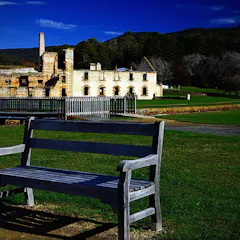
The 20th anniversary of the massacre at Port Arthur again raises pressing questions about ways of remembering the tragedy.

Might the rise of heritage tourism and the increasing ease of international travel lead to more of Australia’s military experiences overseas being better understood?
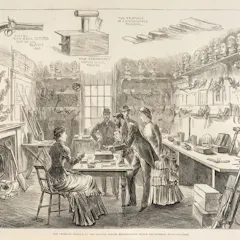
People love all things spooky and gory: but when does dark tourism cross the boundary?
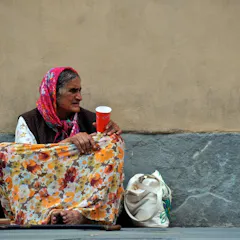
Gypsies, tinkers, pikeys, travellers – everyone knows the terms, not to mention the even more derogatory ones. The Roma and Sinti people have been the subject of prejudice and discrimination in Europe…
Top contributors
-

Professor of Marketing and Tourism, Nottingham Trent University
-
Associate Professor, Management, University of Technology Sydney
-
Assistant Vice-Principal and Director of the Moffat Centre for Travel and Tourism Business Development, Glasgow Caledonian University
-
Senior Lecturer in Sociology, Adelaide University
-
Associate Professor of Intercultural Communications (Tourism and Languages), Edinburgh Napier University
-
Lecturer in Tourism (Management/Marketing), University of Glasgow
-
Adjunct Fellow Management & Tourism, University of Technology Sydney
-
Senior Teaching Fellow, University of Portsmouth
-
Associate Professor of Architecture and Urban Design, RMIT University
-
Lecturer in Social Anthropology and International Development, University of Sussex
-
PhD candidate and co-owner of Desmond Tours, Technological University of the Shannon
-
Associated Professor in Tourism, Edinburgh Napier University
-
Assistant Professor in Digital Humanities, Trinity College Dublin
-
Senior Lecturer, Political Science and International Relations, University of Canterbury
-
PhD Researcher in Tourism Studies, Leeds Beckett University