
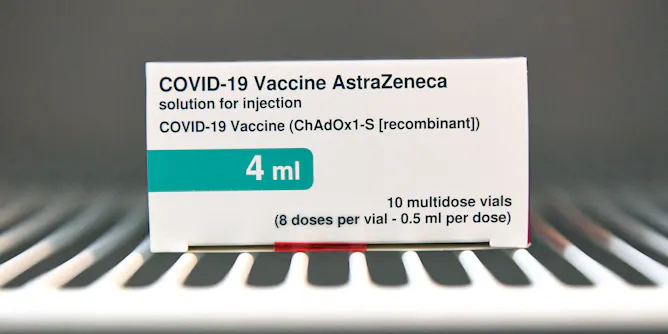
The challenge now is to address the understandable concerns and prevent them from contaminating the broader public dialogue on COVID-19 vaccination.
Articles on COVID-19 vaccines
Displaying 361 - 380 of 596 articles
Analysis of almost 100,000 tweets reveals how news reports can change the way people feel about vaccination.

With changing recommendations about AstraZeneca’s COVID-19 vaccine making headlines, many people have questions about its use.

How do we reasonably and accurately balance the risks of the AstraZeneca vaccine against the benefits? Conceptualising risk can be tricky, but the government’s latest advice is sensible.
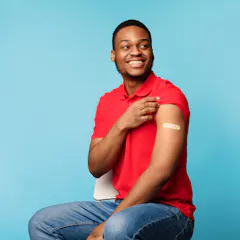
Our well-meaning efforts to use images to help demystify the vaccination process or share our pride in getting a COVID vaccine can backfire.

We need to stop relying on small GP clinics and urgently move towards using mass vaccination hubs like stadiums, schools and parks.

In countries such as Indonesia, politicised science can obscure real research. Open science has the potential to help filter out sketchy research and protect the public’s interests.

Vaccine manufacturing is complex, with lots of potential points for errors. But it also has extensive quality control checks and approvals.

Good news for children and young people, bad news for Johnson & Johnson.
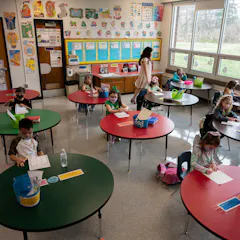
In-person learning can safely resume as long as schools take steps to mitigate the spread of COVID-19.
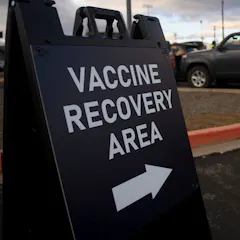
Many people never experience the least bit of discomfort from the COVID-19 vaccines, but mild side effects are common. They include swelling in the affected arm, nausea and chills.

These mistakes have been mainly caused by our leaders giving priority to a good political story over good policy.

The development of the COVID-19 vaccines is part of a vast system of public subsidies and universities, not corporate ambition.
The anticipated arrival of two new vaccines can boost the morale of those worried about the wait for their dose.

For people who are immunodeficient, the usual controls of the immune system don’t work as well. This can affect how they respond to vaccines. But this group should still get the COVID jab.

Researchers in the US are the first to study how pregnant and breast-feeding women are responding to the vaccines. The results are promising
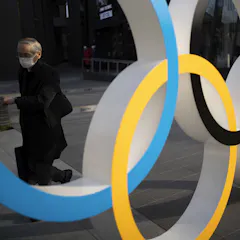
Still in the midst of a global pandemic, the International Olympic Committee’s dream of hosting the Tokyo Games in a “post-corona world” is not possible. But should the Games go ahead at all?

There are three broad sets of health-related opportunities and benefits that may shape the future of India-Africa relations.
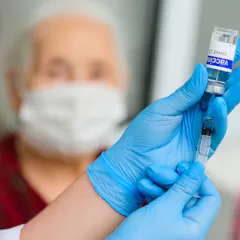
Pausing COVID-19 vaccine rollouts can backfire. There are better ways to manage safety issues while they’re being investigated.
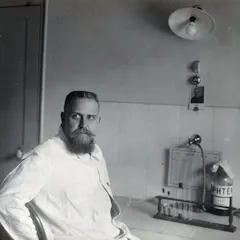
Adjuvants have been giving vaccines their oomph since 1925.
Top contributors
-

Professor, School of Population Health, UNSW
-
Professor, The Children's Hospital at Westmead Clinical School and Sydney Infectious Diseases Institute, University of Sydney
-
Early Career Research Leader, Emerging Viruses, Inflammation and Therapeutics Group, Menzies Health Institute Queensland, Griffith University
-
Professor of Paediatrics and vaccinologist, Royal Childrens Hospital, University of Melbourne and Murdoch Childrens Research Institute (MCRI); Associate Dean International, University of Melbourne, Murdoch Children's Research Institute
-
Professor, School of Social Sciences, The University of Western Australia
-
Associate Professor and ARC Future Fellow, The University of Western Australia
-
Associate professor, Department of Family and Community Medicine, University of Toronto; York University, Canada; University of Sydney
-
Professor, School of Biomedical Sciences and Pharmacy, University of Newcastle
-
Associate Professor, Epidemiology, Deakin University
-
Associate Professor of Health Law, Policy and Management, Boston University
-
Research associate, Warren Alpert Medical School, Brown University, Brown University
-
Chair in Epidemiology, Deakin University
-
Distinguished Professor, Professor of Immunology, RMIT University
-
Vice-Chancellor's Research Fellow, School of Health and Biomedical Sciences, RMIT University
-
Instructor of Human Immunology, Emory University