
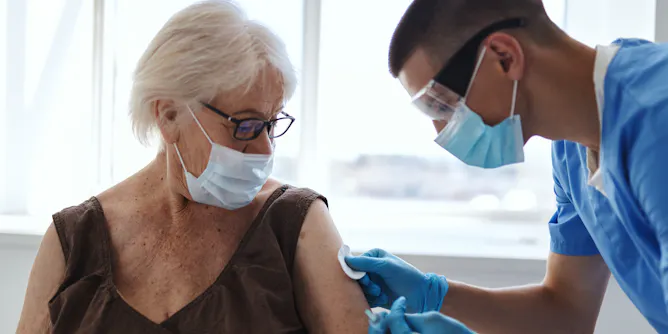
The UK has outlined plans to top the immunity of the most vulnerable ahead of the winter.
Articles on COVID-19 vaccines
Displaying 181 - 200 of 596 articles
There are other pathways to increasing vaccination rates, while also fostering trust in the health-care system. These have proved difficult in the US, but are available in Australia.

Before the pandemic, the public perceived science as infallible and inaccessible. But the opening up of research to the general public has changed that perception.
One study suggests getting vaccinated halves the risk of developing long COVID.
Governments are launching booster programmes over fears about waning immunity levels, but vaccines are still highly effective at what matters most – preventing severe disease.
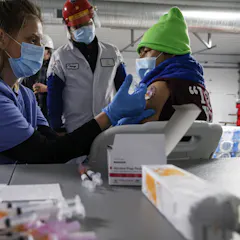
Overlapping vaccine mandates at the federal, state and local levels aims to reduce the number of unvaccinated Americans.
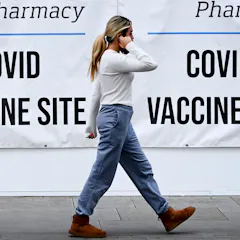
Countries yet to experience major outbreaks will probably see big rises in cases, even if their vaccine programmes are successful.
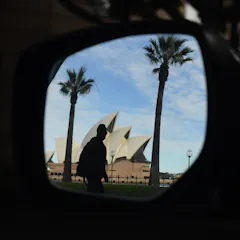
The rules dividing states and territories are likely to remain in the short term. But as time goes on and vaccination rates increase, many may stop trying to reach COVID-zero too.
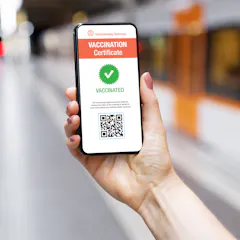
Australians will soon need to prove they’re fully vaccinated to do things like travel overseas and visit restaurants and pubs.
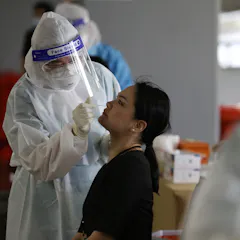
‘Breakthrough’ infections can happen because of waning immunity or high viral doses. But our vaccines are still excellent at preventing severe disease and death.

Any advertisement asking us to get vaccinated must answer one crucial question: what’s in it for me?
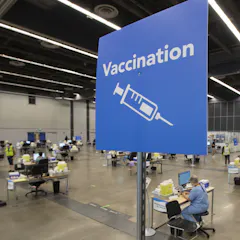
A medical student answers questions he gets asked at a COVID-19 vaccine clinic: Efficacy versus real-world effectiveness, immune response and how the mRNA vaccines compare to vaccines already in wide use.
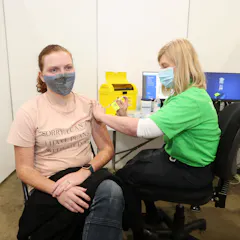
mRNA vaccines are the first synthetic vaccines, meaning they’re made outside of a living cell. But so are lots of things we consume every day, such as vitamin C pills and other dietary supplements.

It’s not spreading widely, and it’s not at Australia’s doorstep. The tools we have in place work against the coronavirus.

There are practical things you can do to make your child more comfortable if they’re ill.
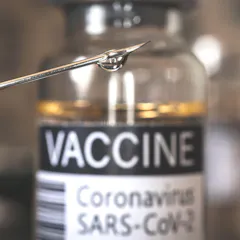
A universal vaccine has been described as the ‘holy grail’ – but how close are we to getting one?
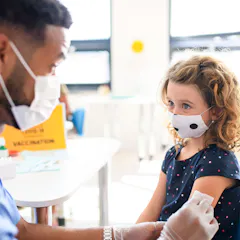
An infectious disease doctor explains the science behind COVID-19 vaccines at a level that children – and adults – of all ages can understand.
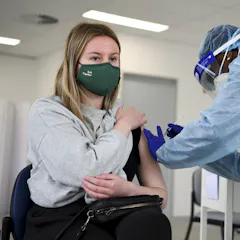
Some countries have started administering third doses of COVID vaccines, or booster shots. But we’re still learning about how long immunity lasts from the first two shots.
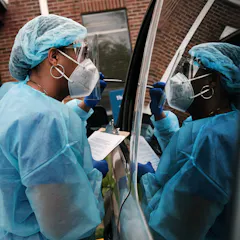
Achieving widespread immunity to COVID-19 through vaccination requires as many people as possible to get their shots, including those who object or haven’t bothered.
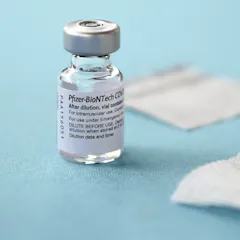
The U.S. FDA has approved the first COVID-19 vaccine. How is approval different from emergency use authorization, and what difference will it make to a vaccine that’s already in global use?
Top contributors
-

Professor, School of Population Health, UNSW
-
Professor, The Children's Hospital at Westmead Clinical School and Sydney Infectious Diseases Institute, University of Sydney
-
Early Career Research Leader, Emerging Viruses, Inflammation and Therapeutics Group, Menzies Health Institute Queensland, Griffith University
-
Professor of Paediatrics and vaccinologist, Royal Childrens Hospital, University of Melbourne and Murdoch Childrens Research Institute (MCRI); Associate Dean International, University of Melbourne, Murdoch Children's Research Institute
-
Professor, School of Social Sciences, The University of Western Australia
-
Associate Professor and ARC Future Fellow, The University of Western Australia
-
Associate professor, Department of Family and Community Medicine, University of Toronto; York University, Canada; University of Sydney
-
Professor, School of Biomedical Sciences and Pharmacy, University of Newcastle
-
Associate Professor, Epidemiology, Deakin University
-
Associate Professor of Health Law, Policy and Management, Boston University
-
Research associate, Warren Alpert Medical School, Brown University, Brown University
-
Chair in Epidemiology, Deakin University
-
Distinguished Professor, Professor of Immunology, RMIT University
-
Vice-Chancellor's Research Fellow, School of Health and Biomedical Sciences, RMIT University
-
Instructor of Human Immunology, Emory University