

The Affordable Care Act has allowed many preventive health services, including cancer screenings and vaccines, to be free of charge. But legal challenges may lead to costly repercussions for patients.
Articles on Coronavirus Aid, Relief, and. Economic Security Act (CARES Act)
Displaying all articles
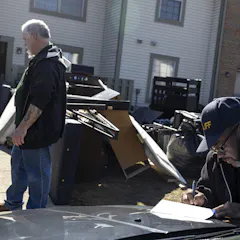
A federal eviction ban had much less effect than state-specific restrictions, an analysis of eviction data finds.
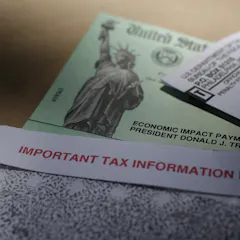
The $1.9 trillion package gets a lot of stuff right, but the direct payments are not among them, argue two economists.

Massive stimulus plans combined with rising production costs could lead to expectations that inflation will rise. And that alone could trigger an inflationary spiral not seen in 25 years.
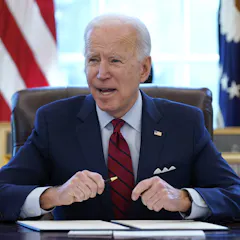
Whether the next pandemic bailout bill is called relief or stimulus depends on what ails the US economy – and maybe it doesn’t matter at all.
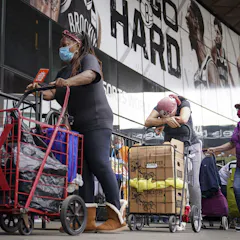
A survey of the impact of the first few rounds of coronavirus aid shows that most of those who lost jobs or wages due to the pandemic were facing severe economic hardship.
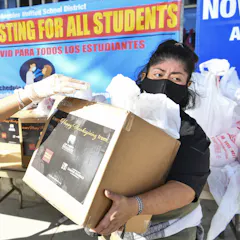
Nonprofits are being forced to do more with less money, which may force many of them to close within the next couple of years.

Widely adopted in the US when pandemic precautions kept people home, telehealth faces a challenge as insurance coverage changes, right when its popularity had surged.
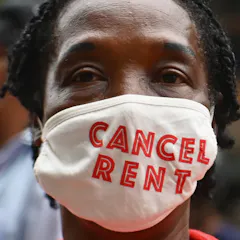
The CDC’s sweeping eviction moratorium leaves more questions than answers – as well as concerns that it merely pushes the problem into winter.
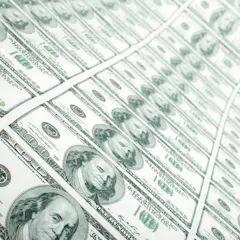
Congress is spending trillions of dollars trying to rescue the US economy and support workers and businesses. Can America afford it? ‘No sweat,’ according to modern monetary theory.

Tens of millions of Americans who have been telecommuting during the pandemic are beginning to head back to the office – even though COVID-19 remains a threat.

This measure, included in a pandemic relief package, is supposed to encourage Americans to give more to nonprofits.

The Education Department is reinterpreting rules Congress wrote for how public school systems should share federal dollars with private schools.

About one in four businesses say they’re two months away from permanent closure, yet many of the neediest businesses are struggling to get some of the aid intended for them.

Seven of the past 10 business bailouts since 1969 have either broke even, or more frequently, ended up making a tidy profit for taxpayers.
Top contributors
-

Part-Time Professor of Economics, The New School
-
Research Associate, Idaho Policy Institute, Boise State University
-
Richard L. Menschel Professor of Public Health and Professor of Health Policy and Political Analysis, Emeritus, Harvard University
-
Associate Professor of Economics, University of South Carolina
-
Assistant Director of the Harvard Opinion Research Program at the Harvard T.H. Chan School of Public Health, Harvard University
-
Research Assistant Professor in Urban Planning, University of Florida
-
Associate Teaching Professor & Director of the Nancy Bell Evans Center on Nonprofits and Philanthropy, University of Washington
-
Research Associate, Idaho Policy Institute, Boise State University
-
Professor & Greenbaum/Ferguson/NJAR Endowed Chair in Real Estate Policy, Monmouth University
-
Professor of Law, University of South Carolina
-
Associate Professor of Nursing, West Virginia University
-
Lecturer of Politics, University of California, Santa Cruz
-
Professeur d'économie, ESSEC
-
Associate Professor of Health Policy, Management and Leadership, West Virginia University
-
Associate Professor of Health Law, Policy and Management, Boston University