

Will the joy and exhilaration of travel return after the COVID-19 pandemic? Yes, but with a new value proposition built around safe and secure travel.
Articles on Contact tracing
Displaying 61 - 80 of 108 articles
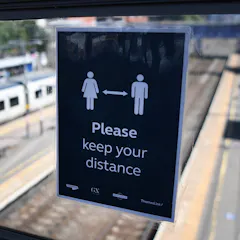
Stigmatising people with coronavirus risks undermining efforts to control the pandemic through contact tracing.
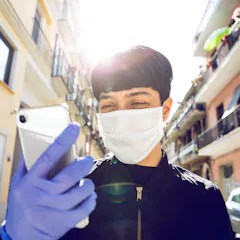
Trust in the confidentiality of contact tracing broke down during the AIDS epidemic. Today, it’s faltering again.
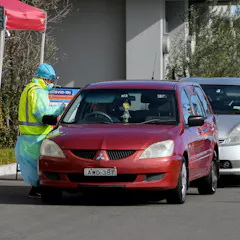
With COVID-19 spreading in Sydney’s southwest, can New South Wales avoid a return to lockdown and a similar scenario to Victoria’s second wave? The answer depends on whether there is community spread.
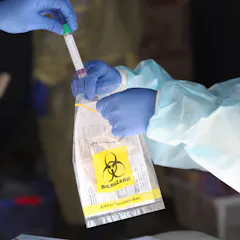
To control the COVID-19 pandemic through random testing would require about 6.5 million test a day. Using group testing and machine learning could get that number down to fewer than 40,000 day.
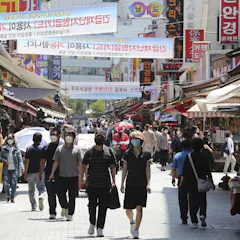
Effective national leadership and trust in government appear to be prerequisites for countries to achieve widespread digital contact tracing.
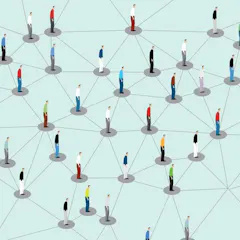
Contact tracers are among the many unsung heroes of our public health efforts to control the coronavirus, in Victoria and beyond. But they need help.
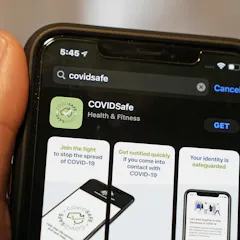
Despite disappointing download numbers and almost zero success in tracing COVID-19 infections, Australia is persisting with the COVIDSafe app, while the rest of the world embraces the ‘Gapple’ model.

A rapid launch of tracing and testing combined with localised lockdowns aims to keep the virus under control until a vaccine is found.
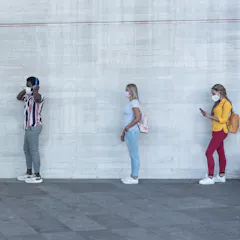
The reason the UK contact-tracing apps failed? It fell foul of privacy rules decided in California.
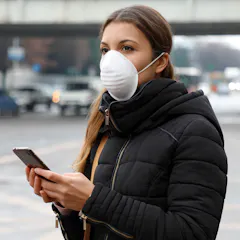
Police departments have suggested using contact tracing approaches to track protesters, raising concerns about data and privacy.
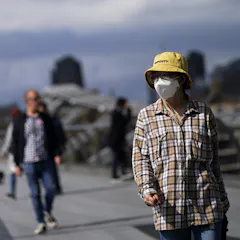
Contact tracing for sexual health has been taking place in England for many years. Why was this workforce ignored in the coronavirus response?
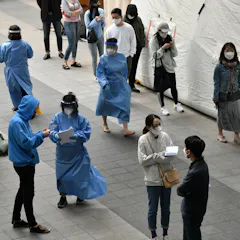
South Korea’s mass surveillance to curb the coronavirus pandemic uses technologies and techniques that are grounded in anti-LGBTQ discrimination.
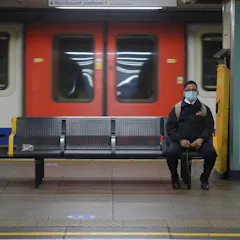
The UK locked down too late and has been in catch-up mode ever since. But with contact tracing, it can turn things around.
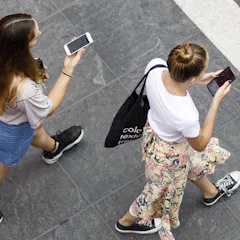
For contact tracing to be effective, the UK needs quick, accurate testing and lots of tracing capacity – and also for the public to be on board.
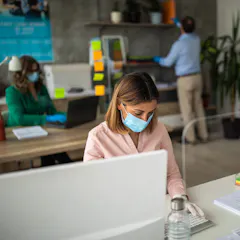
Smartphone apps and wearable devices can tell when workers have been within six feet of each other, promising to help curb the coronavirus. But they’re not all the same when it comes to privacy.
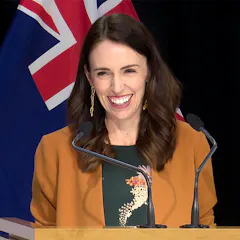
New Zealand has “eliminated” COVID-19 “for now”, Prime Minister Jacinda Ardern has declared. Two key epidemiologists who worked on NZ’s elimination strategy explain the news, and the challenges ahead.
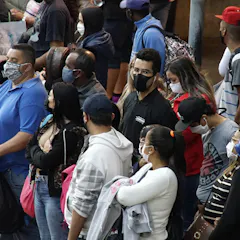
Epidemiological data suggests that 80% of COVID-19 cases can be traced to just 20% of those infected with SARS-CoV-2.
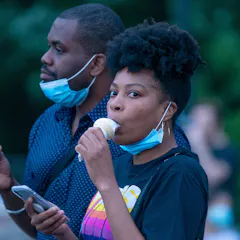
If coronavirus is still circulating, why are we safer now that social distancing measures have been relaxed? A public health expert explains.
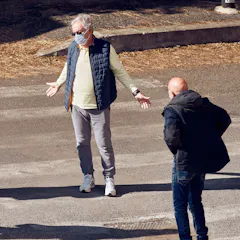
There’s now a 95% chance COVID-19 has been eliminated in NZ, according to our modelling. But as NZ prepares to remove limits on large gatherings, it increases the risk of a very large new outbreak.
Top contributors
-

Professor of Public Health, University of Otago
-
Professor of Global Biosecurity, NHMRC L3 Research Fellow, Head, Biosecurity Program, Kirby Institute, UNSW
-
Professor in Applied Mathematics, University of Canterbury
-
Professor of Public Health, University of Otago
-
Chair in Epidemiology, Deakin University
-
Associate Professor, Epidemiology, Deakin University
-
Adjunct professor, Te Herenga Waka — Victoria University of Wellington
-
Scientia Professor of Economics, UNSW
-
Research assistant, University of Auckland, Waipapa Taumata Rau
-
Associate professor, University of Canterbury
-
Research Associate Professor of Public Health, University of Otago
-
Associate Professor, Epidemiology and Environmental Health, University of Canterbury
-
Associate Professor, Computing & Information Systems; Director, Melbourne Data Analytics Platform, The University of Melbourne
-
Research scientist in mathematical modelling, Manaaki Whenua - Landcare Research
-
Research scientist, Manaaki Whenua - Landcare Research