
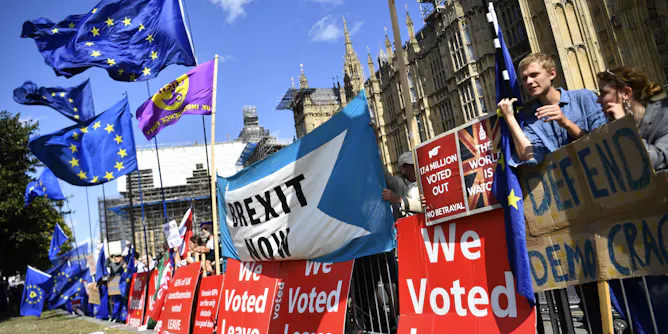
It’s time to break the deadlock with a referendum on no-deal Brexit or Theresa May’s withdrawal agreement.
Articles on Consumer price index (CPI)
Displaying 101 - 120 of 126 articles

A growing number of investors, policymakers and others say the US economy may be at risk of spiraling downward. A finance professor explains how to ride it out.

It’s why Marvel’s effort to break the worldwide box office record is doomed, as an economist explains.
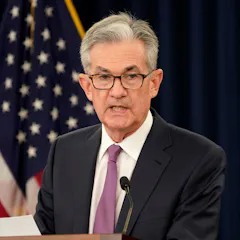
The Fed is in a tricky position as it signals it may soon cut interest rates to boost the economy, which also risks spurring runaway inflation and even an economic downturn.

Trump may find it harder to maintain support for his escalating tariffs on China if the US economy shows further signs of weakness.
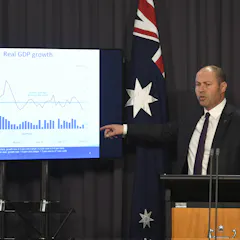
It it wasn’t for a surge in government spending economic growth would be extraordinarily weak. As it is, it’s the weakest since the global financial crisis.

Interest rate cuts don’t work like they used to, and they help us put off the hard things we need to do to improve our lives.

The Reserve Bank has adjusted rates in previous election campaigns, but it needs to have a very, very, good reason.
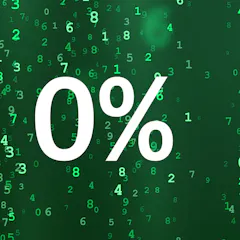
Inflation has barely been within the Governor Philip Lowe’s target band his entire time in office. Zero inflation means he should cut now, before the election.
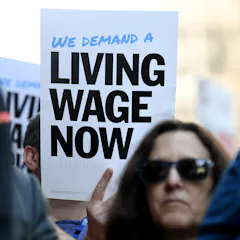
Granting low-wage workers a “living wage” instead of a minimum wage is far from costless, and there are much better ways of helping people genuinely in need.

Budgets will increasingly acknowledge that welfare is about us, rather than us versus them.

Numbers are largely viewed as holding the truth. But this is an unrealistic expectation.

The Reserve Bank’s inflation target seems out of date in a world of ultra low inflation. So why is Governor Lowe persisting with it?
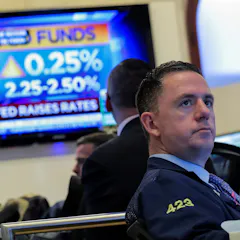
The Federal Reserve opted to lift interest rates in a snub to stock investors who have been bleeding red for more than two months.
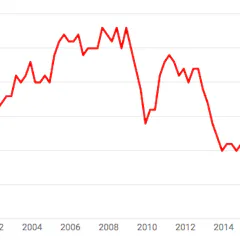
Wage growth has been at near depression levels for half a decade. It needs a push.
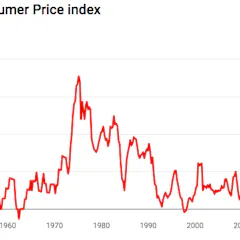
Hardly anyone believes that prices are really increasing by only 1.9% per year. The fault lies with us, and also the way the Bureau of Statistics adjusts prices for ‘quality’.
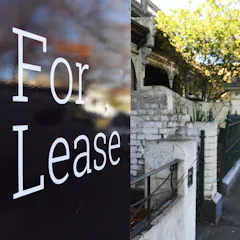
Property prices have soared in the past decade, but much more modest increases in rent, with the exception of Sydney, suggest less of an imbalance of supply and demand for housing as a place to live.
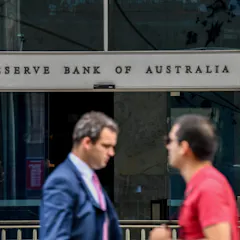
As with economic growth and wages, the RBA’s response seems to involve crossing as many fingers and toes as possible and publicly proclaiming that things are looking good.
Personal income taxpayers are shouldering more of the burden, while less revenue is coming from taxes on companies, capital and consumption. Only major reforms will change these sustained trends.

Business leaders some sectors are feeling less positive about the year ahead because consumers are spending less, according to our analysis of the outlook of leaders of Australia’s ASX 200 companies.
Top contributors
-

Senior lecturer, Canberra School of Government, University of Canberra
-
Visiting Fellow, Crawford School of Public Policy, Australian National University
-
Associate Professor, School of Economics, University of Sydney
-
Scientia Professor of Economics, UNSW
-
Lecturer in Economics, Monash University
-
Assistant Professor of Economics, Clark University
-
Professor of Economics, University of Nebraska Omaha
-
Professor of Finance, North Carolina State University
-
Professor of Finance and Fred T. Tattersall Excellence in Finance Research Chair, West Virginia University
-
Associate Professor of Business, Boston University
-
Associate Professor of Economics, Pace University
-
Professor of Economics, University of Canberra
-
Professorial Fellow, University of Canberra
-
Teaching Focused Lecturer in Econometrics, University of Manchester
-
Professor, Crawford School of Public Policy, Australian National University