

Magical realism is a theme that runs through the film and through some environmental storytelling research.
Articles on Climate storytelling
Displaying 1 - 20 of 96 articles

In 1590, a pamphlet was printed describing the life, trial and brutal execution of Peter Stumpp, a German man accused of being a werewolf.
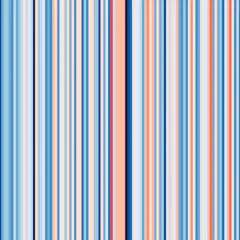
Data visualisation can change how people see, feel and relate to climate disasters.

What cicadas, shepherds and an ancient Greek monster reveal about our place in nature.
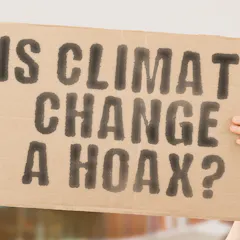
Disinformation is false, fabricated or manipulated information that intends to deceive. Here’s how to counter it with scientific evidence.
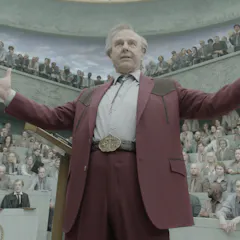
Digger’s hat is borrowed from Major ‘King’ Kong (Slim Pickens), a character in Stanley Kubrick’s film masterpiece.
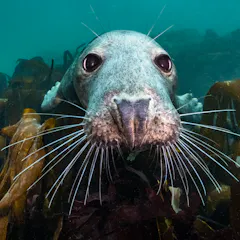
North Sea, Nature Untamed signals a shift in wildlife filmmaking.

We are not wired to deal with the complexity of climate change – but we can tune into relatable stories that emphasise common experiences and values.
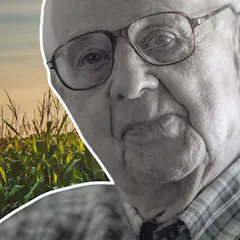
Every reader, farmers and non-farmers alike, can learn from his broader ethics of care, attention and negotiation with the natural world.

In poetry, speculation might help us make sense of what it means to live with an uncertain climate future.

There is something apocalyptic in this performance.

In poetry, speculation might help us make sense of what it means to live with an uncertain climate future.
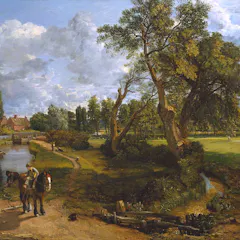
A country defined by verdancy and mildness is neither of those things as climate change makes England hotter.

One way to guard against misinformation is to empower people to identify climate doom in the first place.
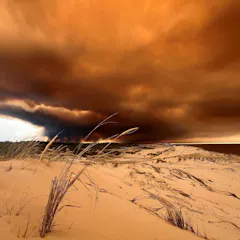
A wildfire can be explained by today’s barbecue, yesterday’s wind direction, a dry spring, four decades of land use change, or a century of emissions.

Creative works can represent emotions emerging so fast that our brains can’t quite catch up with them.

This new documentary series reveals how nature is fighting back against today’s extreme weather.

A new film about the climate emergency is designed to change behaviour. But there’s a risk that in-depth discussions replace action.
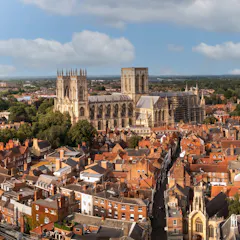
Researchers have transformed air quality data into maps, visualisations and exhibitions to connect people to the issues in tangible ways.

Artists are attempting to make the lives of forced migrants easier to relate to through the creation of video games.
Top contributors
-

Professor of Creative Pedagogies, Edinburgh Napier University
-
Professor of Sustainable Practice, University of Southampton
-
Professor of scriptwriting and playwright, University of East Anglia
-
Reader in English, City St George's, University of London
-
Reader in Applied Theatre and Puppetry, University of Portsmouth
-
Head of Department, Science and Technology Studies, UCL
-
Professor, English and the Institute for the Comparative Study of Literature, Art, and Culture; Academic Director, Re.Climate: Centre for Climate Communication and Public Engagement, Carleton University
-
Professor of Atmospheric Science, University of Leeds
-
Regius Professor of Meteorology and Climate Science, University of Reading
-
Reader in Cultural Theory in the School of Architecture and Visual Arts, University of East London
-
PhD Candidate in Irish literature, University of Limerick
-
Creative Lead, We Are the Possible programme, University of Exeter
-
Professor of Humanitarianism and Social Inclusion, UCL
-
Senior Fellow in Management Practice, University of Oxford
-
Teaching Associate, Faculty of English, University of Cambridge