
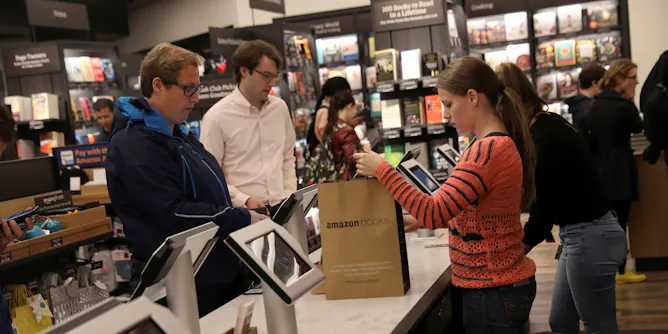
Urban retail space is being transformed yet again. Predictions of the demise of physical retailing in the face of online competition overlook its resilience over two centuries of disruptive innovations.
Articles on Cities & Policy
Displaying 361 - 380 of 837 articles

In Sydney, families with children now account for one in four households living in apartments. The expectations and design of apartments have not kept up with this rapid demographic change.
The future of Sydney is under constant scrutiny. But before we consider creating a ‘third city’ in Sydney’s west, we should ensure we get the current infrastructure up to international standards.

Human-operated cars affect health in three main ways, all negatively. How might driverless cars be healthier?
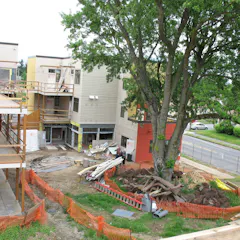
City residents all around the world are getting together to create housing tailored to their needs and budgets, instead of being developed for maximum profit.

The Flinders Street incident, in which a car was driven into pedestrians on a busy Melbourne street, underscores the need for new ways to design cities to protect pedestrians from vehicle attacks.
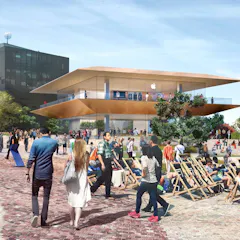
Apple’s interest in Federation Square, and in co-opting the idea of the public square in general, goes beyond the quest for profit.
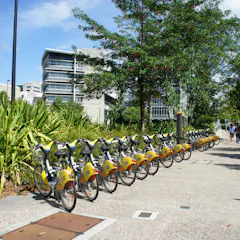
Many short-term bike-hiring programs have been launched amid much fanfare, only for their popularity to decline soon after. Several key factors need to be in place for a program to work.
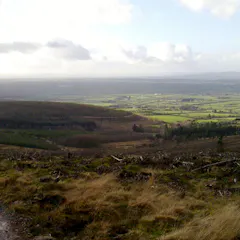
The big cities are still magnets for tourists, but often they find the smaller towns offer a more satisfying taste of local life. It’s why rural tourism can be ‘the perfect small town business idea’.
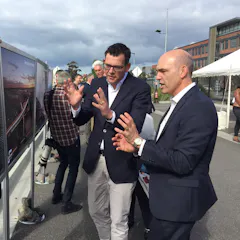
Recent decisions to proceed with major road projects have not considered viable alternatives, despite this being a legal requirement.

The benefits of walking are widely promoted, but most Australian communities still aren’t walker-friendly. Young people, who rely heavily on walking to get around, are clear about what has to change.
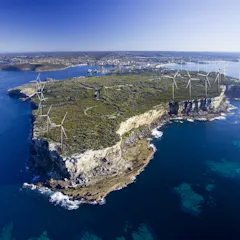
Sun, wind, waste biomass, geothermal, tides and waves: all these energy sources in Sydney’s backyard add up to a zero-carbon energy solution for the city.
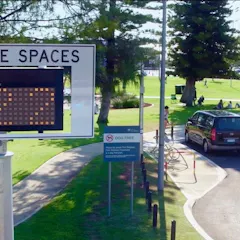
Public spaces have become more, not less, important to our experience of cities in the digital era. These technologies can be used to confound and enlarge our experiences of and connections to place.

Australian cities generally don’t allow pet dogs on public transport. Instead, owners need their own vehicle to travel with their dogs, and it’s a surprisingly important factor in our car dependency.
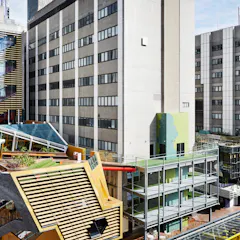
European ideas of the campus as a place apart shaped Australia’s “sandstone” universities. Now universities are adopting urban regeneration strategies, bringing the city to the campus and vice versa.

Australians can see the impact of dockless bike sharing on the streets of their cities. The huge store of data collected about user journeys is less visible, but just as important.
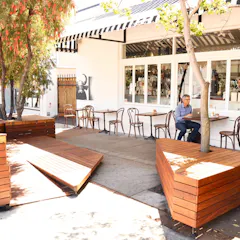
Many parklets are privately funded, but these projects often allow for more public participation than more traditional public spaces.

With an ever-increasing cost to extract dwindling raw materials, it’s time to look at cities as urban mines. We’re developing the tools to do that.
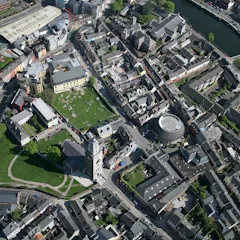
A suburb in the Irish city of Cork sets the standard for involving the community in heritage building conservation. Public engagement is the key to managing the inevitable conflicts.

Adaptively re-using buildings can preserve heritage while enabling new uses that help make cities more liveable and sustainable.
Top contributors
-

Transport and Cities Program Director, Grattan Institute
-
Head of Urbanism and Associate Professor of Urban Studies, School of Architecture, Design and Planning, University of Sydney
-
Emeritus Professor of Housing, UNSW
-
Senior Lecturer in Urban and Environmental Planning, Griffith University
-
Associate Professor in Urban Planning, The University of Queensland
-
Professor of Human Geography and Planning, University of Tasmania
-
Professor of Urban Policy and Director, Urban Futures Enabling Impact Platform, RMIT University
-
Honorary Professor of Planning, The University of Queensland
-
Associate Professor of Urban Planning, The University of Melbourne
-
Adjunct professor, School of Media and Communications, RMIT University
-
Senior Research Fellow, City Futures Research Centre, UNSW
-
Professor of Sustainability, Curtin University
-
Emeritus Professor, Urban Planning and Policy, University of Sydney
-
Housing Policy Researcher, Expert Advisor, Housing Assessment Resource Tools and Adjunct Professor, L’Université d’Ottawa/University of Ottawa
-
Professor of Housing Research, Adelaide University