

As the global population ages, the number of people suffering from vision loss is expected to increase.
Articles on Chronic diseases
Displaying 1 - 20 of 236 articles

Children and teens with chronic diseases and their caregivers need to be able to find, evaluate and use electronic health information.

One of the biggest dangers of diabetes is that people can live with high glucose levels for many years without any symptoms.

Our response to climate change must reflect the everyday health realities people face.

Here’s what to talk to your doctor about before traveling abroad.

Biokineticists can help identify NCD risk in rural communities, but gaps in referral pathways and public healthcare integration may limit access to follow-up care.

Nicotine products like pouches and patches are being promoted for cognitive enhancement, stress reduction, improved athletic performance and much more – with little scientific evidence.

Moving can change the conditions that shape health, so health and social policy must plan for a mobile population.

Creating a quieter environment can improve your health – but you have to know what you’re listening for.

Portugal’s remarkable public health strides after changing its approach to drugs may not be replicable in other countries absent broader systemic reforms.

Chronic lifestyle diseases place growing pressure on healthcare. Prevention strategies should go beyond consumer behaviour and address how food is produced.

These apps and software programs could provide access to lifesaving screening – if researchers can find a way to remove the baked-in bias.

You can build resilience that will work with the changing rhythms in your life.

Whether in Kenya or California, herders face dangerous temperatures and difficult conditions that put a strain on their health.
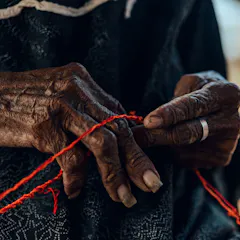
The challenge now is not simply helping people live longer, but ensuring they age well.
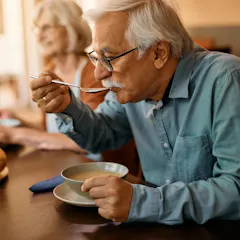
A study of nearly 3,000 older swedes found long gaps between meals may speed up chronic disease – especially for those over 78.

A new FDA survey finds some positive trends among young people in the US, though new forms of nicotine use like pouches have become a bit more popular.

Most lightning strike survivors have no visible scars, but their invisible injuries often go untreated.

Research has moved past the question of whether we can live longer. The new question is whether we’re willing to invest — seriously, equitably and early — in the things that will help us live better.

The typical alcoholic beverage disclosed only a single piece of nutritional information: its alcohol content.
Top contributors
-

Program Director, Health and Aged Care, Grattan Institute
-
Professor, Health Policy, Victoria University
-
Honorary Enterprise Professor, School of Population and Global Health, and Department of General Practice and Primary Care, The University of Melbourne
-
Professor of Public Health Policy, Deakin University
-
Health Policy Lead, Mitchell Institute, Victoria University
-
Professor of Health Promotion, Dalhousie University
-
Professor of Public Health, The University of Melbourne
-
Professor, School of Health Sciences, University of Newcastle
-
Associate lecturer, Nutritional Biochemistry, University of Hertfordshire
-
Postdoctoral research fellow, Deakin University
-
Conjoint Clinical Associate Professor, Deakin University School of Medicine and Specialist Pain Medicine Physician, Deakin University
-
Professor of Medicine, The University of Melbourne
-
Cardiologist at Westmead Hospital; Director of the Westmead Applied Research Centre, University of Sydney
-
Executive Director, George Institute Australia; Professor of Medicine, UNSW
-
Associate Professor, Epidemiology, Deakin University