

The COVID-19 pandemic and a growing global refugee crisis have shone a light on the ever-increasing need for new approaches to mental health treatment.
Articles on Children's mental health
Displaying 41 - 60 of 99 articles
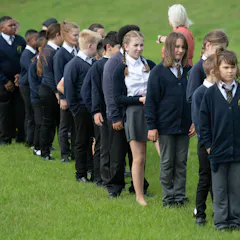
COVID has made the usual jitters about returning to school that much more intense. Parents can support their children by listening carefully and prioritising healthy habits
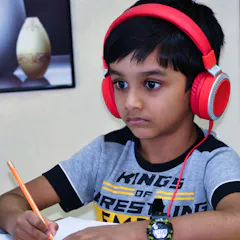
Amid uncertainties about what the pandemic will look like this fall, experts answer questions about risks of infection in unvaccinated children and the risks of missing in-person school.
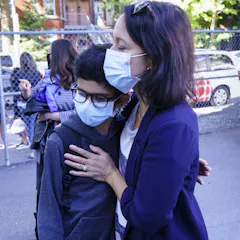
A successful transition in September is a whole-family affair.
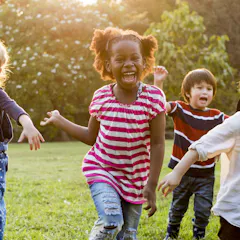
Communicating clearly with children and providing space for them to play will be vital during back-to-school and beyond as children manage stressors associated with COVID-19.
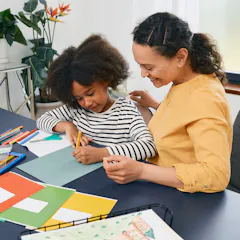
Not every child with mental health difficulties has a diagnosis. An approach that focuses on symptoms rather than diagnostic labels can help support children who could benefit from treatment.
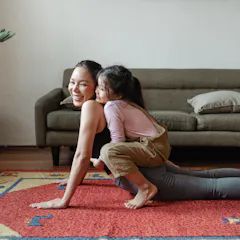
The mental health crisis occurring in tandem with COVID-19 has stressed resources and stretched service waitlists into years. There is an urgent need for prevention strategies, not just treatment.
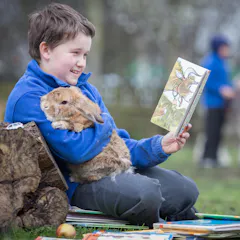
From rabbits to maggots, school pets are common but we need to think of them as partners, not resources
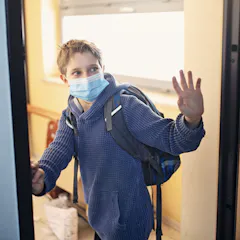
After more than a year of isolation and empty schedules, some kids might be apprehensive or anxious about interacting with the outside world. Psychology experts provide tips to ease the transition.

The pandemic has seen more children experience mental health troubles. Modelling compassion and fostering self-esteem will help

Summer programmes should focus on physical activity, socialising, and being creative – not school work.

Parents can take a page from psychological research on trauma and recovery to help kids struggling with pandemic life.

We asked young people aged five to 15 in Darwin about their sense of safety and what they worry about in their community. Here’s what they told us.

Art can be a way to promote and support mental health in children, and understanding children’s experiences through the pandemic as seen through children’s art may help support them into the future.

Anxiety about starting school is common – among both children and parents. This can be for many reasons, but it’s useful to keep in mind exposure to our fears helps reduce anxiety.

Our report examines Australia’s educational performance against equity and excellence benchmarks. It finds the inequality gap is large and growing.

Children struggle amidst adversity, but these tumultuous and highly emotional times make it a critical time to teach ‘resilience’ – giving kids coping skills.
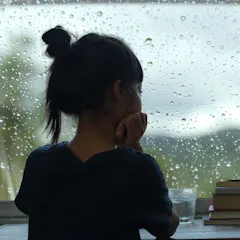
Some children are not socially engaging with their peers in the way they did before the pandemic. It’s understandable if parents are worried.

A concerning number of children in Australia have experienced trauma. Being more sensitive to what this means can help both the child and the teacher.

Getting students to move while learning a concept helps them understand it better. And it gets them off their seats.
Top contributors
-

Associate Professor, School of Psychology, Deakin University
-
Associate Professor in Psychology, Deakin University
-
Tier 1 Canada Research Chair in School-Based Mental Health and Violence Prevention, L’Université d’Ottawa/University of Ottawa
-
Director, Center for Community Child Health Royal Children's Hospital; Professor, Department of Paediatrics, University of Melbourne; Theme Director Population Health, Murdoch Children's Research Institute
-
Associate professor, RMIT University
-
Associate Professor, School of Psychology, Scientist, Children's Hospital of Eastern Ontario Research Institute, L’Université d’Ottawa/University of Ottawa
-
Deputy Lead of Education Policy, Mitchell Institute, Victoria University
-
Senior lecturer, Monash University
-
Lecturer in Arts Education, Western Sydney University
-
Associate Professor of Sociology, Western University
-
Instructor, Division of Academic General Pediatrics, Mary Ann & J. Milburn Smith Child Health Research Program; Ann & Robert H. Lurie Children's Hospital of Chicago; Department of Pediatrics, Northwestern University Feinberg School of Medicine, Northwestern University
-
Associate Professor of Education, Charles Sturt University
-
Senior Lecturer in Education, School of Education,, Swansea University
-
PhD student, School and Applied Child Psychology, Western University
-
Senior Research Fellow, University of Hertfordshire