

The American Cancer Society has found that the benefits of the PSA blood test outweigh its harms. Black men and those with a family history of prostate cancer may especially benefit from screening.
Articles on Cancer screening
Displaying 1 - 20 of 79 articles

A physician who devises screening guidelines for the American Cancer Society explains the pros and cons of the Galleri multicancer early detection test.

While lung cancer rates have decreased by 43% in men, they have risen by 79% in women. Broader screening guidelines and recognizing early symptoms can help address the changing face of lung cancer.

Here’s who’s eligible and what to consider before deciding.

PSA testing hasn’t been banned – but the row over prostate cancer screening reveals a genuine scientific and ethical dilemma.
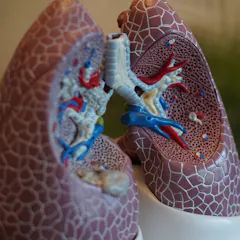
Lung cancer screening promises to find cancer early and treat it before it progresses. But a year on, issues have emerged.

When celebrities go public with their prostate cancer diagnoses, they do more than raise awareness.

The American Cancer Society updated its colorectal cancer screening guidelines to reflect advances in technology and increase access to screening.

A large new study finds unmarried adults face significantly higher cancer rates, but the real story is about what marriage represents, not what it does.

Ultrasound is often used in breast cancer screening, but it can often provide inconclusive results. Combining it with near-infrared light can help patients avoid the anxiety and cost of a biopsy.

Bowel cancer is uncommon in those aged under 50, but rates are rising. Here’s how you can reduce your risk.

Colon cancer symptoms can be subtle. While lifestyle changes can help reduce your risk, open communication with your family and doctor is essential.

More women are learning about their breast density when they receive their mammogram results. But what happens next?
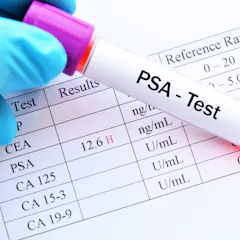
Expert panel recommends targeted prostate cancer screening only for men with specific gene mutations.

Early trial results for a multi-cancer blood test have sparked excitement, but the technology still fails to detect three in every five cases.

Australia’s new lung cancer screen program further disadvantages Aboriginal and Torres Strait Islander peoples, who are already at increased risk of lung cancer.
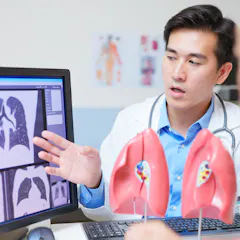
The new lung cancer screening program needs to be independently evaluated to keep it on track, and to minimise the harms.

The aim is to find and treat lung cancers early, before they grow and spread, to improve the chance of survival. Here’s what’s involved.

People with disability are more likely to die from cancer than the overall population. Here’s how we can shift this striking inequity.

Tina Knowles’ breast cancer diagnosis highlights a critical issue: many early-stage cancers are only caught through routine screenings.
Top contributors
-

Professor of Clinical Epidemiology, Sydney School of Public Health, University of Sydney
-
Professor of Public Health, University of Sydney
-
NHMRC Emerging Leader Research Fellow, School of Public Health, University of Sydney
-
Lead, Cancer Elimination Collaboration (CEC) and Professor of Public Health, University of Sydney
-
Professor of Biomedical Sciences, Anglia Ruskin University
-
Professor of Medicine, Bond University
-
Emeritus Professor in Public Health, University of Sydney
-
Associate Director of Community Outreach in Thoracic Oncology, University of Miami
-
Professor of General Practice, Bond University
-
Professor Emeritus of Medicine, University of Virginia
-
Principal Research Fellow, The Daffodil Centre, a joint venture with Cancer Council NSW, University of Sydney
-
Associate Professor of Health Law, Policy and Management, Boston University
-
Brett Montgomery is a Friend of The Conversation.
Senior Lecturer in General Practice, The University of Western Australia
-
Director of the Colorado Cancer Screening Program, University of Colorado Anschutz
-
Professor of Clinical Epidemiology, Bond University