

Lethal injections are not typically administered by doctors, given executions are incompatible with their oath to protect lives.
Articles on Bioethics
Displaying 1 - 20 of 137 articles

In vitro fertilization has become a bigger part of reproductive rights debates as a once-fringe movement to recognize embryos as people grows louder.

Punishment for a crime shouldn’t extend to denying women’s fertility when they’re released from prison. Here’s why.
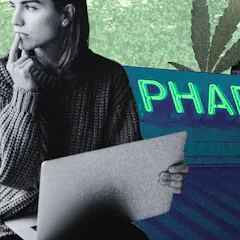
We asked 5 experts if clinics should be allowed to prescribe medicinal cannabis if they have financial links to the supplier or dispenser. Here’s what they said.
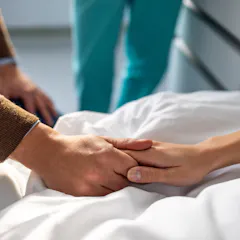
Karen Ann Quinlan fell into a coma in 1975. The high-profile legal case over her parents’ wish to remove her ventilator shapes American patients’ rights today.
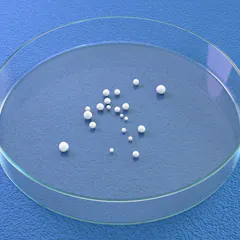
Brain organoids are revolutionising research, but their growing complexity raises unsettling ethical questions.
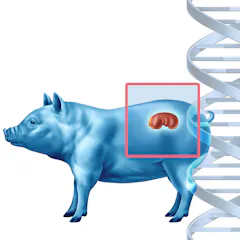
How many human cells does a pig need before it’s considered too human?
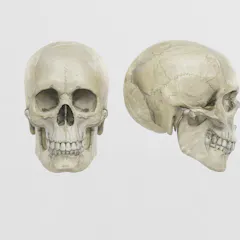
The uneasy afterlife of human remains.

Vladimir Putin and Xi Jinping were recently caught discussing whether organ transplants could help a person live forever. The idea has scientific and ethical flaws.
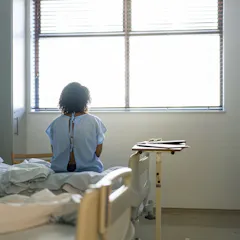
Health-care professionals aren’t pacifists refusing conscription into the military. They freely choose health-care careers – that comes with obligations.
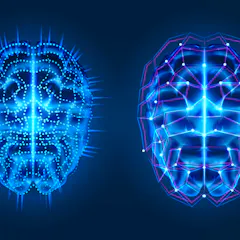
UNESCO’s approach to regulating neurotechnology considers future applications and current privacy and consent concerns.
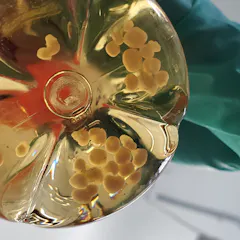
There are several steps between research on seemingly esoteric subjects and breakthrough medical treatments. Ethical oversight at every stage ensures science and society ultimately benefit.
If you were a 23andMe customer, your genetic and personal information could be used in civil or criminal cases, targeted advertising, medical discrimination and so much more.
Patients and families need to know how these extraordinary treatments might change how they feel about themselves and the world.
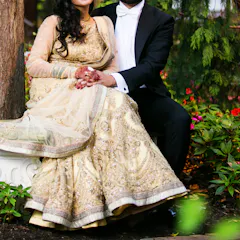
Norway has banned first-cousin marriages, but an ethicist explains why the UK shouldn’t follow suit.
South Africa’s recently updated research ethics guidelines provide guidance on oversight into heritable human genome editing, and they should not be interpreted as a green light.

In the absence of clear-cut regulation, who should decide on where and how a technology that could change the course of human health should be applied?
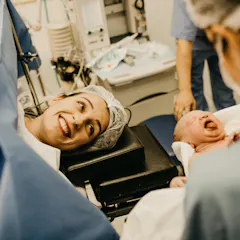
Mitochondrial disease is an inherited condition with a poor prognosis. But a technique using a donated egg can stop this fault passing on to babies.
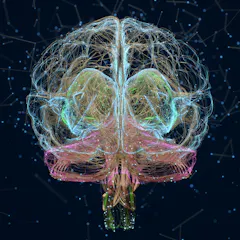
Brain-computer interface devices have the potential to boost users’ autonomy, especially for people who experience paralysis. But that comes with risks, as well.

The technology may be here sooner than we think. But we have so much to discuss first.
Top contributors
-

Chen Su Lan Centennial Professor in Medical Ethics, National University of Singapore; Distinguished Visiting Professor in Law, University of Melbourne; Uehiro Chair in Practical Ethics, The University of Melbourne
-
Professor of Bioethics and Humanities, School of Medicine, University of Washington
-
Lecturer in Bioethics, Monash University; The University of Melbourne
-
Distinguished Research Professor, Emerita, Dalhousie University
-
Associate Professor of Pediatrics, University of Cincinnati
-
Professor of Bioethics & Medicine, Sydney Health Ethics, Haematologist/BMT Physician, Royal North Shore Hospital and Director, Praxis Australia, University of Sydney
-
Assistant Professor in Biomedical Ethics, National University of Singapore
-
Professor of Medicine, Monash University
-
Lecturer in Philosophy, Fenner School of Environment and Society, Australian National University
-
Senior Research Fellow, Uehiro Centre for Practical Ethics, University of Oxford
-
Vanier Scholar and Ph.D. Candidate in Microbiology and Immunology, Dalhousie University
-
Research Fellow in Biomedical Ethics, The University of Melbourne
-
Honorary Professor Faculty of Health and Medical Science, Univeristy of Sydney; Senior Researcher Sydney Institue for Infectious Disease, University of Sydney., University of Sydney
-
Associate Professor of Health Care Ethics, Saint Louis University
-
Professor, Medical Ethics, Bond University