
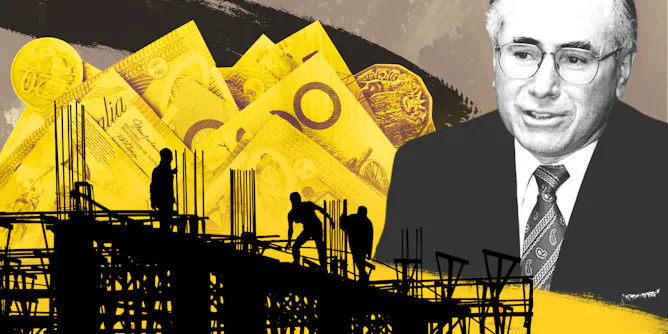
Over the years, WorkChoices has become shorthand for policy disaster. It forever changed the political landscape on industrial relations reform.
Articles on Australian Council of Trade Unions
Displaying all articles
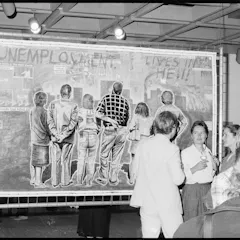
Four decades ago, amid a cost-of-living crisis, rising unemployment and stagnant wages, a unique partnership between artists and trade unions thrived.
There is effectively a class of Australian workers who don’t get holiday and sick pay, no matter how long or regularly they work, simply because their employer deemed them “casual” when they began.
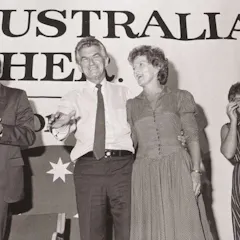
Though times are very different now, there’s a strong case for the Albanese government to resurrect the Accord process of the Hawke-Keating era.
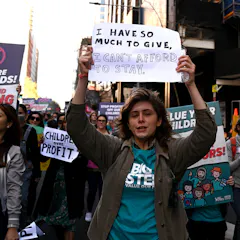
Australia’s protection, even celebration, of ‘free riders’ in industrial relations is driving union membership down to US levels.
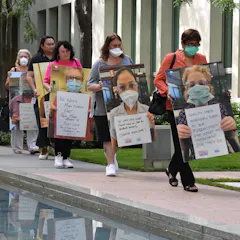
The trade union movement’s proposal to allow ‘multi-employer’ collective bargaining has won crucial support from small business advocates.
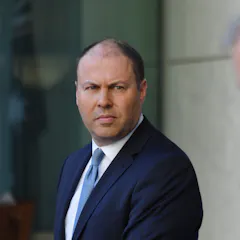
A hike in the minimum wage could jeopardise Australia’s post-COVID recovery, says the Morrison government. That’s an outdated economic idea.
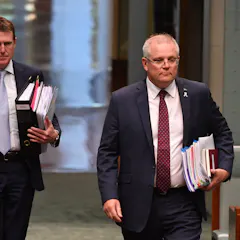
Scott Morrison may have realised his real power is not as an advocate but a broker.
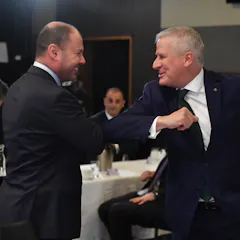
Scott Morrison’s call for a new deal in industrial relations has been compared to the accords of the Hawke and Keating Labor years. It isn’t the same.

Even with the most favourable laws, unions will still need to confront the reality of a dramatic transformation in the world of work.
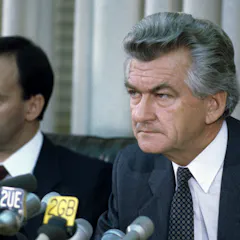
The Prices and Incomes Accord was a series of agreements between Labor and the ACTU where unions would moderate their wage demands in exchange for improvements in the ‘social wage’.
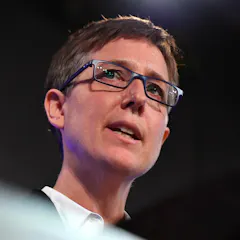
In a speech to the National Press Club in Canberra, ACTU Secretary Sally McManus said 679 of Australia’s biggest corporations pay “not one cent of tax”. Is that right?
Top contributors
-
Distinguished Professor of Workplace Law, RMIT University
-

Economist and Director, Centre for Future Work, Australia Institute; Honorary Professor of Political Economy, University of Sydney
-
Associate Professor in History, Deakin University
-
Scientia Professor of Economics, UNSW
-
Professor in Working Life, Discipline of Business Information Systems, University of Sydney Business School, University of Sydney
-
Industry Professor and Chief Economist, University of Technology Sydney
-
Academic in Theatre and Performance Studies, University of Sydney
-
Dean of Business School, University of Southern Queensland
-
Postdoctoral research fellow, Flinders University; University of Canberra
-
Associate Professor, University of Sydney