
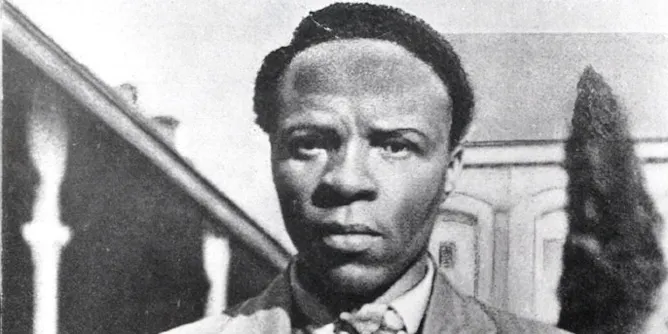
Plaatje’s friends called him a ‘walking library’ because he read extensively and engaged with a wide set of ideas to help form his worldview.
Articles on African media
Displaying all articles
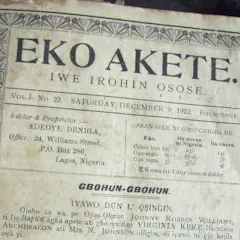
English was imposed as Nigeria’s official language, but the British had no way of controlling what people did with it.
The medium’s power to shape public opinion and promote social cohesion remains significant.
The most prominent news creators on social media and video networks are men and YouTube is the most important platform for them.

The end of colonisation did not dismantle the BBC’s operation – the style was already embedded in the broadcasting system.

A new book explores how media outlets are controlled by powerful forces, from governments to corporations, in Africa and Latin America.
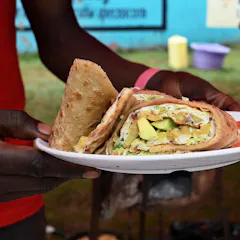
Famous around the world, rolex is a symbol of national pride. It has multicultural roots, creates employment and reflects deeper issues in society.
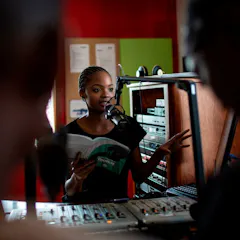
With a dramatic political history, radio is today the number one source of news in Africa.

There’s a new wave of indigenous language podcasts that could attract big new audiences.
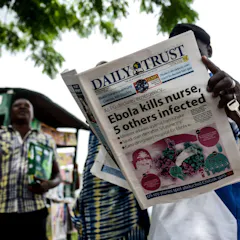
African media also emphasise the west as superior and Africa as inferior.
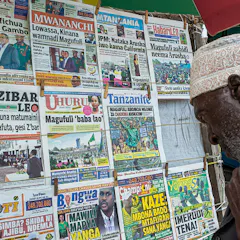
Today’s journalism students are less likely to find full-time jobs as professional journalists. The craft has become ‘post-industrial’, entrepreneurial and atypical.
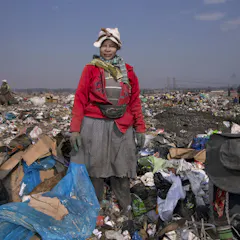
From oil disasters in Mauritius to street artists in South Africa, the story of rubbish in the media helps shape popular culture and environmental change.
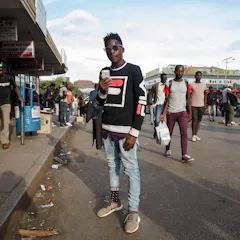
Apps like WhatsApp have connected more voices to participate in live talk radio - but this comes with new challenges.
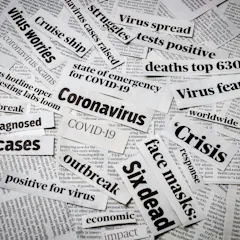
The media is regurgitating an international narrative that may not be fit for localised purpose.
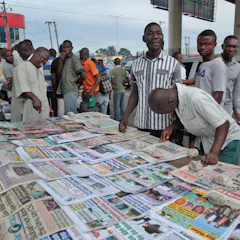
Western aid has resulted in an Anglo-American culture of journalism education which has proved impractical to implement in African countries with illiberal political regimes.
African newsrooms are using media analytics to study their audiences but there’s a downside.
Top contributors
-

Associate professor, University of the Western Cape
-
Lecturer in Journalism, University of Namibia
-
Professor in the Department of Communication Studies, University of Ghana
-
Senior Lecturer in Media and Communication, University of Mauritius
-
Professor of Global Communication, University of Leeds
-
Professor in Media Studies, University of the Witwatersrand
-
Professor of Media Industries, University of Nottingham
-
Professor and Chair, Department of Journalism, Stellenbosch University
-
Associate Professor of History, Indiana University
-
Senior Lecturer of Journalism and Media Technology, Namibia University of Science and Technology
-
Associate Professor in Language and Communication Studies, University of Media, Arts and Communication, Ghana Institute of Journalism
-
Associate Professor, Department of Journalism, Film and Television, and Vice Dean Faculty of Humanities, University of Johannesburg
-
Senior lecturer in Philosophy and Media Studies, University of Nairobi
-
Associate researcher, University of the Witwatersrand
-
Senior Lecturer, Department of Journalism and Communication, Makerere University