
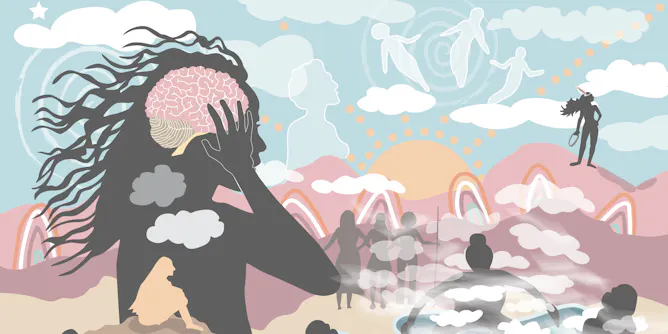
First Nations women are more likely than non-Indigenous women to experience traumatic brain injury from domestic violence. But they don’t always access health care.
Articles on Aboriginal women
Displaying 1 - 20 of 21 articles
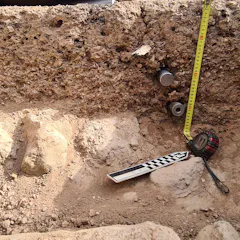
Our research at the site – which was traditionally restricted to women – has also uncovered tools previously only associated with male crafters.

Indigenous people have long spoken about coercive practices of officials and experts around birth control, as late as the 1960s. Now historians are finding evidence in the government’s own records.

Some First Nations women who sustain head injuries from family violence don’t access health care and support. We studied why and found one reason is a fear their children will be taken away.
New research has investigated the way police respond to intimate partner violence against First Nations women.
There are a lot of similarities in Jewish and Indigenous experiences and values, but there are just as many differences.

This year’s Commonwealth games boasted a record number of First Nations athletes, a lot of them women. While positive, the history of the Games and potential for burn-out for athletes is very real.
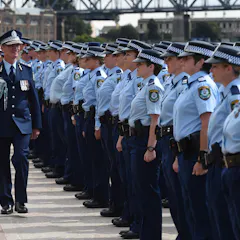
Establishing specialist women’s police stations has been suggested as a solution to violence against women in Australia. However research does not cover racial and gender inclusion in this policing.
Prominent cases continue to draw attention to the wrongful imprisonment of First Nations women.
After recent findings that Aboriginal women detainees are strip searched at higher rates than non-Indigenous women, it’s clear that Australia needs to address racial discrimination in justice systems.
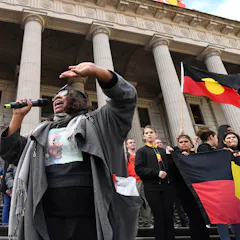
A documentary series aimed to spark national conversation about criminalising coercive control. However, it highlighted power imbalances in conversations between Indigenous and non-Indigenous women.
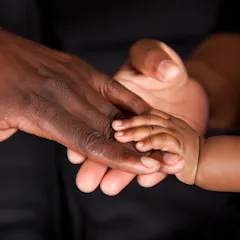
Aboriginal mothers in prison feel intergenerational trauma and the forced removal of their children are the most significant factors impacting their health and well-being.
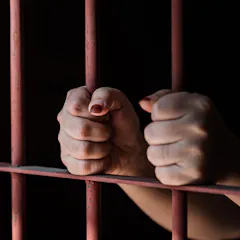
A new study in Queensland shows that Aboriginal and Torres Strait Islanders are far more likely to be targeted by domestic violence protection orders than the general population.
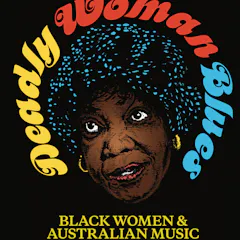
Clinton Walker’s Deadly Woman Blues was a missed opportunity and a lesson in how not to tell other people’s stories.

Aboriginal women are at the heart of two events at the Sydney Festival, which grapple with the impact of colonisation on their lives.
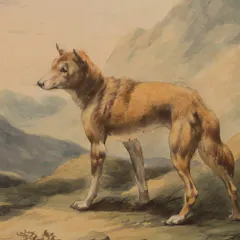
In Indigenous culture, dingoes were prized as companions, garments and hunting aids. Europeans later tried to tame dingoes as ‘pets’ but their wild nature has prevailed.

Noel Pearson has accused the ABC of racism in dwelling on indigenous alienation. But many advances in the status of Aboriginal Australians have been prompted by revealing ill-treatment, which is why Ms Dhu’s family want footage of her last hours made public.
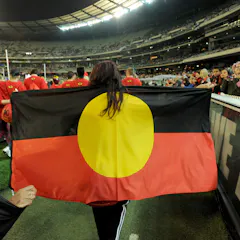
Violence against women is a national priority, and Aboriginal women are disproportionately affected. This must be reported on appropriately in the media.

Chair of the Prime Minister’s Indigenous Advisory Council, Warren Mundine, told Q&A that $30 billion is spent every year on 500,000 Indigenous people in Australia. Is that right?
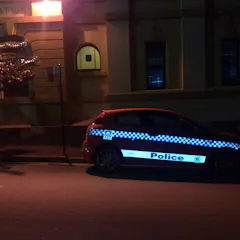
Police have become the default frontline response to Aboriginal people with mental and cognitive disabilities, setting this group up for a lifetime of ‘management’ by the criminal justice system.
Top contributors
-

Professor Emerita of Criminology, UNSW
-
ARC DECRA Fellow, Institute for Culture and Society, Western Sydney University
-
Associate Professor, UNSW
-
PhD Candidate in Social Work and Criminology, UNSW
-
Senior Project Advisor, Carumba Institute, Queensland University of Technology
-
Associate Professor in Criminology, The University of Queensland
-
Professor of Indigenous Health, Executive Director, Carumba Institute, Queensland University of Technology
-
Research Assistant, The University of Western Australia
-
Professor of Economics and Public Policy, ANU College of Arts and Social Sciences, Australian National University
-
Foundation Chair in Australian Indigenous Studies, The University of Melbourne
-
Professor, Australian and Aboriginal History, Faculty of Arts, Design and Architecture, Convenor: Indigenous Land & Justice Research Group, UNSW
-
Indigenist Health Humanities Academic Director, Queensland University of Technology
-
Professor of Indigenous Research, University of Newcastle
-
Executive Director, The University of Melbourne
-
Professor of Law and Deputy Director of the Centre of Excellence for the Elimination of Violence Against Women (CEVAW), The University of Melbourne