
PODCAST: Part six of The Anthill Podcast’s Recovery series looks at the 2008 financial crisis and Great Recession that followed.
Articles on 2007-08 financial crisis
Displaying 21 - 40 of 80 articles

Seven of the past 10 business bailouts since 1969 have either broke even, or more frequently, ended up making a tidy profit for taxpayers.

Had an international pandemic struck 20 years ago, it could have been so much worse.
Beijing might have been ultra-tough on the pandemic, but it has been horizontal in response to the economic shock.
Governments can staunch the current economic collapse without returning to the status quo.

A universal basic income could provide financially precarious people with the money they need. And it would keep money flowing through the financial system.
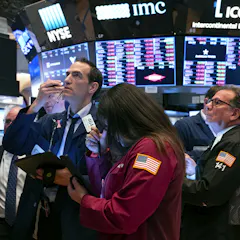
The Fed slashed interest rates to near zero but, just as in 2008, it will require unprecedented action to calm panicky markets.
The days of using interest rates to keep the wheels on are at an end.

On October 23 Google announced that it built a quantum computer thousands of times faster than classic computers. This could have immense impacts on finance, cryptography and other fields.
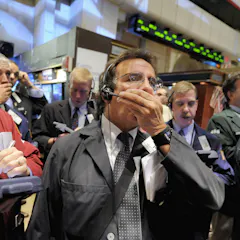
The Fed cut rates for the third time in as many months – something practically unheard of in a strong economy.
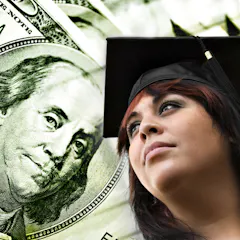
Student loan defaults have risen sharply, and the number-one reason is deceptive and misleading practices by for-profit institutions.
Standard & Poor’s, Moody’s, and other ratings agencies have a long and storied history, but today they face significant criticism and the future of ratings themselves are under challenge.

New research reveals how austerity pushed poor families into debt to pay for basic needs like food, rent and hot water.

The climate issue cannot be considered less urgent than the social or economic crisis.

It’s been a decade since the worst financial crisis since the Great Depression, and blacks still haven’t fully recovered financially, leaving them unprepared if another recession hits.
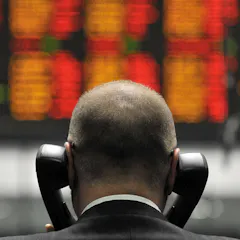
Private finance crashed the economy and is too consumed by the profit motive to be a reliable ally against climate change. We should not allow COP24 to be their board meeting.
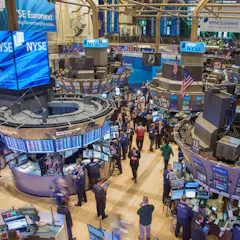
Nothing has changed since the 2008 financial crisis. Orthodox theory continues to structure the entire financial industry, yet there is an urgent need to study the social and political nature of markets.
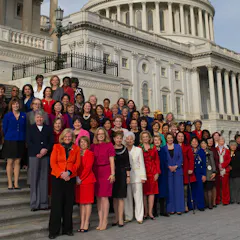
After a year of headlines and ousted CEOs, Congress has yet to pass a single piece of legislation on sexual harassment – let alone hold a hearing. That may change as lawmakers get to work in 2019.

Ensuring no industry becomes too big to fail can be achieved by changing the way companies are run. The aim is to develop a sustainable model for corporations.
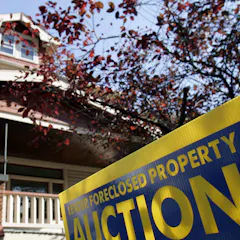
Right-wing populists have exploited key weaknesses in liberal democratic society that were exacerbated by the failure of political leaders to respond effectively to the 2008 financial crisis.
Top contributors
-

Head of Department of Economics, Finance & Accounting, Brunel University of London
-
Reader in Economics and Finance, University of Portsmouth
-
Professor of Law, St. Mary's University
-
Professor of Finance and Fred T. Tattersall Excellence in Finance Research Chair, West Virginia University
-
Professor of Law, University of Oregon
-
Professor of Finance, Washington University in St. Louis
-
Professor of Political Science, INSEAD
-
Associate Professor of Public Administration, West Virginia University
-
Professor, Université de Lorraine
-
Assistant Professor of Finance, New York University
-
Professor of Geography, Durham University
-
Économiste à l’Observatoire français des conjonctures économiques (OFCE), Sciences Po
-
Professor of Agricultural and Resource Economics, La Trobe University
-
Associate professor, University of Surrey
-
Professor of Agricultural and Regional Economics, Penn State