
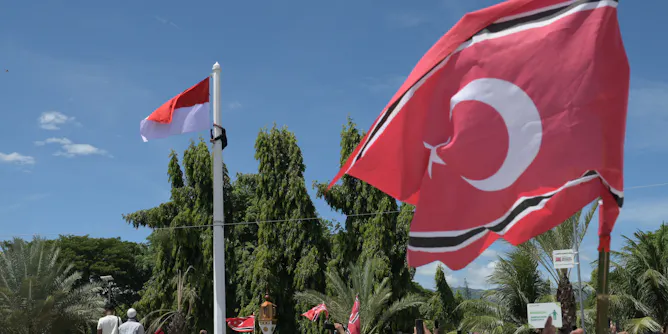
A decades-long insurgency in the Indonesian province ended after 2004’s devastating tsunami. But pro-independence talk is on the rise again.
Articles on 20 years of rebuilding Aceh
Displaying all articles
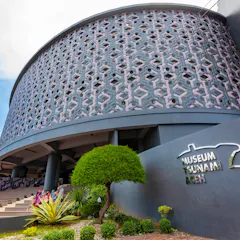
Building monuments is one way to preserve the memory of the disaster. However, many survivors feel less connected to the monuments because they do not evoke their personal memories of the tsunami.

Acehnese women have contributed to post-conflict and tsunami development. However, existing policies have not covered what they need, and even tend to discriminate against them.

Technology and globalisation help diversify the channels for the smong narrative but also risk eroding this local wisdom – if we do not try to preserve it.

Two decades of post-disaster and conflict learning should be enough to remind us of the importance of meaningful access and participation for Acehnese women. The facts are yet to reflect this.
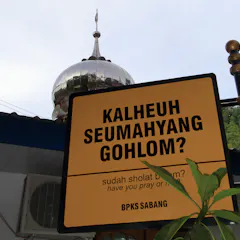
The enactment of the Aceh Language Qanun raises an important question: Does language play a role in building peace in post-conflict areas?
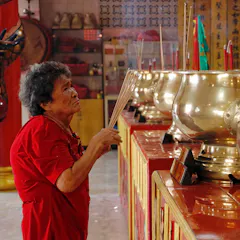
From armed conflict to the devastating 2004 tsunami, Aceh Chinese’s existence is almost forgotten despite having settled in the province for centuries.
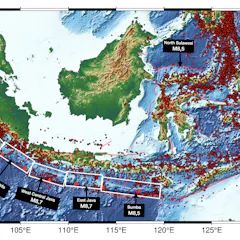
The 2004 Aceh Earthquake and Tsunami was one of the biggest natural disasters in history. This tragedy provided important lessons for improving disaster risk mitigation.
Top contributors
-

Dosen Program Studi Ilmu Komunikasi, Universitas Islam Indonesia (UII) Yogyakarta
-
PhD Candidate, Lund University
-
Peneliti di Tsunami and Disaster Mitigation Research Center (TDMRC) dan Pusat Riset Ilmu Sosial dan Budaya (PRISB) Universitas Syiah Kuala, Universitas Syiah Kuala
-
Senior Lecturer and Director of the Research Center for Social and Cultural Studies (PRISB) at Universitas Syiah Kuala, Indonesia, and a researcher at the Tsunami and Disaster Mitigation Research Center (TDMRC), Universitas Syiah Kuala
-
Chair professor, Universitas Islam Negeri Ar-Raniry
-
Lecturer in Political Science, Universitas Islam Negeri Ar-Raniry
-
Dosen Fakultas Teknik / Kepala Pusat Riset Perubahan Iklim USK, Universitas Syiah Kuala
-
Associate Professor, Global Geophysics Research Group, Institut Teknologi Bandung
-
Ph.D. candidate in Political Science, University of Illinois Urbana-Champaign; Universitas Gadjah Mada