

The financial institutions fronting the Financial Services Royal Commission are also the ones controlling mortgages, so will an expose of their dealings push property prices down?
- John Curtin Distinguished Professor, Curtin University

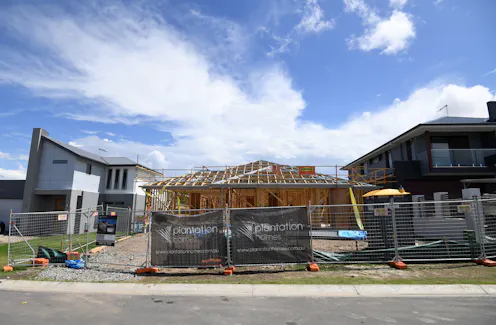
The clichés about housing supply and regulatory restraints are distractions from the need to focus on expanding the affordable housing sector to directly meet the needs of low-income households.

New modelling shows negative gearing and capital gains taxes can be reformed in a way that doesn’t impact poorer investors.

Increasingly insecure pathways to home ownership are not just a problem for property markets. The fallout is likely to hit retirement incomes, the welfare base, gender equity and the broader economy.

Households in NSW spend the most and WA households the least in Australia, but there are segments of WA who are feeling the bite more acutely in cost of living.
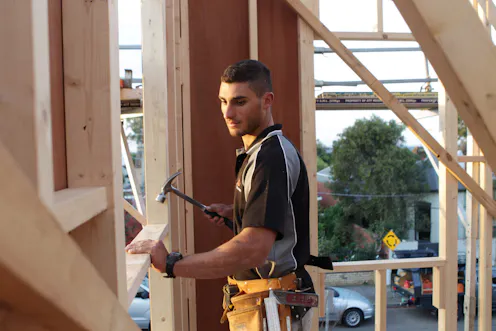
Between 1982 and 2013, the share of home owners among 25-34 year olds shrunk, by more than 20%. On the other hand, the share of home owners among those aged 65+ years has risen slightly.
Research finds higher levels of housing debt among pre-retirees are linked to them working for longer.

On top of a gender wealth gap, Australian women have less diversified investment portfolios than men. This leads to bigger risks and reduced resources in retirement.
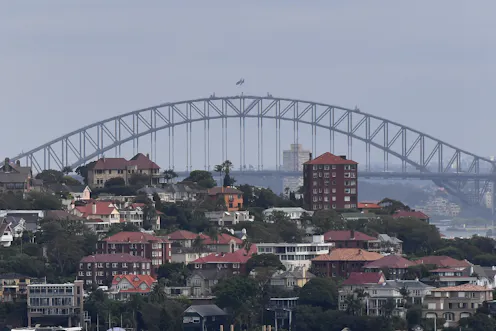
Data on housing supply in Australia’s capital shows that while it’s increasing in areas with lots of jobs, house prices are too high for those who might want to move for work.

The budget acknowledges the crisis of affordability for first home buyers, but fails to do enough about demand pressures on prices to put home ownership back within their reach.

Housing has become integral to our welfare system, so even governments can’t afford for prices to decline.

Those whose parents own a home are able to take advantage of a wider set of opportunities than others.

Mining will continue to be a dominant force in Western Australia’s future but the health sector is the more likely to deliver jobs and growth than tourism or agriculture, new research shows.
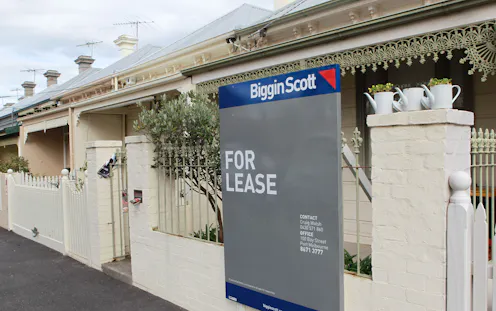
The need for new housing solutions for these low-income groups is clearly a pressing requirement.

The current system is causing inefficiencies in housing markets, but governments seem unwilling to act.

Without long-term solutions to the imbalance between incomes and house prices, Gen Ys face a lifetime of renting without the financial and emotional security of home ownership.

Australia’s housing stock is not meeting the demands of older Australians, according to a new report.
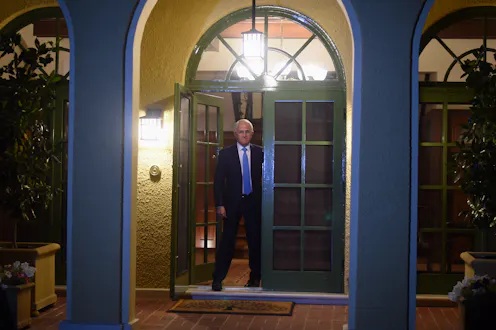
It makes sense for the federal government to grease the wheels of federal-state tax reform.

Women receive less pay than men, especially at a top management level, and are less represented on the board of organisations, a new study has found.

There are far too many financial incentives keeping older Australians from choosing to downsize.
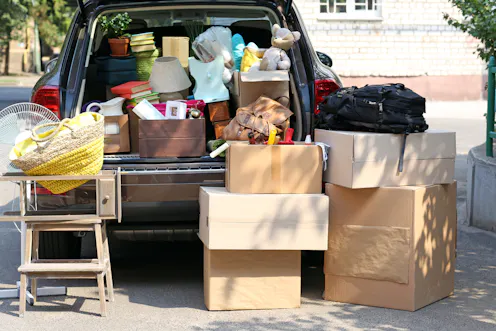
Financial stress is more likely to cause Australians to drop out of home ownership. Why?

There are well-rehearsed arguments both for and against removing negative gearing from property.

Housing affordability, high house prices and rents are attracting plenty of media attention right now. The latest figures on house prices, mortgages, number of first time buyers and so on are dissected…
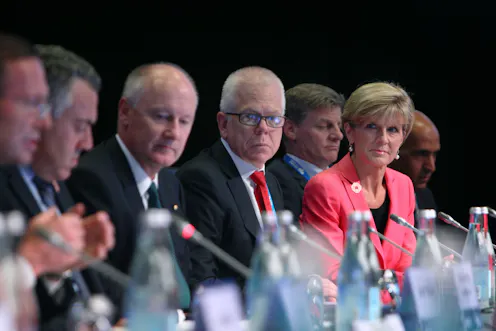
The G20 leaders have committed to reduce the gap between male and female workforce participation rates by 25% by 2025. The gender equality focus by many of the leaders during the summit, including UN Secretry-General…

Perceptions of the family home have changed dramatically in recent years. Once viewed as a tool to ensure low housing costs in old age, a more complex and wide-ranging welfare role for home ownership has…
Contact Rachel for
- Media request
- Speaking request
- Consulting / Advising
- Research collaboration
- Research supervision
