
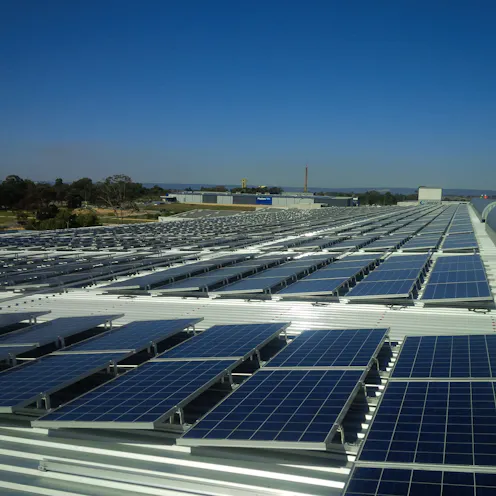
Despite its name, the National Electricity Market doesn’t reach WA. But those charged with guiding the eastern states’ energy transition should look west once in a while.
- Professor of Sustainability, Curtin University
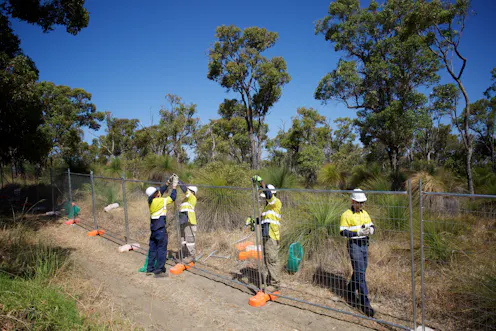
Perth’s Roe 8 project illustrates all that is wrong with how we are planning and managing infrastructure in our cities.
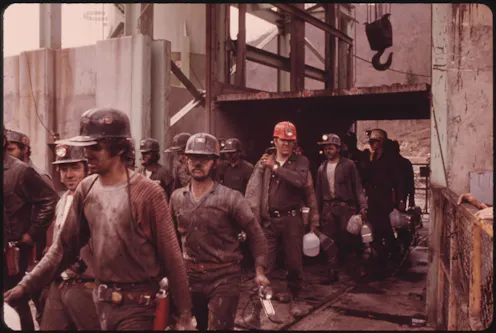
America’s coal heartland is delighted with Donald Trump’s election win. But like King Canute, he can’t turn back the tide of the global market push away from coal and towards renewables.
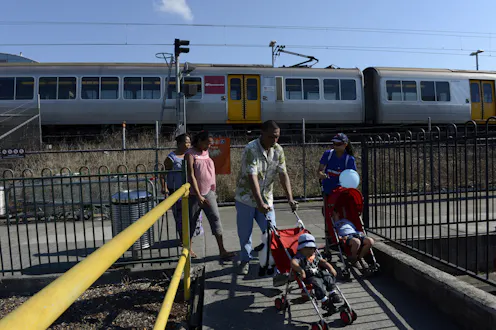
The Australian government should look to the private sector to fund, develop and run more urban rail projects.
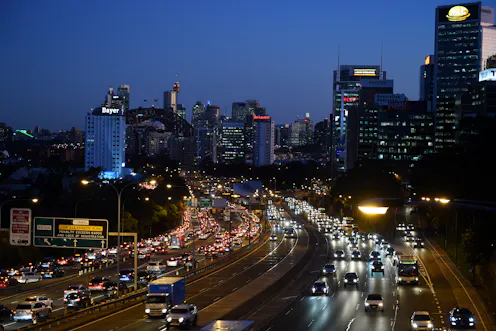
The Australian Automobile Association said that a new report showed that “the average Australian family is spending up to $22,000 every year to get around.” Is that accurate?
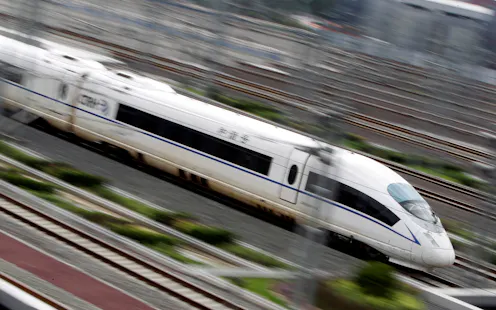
High-speed rail is now a well-established technology and Australia needs it, as long as the project ticks all the boxes needed to deliver both private and public benefits.
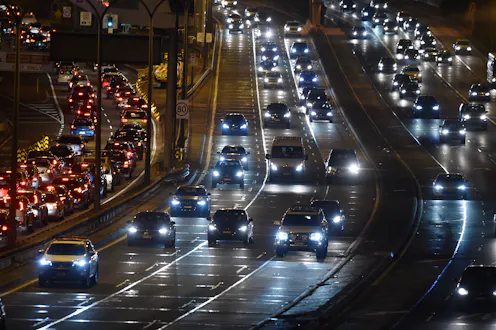
Labor says that public sector infrastructure investment has fallen 20% under the Abbott-Turnbull government. Is that right?
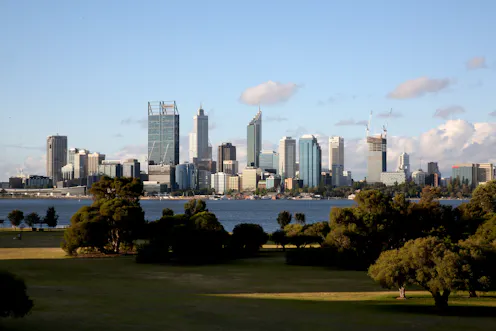
With a strategic plan adopted, it not only shows where development should be avoided but clears the way for development in other areas. So Perth needs to get it right.

Much of the infrastructure Australia needs will be funded by “value capture” – raising tax revenue by boosting land values. Some have decried it as a tax hike in all but name, but it isn’t really.
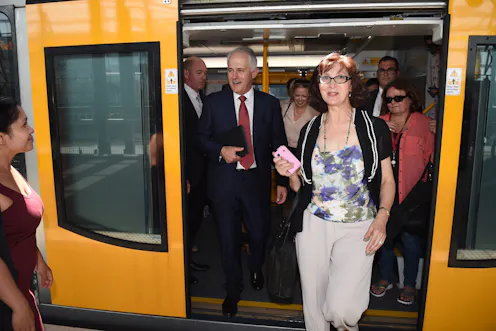
The ‘30-minute city’ goal is about more than urban rail and other transit projects. It means transforming our cities into centres of activity where work, study and services are all close by.
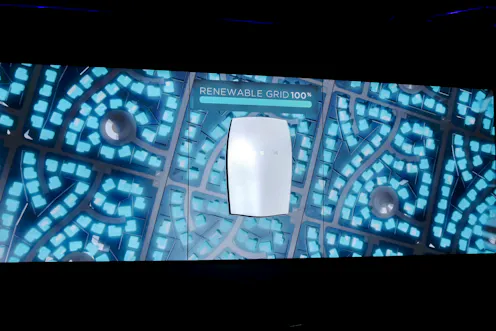
The ‘early adopters’ of home battery storage will pay significantly more than those who come later, but it won’t be long until prices drop enough for many more to get on board.
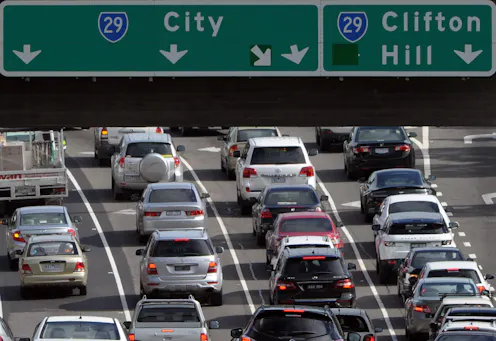
On average, people won’t accept a commuting time of more than an hour. As cities grow ever bigger, new road projects can’t achieve this, yet policymakers still rely on modelling that defies evidence.
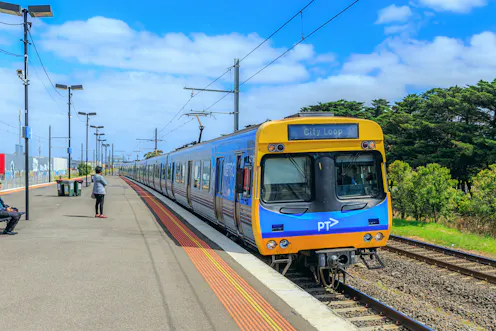
Building more rail shouldn’t be reliant on the public purse.
Self-driving cars may not be the solution to all our transport woes. Better to focus on public transport.
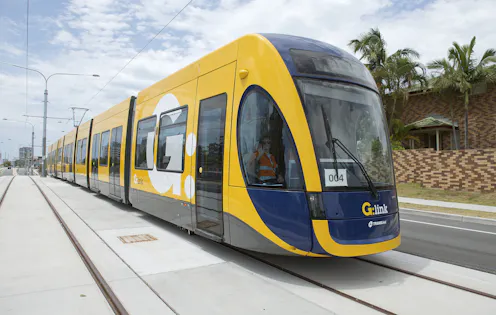
The Turnbull government seems to have lifted Abbott’s moratorium on rail funding, but giving light rail to every city that wants it will take some clever strategies to woo private investors.

New prime minister Malcolm Turnbull has stressed the importance of embracing ‘disruptive’ technologies that shake up existing business models. Solar power and battery storage is one of the most enticing options.
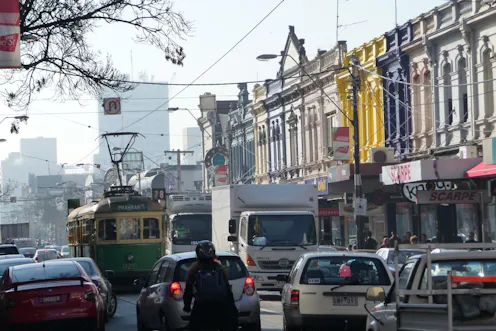
There is a new fear on the block … traffic congestion. But do we have to accept that congestion trends will overwhelm us? Is it really right to fear congestion?
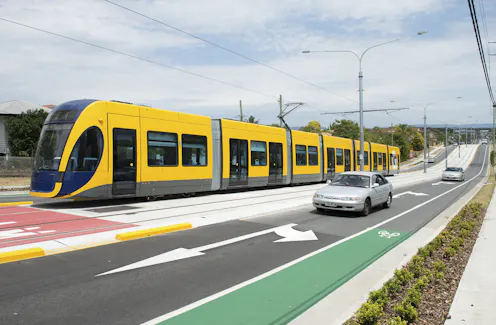
Light rail is good for cities, but it’s also expensive, which is why many Australian cities have opted for buses instead. But there is a way to get top-drawer public transport using private dollars.

What is the future of Australia’s wealthiest state? The Conversation, in conjunction with Griffith REVIEW and Curtin University, is publishing a series of articles exploring the unique issues facing Western…
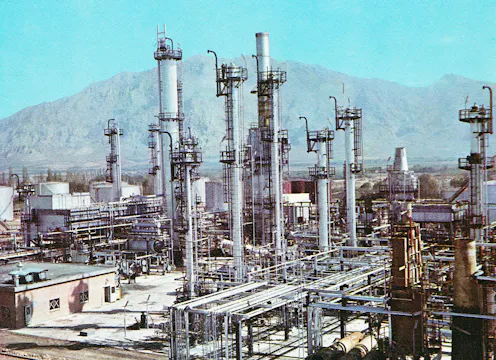
With oil prices on the slide, members of the once-dominant Organization of the Petroleum Exporting Countries (OPEC) decided last week not to attempt to rally them by cutting production, leaving the Brent…
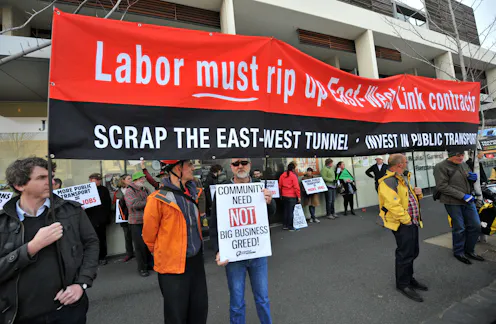
Labor’s state election victory in Victoria has fatally undermined Melbourne’s most controversial tunnel, the now-doomed East-West Link, with new Premier Daniel Andrews pledging to rip up the contracts…
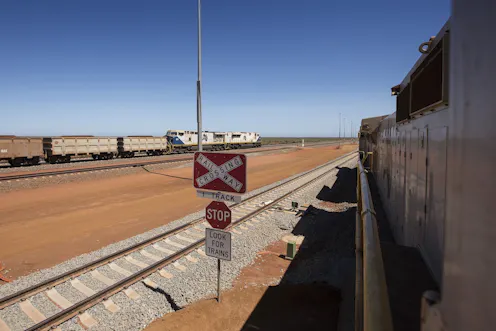
The Pilbara has had a remarkable boom in recent years, but with the current slowdown comes questions about its long-term future. The need to diversify the local economy is obvious, but how do you do this…

Unless you have been living under a rock, you couldn’t help but hear the dying wail of manufacturing here in Australia. Car manufacturing and food manufacturing being the most recent victims. There’s no…
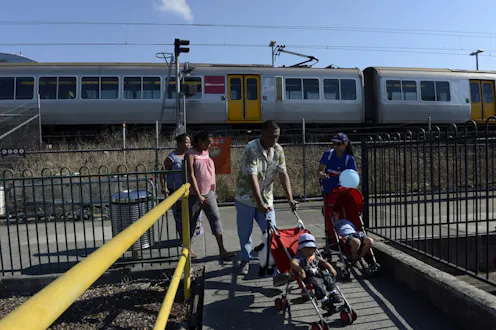
Sydney’s West Connex Motorway, one of Australia’s biggest infrastructure projects, is not without its downsides but may provide a potential model on how future urban public transport projects can be financed…
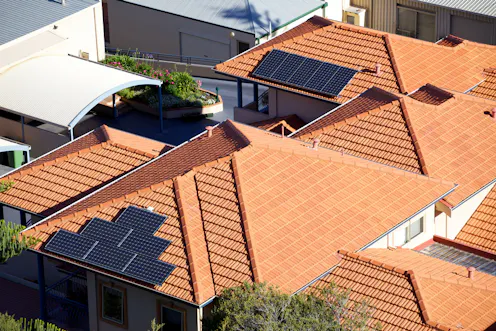
In Australia’s middle and outer suburbs, rooftop solar technology provides a clear way to reduce the emissions from the energy our houses use. But higher density housing types (apartments and medium density…
Contact Peter for
- General
- Media request
- Speaking request
- Consulting / Advising
- Research collaboration
- Research supervision
- Location: Fremantle, Australia
- Website
- X (formerly Twitter): @peternewmanCUSP
- Article Feed
- ORCID
-
- Joined
