

Macron’s recent visits to Africa tell a story in which France is doing penance for its colonial crimes while trying to maintain influence gained through colonialism.
Utrecht University

Utrecht University is an internationally renowned top research university conducting fundamental and applied research covering a wide variety of scientific disciplines; from infectious diseases and human rights to climate research and cultural history.
This diversity has inspired multi-disciplinary research collaborations with partners both from inside and outside the University. Regionally, as well as nationally and internationally, Utrecht University collaborates with universities, knowledge institutions and industry. These partnerships foster innovative research and contribute to economic development and the solution of social problems.
As a large and multifaceted international knowledge centre of academic and scientific excellence, the University’s core mission is to:
- educate young people
- train new generations of researchers
- produce academics who have both specialist knowledge and professional skills
- conduct groundbreaking research
- address social issues and work towards solving them
Commitment, inspiration, ambition and independence are Utrecht University’s core values. The University fosters its academic community through investment in staff and students.
Links
Articles
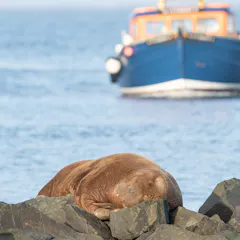
Whether to protect humans or out of mercy for the animal, decisions to kill wildlife aren’t taken lightly.

Rationing water at home will benefit moisture-starved ecosystems.
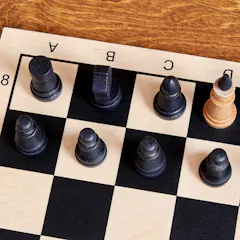
The story of a Dutch double agent who spied on the Stasi. Listen to The Conversation Weekly podcast.
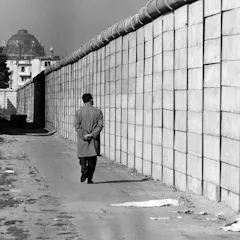
A double agent who operated for the CIA and the Dutch security service against the Stasi tells his story for the first time.
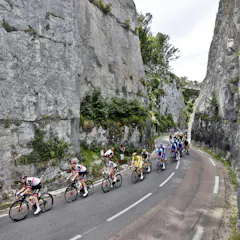
The world’s biggest cycling race is a great way to teach people about geology – and test our own ideas.

Our research shows that although climate change is a key factor in starting conflict in eastern Africa, it’s not always the most important one.
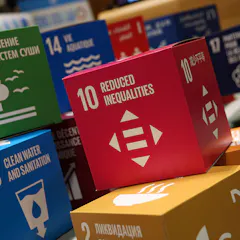
Governments agreed in 2015 to transform society by 2030. Here’s how that’s going.

If you found the COVID pandemic affected you differently to your friends, it could be down to your DNA.
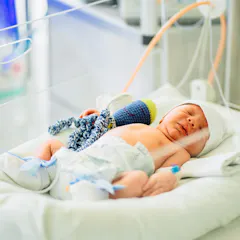
New research shows promise in reversing damage to newborn babies who have had a stroke.
Genetic modifications to DNA regions involved in metabolism, cholesterol and immunity may play a role in ALS disease progression.
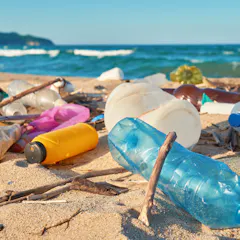
Plastic waste is a huge problem. To fix it, we need systemic change, not just a focus on picking it up or recycling plastic once it becomes rubbish.
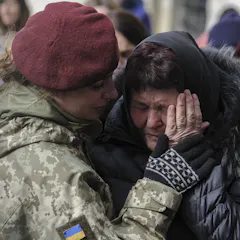
War is a gender issue in many ways, but the coverage of Ukraine shows how the portrayals of men and women are changing.

Cats are in charge – but living with one can be one of life’s greatest joys. Here’s some guidance on choosing the right feline for you.

Dogs can be hugely rewarding pets - but it’s important to choose the right dog and be well prepared before welcoming one into your home.
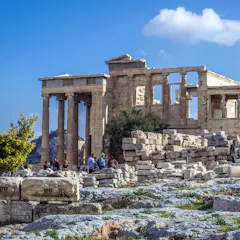
The story can be traced back many centuries to a time of warfare between Christian European countries and the Muslim Ottoman Empire.

Why we are predicting the mountains of the far future, and what it can tell us about the world today.

L'approche de Macron à l'égard de la politique africaine s'inspire des stratégies des années 50 en raison notamment des similutudes avec la période qui a suivi la Seconde Guerre mondiale.
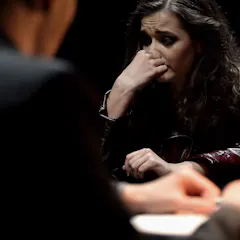
Police officers are tasked with summarising accounts of violent incidents. And the language they use is extremely important.
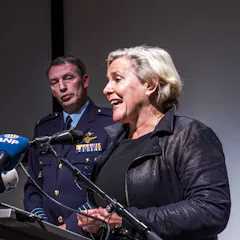
Western militaries all too often try to hide the fact of civilian casualties as they spoil the popular narrative of a “clean” war.
Authors
-

Postdoctoral researcher, Utrecht University
-
Assistant Professor in Political Ecologies of Sustainability, Utrecht University
-
Associate Professor, Energy and Resources Group, Copernicus Institute of Sustainable Development, Utrecht University
-
Research Fellow at the University of the Free State, South Africa and Assistant Professor in the History of International Relations, Utrecht University
-
Research Associate in the Department of Biology, Utrecht University
-
Assistant Professor, Law, Economics and Governance, Utrecht University School of Law, Utrecht University
-
Associate Professor, Department of Human Geography and Spatial Planning, Utrecht University
-
Assistant professor, Utrecht University
-
Professor of Climate Adaptation, Utrecht University
-
Assistant Professor in Digital Media and Society, Utrecht University
-
Visiting Fellow, School of Global Studies, University of Sussex; University of Tartu; Utrecht University
-
Associate Professor of Secular and Religious Studies, Utrecht University
-
Assistant Professor, Utrecht School of Economics, Utrecht University
-
PhD candidate, Copernicus Institute of Sustainable Development, Utrecht University
-
Assistant Professor of Philosophy, Utrecht University