

Researchers learned from dozens of interviews that the usual ways of resolving complex cases, escalating issues and holding the authorities accountable no longer work.
University of Wisconsin-Madison

The University of Wisconsin–Madison is a public, land-grant institution that offers a complete spectrum of studies through 13 schools and colleges. With more than 49,000 students from every U.S. state and 116 countries, UW–Madison is the flagship campus of Wisconsin’s state university system. UW–Madison is a formidable research engine, ranking eighth among U.S. universities as measured by dollars spent on research. Faculty, staff, and students are motivated by a tradition known as the Wisconsin Idea that the boundaries of the university are the boundaries of the state and beyond.
Links
Articles

Modifikasi cuaca melalui penyemaian awan biasanya dilakukan untuk memindahkan hujan ke daerah ‘aman’. Tapi efektivitasnya diragukan. Dan sejauh ini pemerintah belum terlihat memperhitungkan dampaknya ke nelayan dan petani daerah tersebut yang mengandalkan kepastian cuaca untuk mencari nafkah.
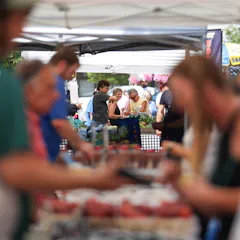
Only about 1 in 5 of the Americans surveyed shop at farmers markets because they care a lot about food and enjoy buying, preparing and eating fresh food.
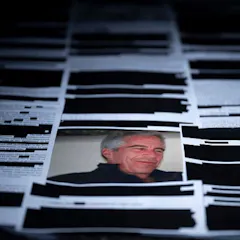
People have created their own online platforms to probe the millions of Epstein file documents, fostering new conspiracies that link to older ones like QAnon.

The Supreme Court limited the ability of people to sue government contractors in state courts.

An expert in traumatic brain injuries explains why you need to protect your noggin.
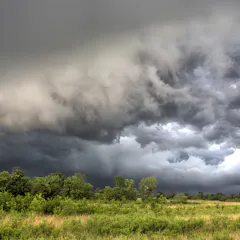
Don’t blame the weatherman. A meteorologist explains where your local weather forecasts really come from, and what storm scientists are doing to bring them closer to home.
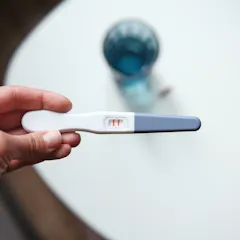
Parental involvement laws and the stigma of teen pregnancy create significant barriers for teenagers seeking abortions. These factors are pushing teens to obtain abortion pills online.
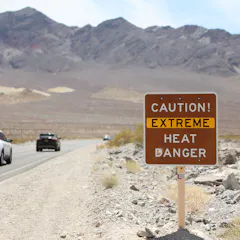
Climate change is making people sicker and more vulnerable to disease, doctors and scientists explain. Erasing the federal endangerment finding increases the risk.

The Kalevala, a poetic epic filled with myth, reflects the shared roots between Finnish and Karelian cultures.
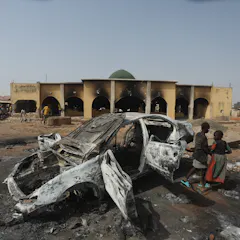
President Donald Trump described a Dec. 25 airstrike on suspected insurgent camps as a ‘Christmas present’ from the US. Many in Nigeria are not viewing it as such.

Some of these ‘forever chemicals’ are toxic at very low levels. They can get into water systems and bioaccumulate in fish, ultimately posing risks to people.
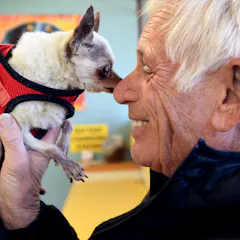
The decision to bring a dog into the family should recognize that, like other family members, they will require medical care.

From Pig Latin to Punch Buggy, kids have long used nonsensical language, gestures and games to carve out cultures of their own.
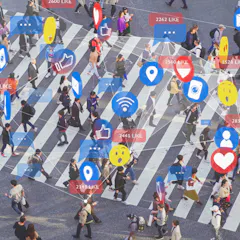
A privacy researcher breaks down how your phone reveals your location, how that data is collected and sold, and how the government gets ahold of it – by simply buying it.

Academic freedom grew strongly after World War II, with greater university funding, protections and autonomy, yet global data now shows a decline.
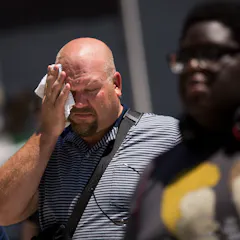
From extreme heat to mosquito-borne illnesses, climate change is making people sicker and more vulnerable to disease. Health scientists explain what individuals and governments can do about it.
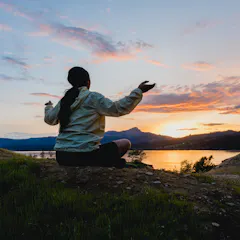
While the rest of nature rises and slumbers to lunar and solar cycles, humans work and sleep to the resetting of their artificial clocks.
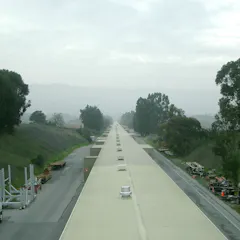
Super short X-ray pulses help scientists study materials at the atomic level. Researchers found that certain lasing effects can make these pulses even shorter.

Parents can help their Black and Hispanic teens handle online racism by talking it through, but monitoring internet use can backfire.
Authors
-

Associate Professor of Rhetoric, Politics and Culture, University of Wisconsin-Madison
-
Postdoctoral research fellow, University of Wisconsin-Madison
-
Meteorologist and Research Program Manager, University of Wisconsin-Madison
-
Legal Director, State Democracy Research Initiative, University of Wisconsin-Madison
-
Professor of Pediatrics and Human Development & Family Studies, University of Wisconsin-Madison
-
Professor of Medicine, University of Wisconsin-Madison
-
Professor of Plant and Agroecosystem Sciences, University of Wisconsin-Madison
-
Associate Professor of Cell and Regenerative Biology, University of Wisconsin-Madison
-
Researcher, Nelson Institute for Environmental Studies, University of Wisconsin-Madison
-
Distinguished Teaching Faculty of Civil Society & Community Studies, Director of Global Health and Human Ecology, University of Wisconsin-Madison
-
Associate Professor of Rhetoric, Politics and Culture, University of Wisconsin-Madison
-
Research Coordinator, Urban and Regional Food System Program, University of Wisconsin-Madison
-
Research Fellow, University of Wisconsin-Madison
-
Dean of the School of Human Ecology, Professor of Consumer Science, University of Wisconsin-Madison
-
Professor of Education Law, Policy and Practice, University of Wisconsin-Madison