

Evidence for the benefits of empathy in healthcare is mounting.
University of Oxford

The University of Oxford is the oldest university in the English-speaking world. Teaching has taken place at Oxford since 1096. Oxford has the largest volume of world-leading research in the country, rating top in the REF power rankings published by Research Fortnight. Oxford’s research involves more than 70 departments, almost 1,800 academic staff, more than 5,000 research and research support staff, and more than 5,600 graduate research students. The University has 38 independent colleges to which undergraduate and graduate students belong. Oxford has the highest research income from external sponsors of any UK university: £478.3m in 2013/14. The University has pioneered the successful commercial exploitation of academic research and invention, creating more than 100 companies, and files more patents each year than any other UK university.
Links
Articles
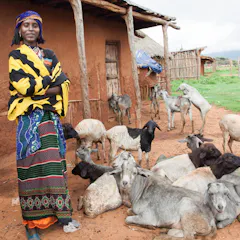
Rift Valley Fever infects millions of humans and livestock in Africa and Arabia. To fight it, scientists are developing a first of its kind vaccine that can be used on humans and animals.
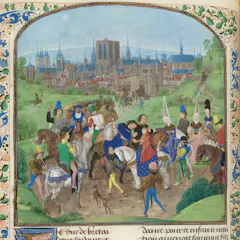
The coercive Christian rule under which Notre Dame was sanctioned drove a wide exploitation of nature. Let it stand as a reminder of our environmental sins and a call to action.
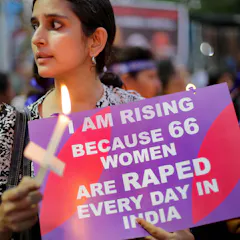
This is transcript of part four of the India Tomorrow series from The Anthill podcast, on women and gender politics in India.

CC BY-ND26.4 MB (download)
🎧 Part 4 of India Tomorrow digs into what life is like for women in India.

Why the government’s post-Brexit immigration proposals are particularly bad for women.
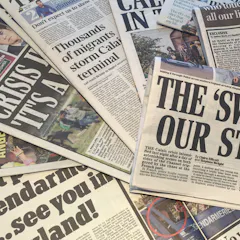
When we read press reports about immigration it pays to think about what motivates the journalists.
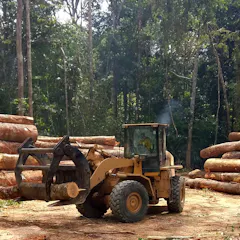
Hundreds of scientists and Indigenous leaders have asked the EU to demand tougher imports standards to protect Brazil’s rainforests, wetlands and savannahs.
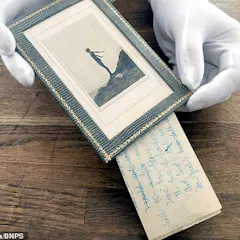
Hidden behind a photograph of the author about to dive into the sea, the new poems give is a picture of a young writer beginning to test out her ideas.

In a country with a weak press, social media played a key role in exposing the truth and building bridges between Sri Lanka’s different ethnic and religious groups.

I helped write the IPCC 1.5°C report the number apparently comes from. But the truth is better – and worse – than that.

Easter is actually a mish-mash of different traditions celebrating the coming of spring.
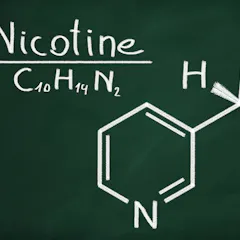
A recent Cochrane review came to a surprising conclusion.
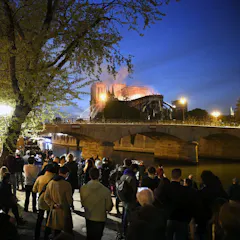
Las palabras son tan importantes como las imágenes para ayudarnos a aceptar una pérdida cultural tan grande.

Words are as important as pictures for helping us come to terms with such a huge cultural loss.

A rapid transition from fossil fuels is possible by targeting the ‘tipping points’ in our political and economic systems.

Critically acclaimed art installation highlights the way that the ubiquity of clocks and watches has transformed our relationship to time and the present.
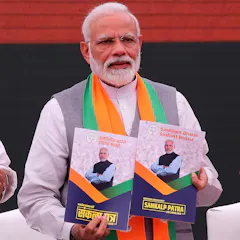
CC BY-ND27.7 MB (download)
India Tomorrow part 1 explores how fake news and the battle for information shapes Indian society.
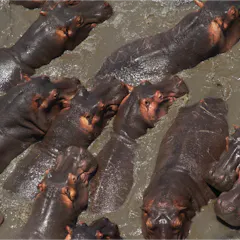
Long-standing assumption that humans killed large mammals 4.5m years ago has been debunked by researchers – but some experts still think humans played a part in the demise of biodiversity
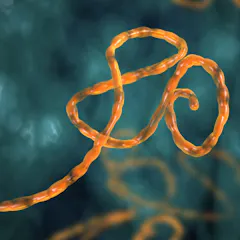
The Ebola virus claimed 11,000 lives in 2014. Today, scientists may have cured the disease in guinea pigs by using antibodies.
Authors
-

Research Fellow in Population Health, University of Oxford
-
Postdoctoral Researcher, Climate Science, University of Oxford
-
DPhil Candidate, Neurodegenerative Disorders, University of Oxford
-
Economist in AI and Work, University of Oxford
-
Emeritus Professor, Department of Physiology, Anatomy and Genetics, University of Oxford
-
Einstein Professor for the Comparative Study of Democracy and Authoritarianism, Humboldt University Berlin, and Director, Centre for East European and International Studies (ZOiS); University of Oxford
-
Leverhulme Early Career Research Fellow, Cognitive Archaeology and Archaeoacoustics, University of Oxford
-
Senior Research Fellow, University of Oxford
-
Research Fellow in Business and Human Rights, Bonavero Institute of Human Rights, University of Oxford
-
Supernumerary Fellow, Archaeology, University of Oxford
-
DPhil Candidate, Department of Atmospheric Physics, University of Oxford
-
Professor of Politics and Public Policy, University of Oxford
-
DPhil Student in Anthropology, University of Oxford
-
Associate Professor of Natural History, University of Oxford
-
Associate professor, University of Oxford