

New research shows an ambitious state plan to broaden diversity at public universities is missing the mark when it comes to flagship universities.
University of North Carolina at Chapel Hill

The University of North Carolina at Chapel Hill, the nation’s first public university, is a global higher education leader known for innovative teaching, research and public service. A member of the prestigious Association of American Universities, Carolina regularly ranks as the best value for academic quality in U.S. public higher education. Now in its third century, the University offers 77 bachelor’s, 111 master’s, 65 doctorate and seven professional degree programs through 14 schools and the College of Arts and Sciences. Every day, faculty, staff and students shape their teaching, research and public service to meet North Carolina’s most pressing needs in every region and all 100 counties. Carolina’s nearly 330,000 alumni live in all 50 states, the District of Columbia and 149 countries. More than 169,00 live in North Carolina.
Links
Articles
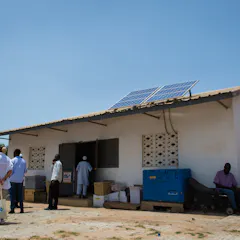
Solar-powered cold chain technologies can be game-changers in the fight against COVID-19 in resource-limited settings in sub-Saharan Africa and beyond.
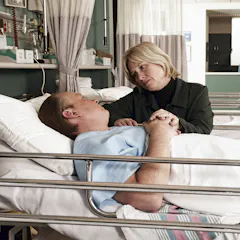
A new study is the first to identify sex differences in inflammation and immune cell activation in response to SARS-CoV-2 infection, which causes COVID-19.
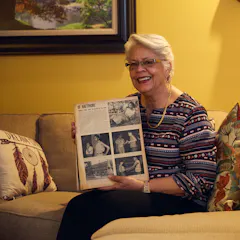
Two Lumbee scholars who have mined local archives in search of tribal history raise the profound question: Who has the rights to memories and artifacts of their people’s past?

A scholar who studies Holocaust survivors sees an explanation for why women change their stories of sexual assault, even now in the
MeToo era.
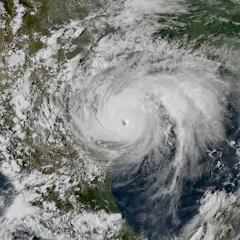
Hurricane Harvey destroyed the fishing infrastructure of Aransas Bay and reduced fishing by 80% over the following year. This removed humans from the trophic cascade and whole food webs changed.
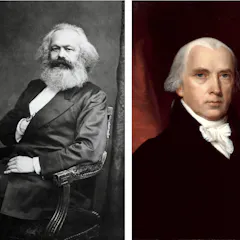
At the height of Reaganism, close to half of Americans believed a phrase popularized by Karl Marx actually derived from the US Constitution. It doesn’t, but scholars have traced it to the Bible.

In 2016 Trump promised to ‘shake the rust off America’s foreign policy.’ Four years later, it’s clearer what that looks like: a US that sits on the sidelines of world crises and collaborations alike.
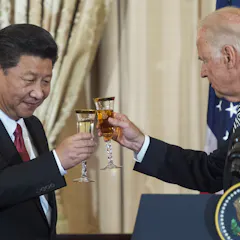
How would Joe Biden engage a world upended by Trump? A diplomacy expert explains what Biden’s history says about his foreign policy priorities.
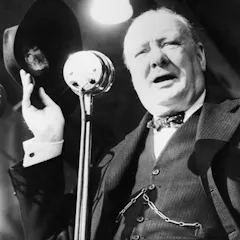
Even a highly popular and respected leader can lose an election, writes a historian – especially if they don’t have a plan for the future. Churchill was one of them.
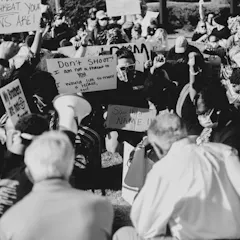
The Lumbee Tribe of North Carolina has a long history of struggle, protest and resistance to white supremacy and its social effects.

In Brazil, black COVID-19 patients are dying at higher rates than white patients. Worse housing quality, working conditions and health care help to explain the pandemic’s racially disparate toll.

The United States has 53 million caregivers, according to the latest estimate. And COVID-19 makes what they do much harder.

Being a member of a certain age group shouldn’t be a liability.
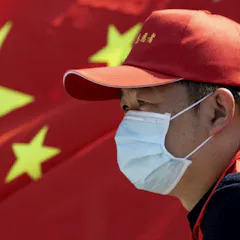
Beijing is touting its role in the world and praising its autocratic governmental system and its huge countrywide surveillance network. Hawks in Washington aren’t impressed.
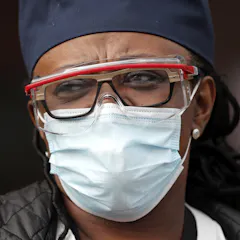
Aux États-Unis, le taux de mortalité dû au Covid-19 est plus élevé chez les Noirs que chez les Blancs, ce qui constitue une nouvelle illustration des inégalités existant dans le pays.

The 2010 Deepwater Horizon spill caused widespread damage in the Gulf of Mexico, but some parts of this complex ecosystem fared better than others.
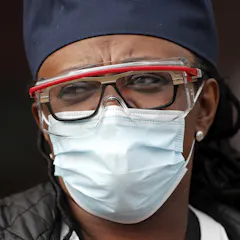
Blacks are dying at higher rates from COVID than whites, showing yet another example of gaps in outcomes between blacks and other groups. The cause is more sociological than biological.

Delivery workers and others who ensure most people don’t have to go outside for essential goods are creating what economic theorists call an uncompensated ‘positive externality.’
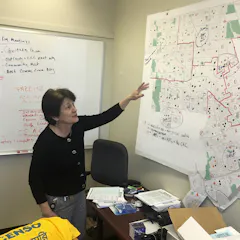
How accurate will the 2020 census be? A demographer explains which communities are hard to count, how the coronavirus could affect the process and what’s at stake.
Authors
-

Assistant Professor of Chemistry, University of North Carolina at Chapel Hill
-
Research assistant professor, University of North Carolina at Chapel Hill
-
Professor of History, University of North Carolina at Chapel Hill
-
Professor of Sociology, University of North Carolina at Chapel Hill
-
Lineberger Distinguished Professor of Art History and History, University of North Carolina at Chapel Hill
-
Assistant Professor of Sociology, University of North Carolina at Chapel Hill
-
Professor of Sociology and Director of the Carolina Population Center, University of North Carolina at Chapel Hill
-
Professor of History, University of North Carolina at Chapel Hill
-
Professor of History and International Affairs, University of North Carolina at Chapel Hill
-
Teaching Assistant Professor of Philosophy, University of North Carolina at Chapel Hill
-
Ph.D. Candidate in Socio-Cultural Anthropology, University of North Carolina at Chapel Hill
-
PhD Student in Media and Communication, University of North Carolina at Chapel Hill
-
Professor of History and Director of the Global Research Institute, University of North Carolina at Chapel Hill
-
Assistant Professor of African Studies and City Planning, University of North Carolina at Chapel Hill
-
Professor of Science Education, University of North Carolina at Chapel Hill