

La transparence fiscale des grandes entreprises ne s’obtient pas spontanément. Pour y parvenir, il existe certains leviers. Découvrez lesquels.
University of Naples Federico II

The University of Naples Federico II (Italian: Università degli Studi di Napoli Federico II) is a university in Naples, Italy. Founded in 1224, it is the oldest public non-sectarian university in the world, and is now organized into 13 faculties. It was Europe’s first university dedicated to training secular administrative staff, and one of the oldest academic institutions in continuous operation.
Federico II is the third University in Italy by number of students enrolled,[citation needed] but despite its huge size it is still one of the best universities in Italy, being particularly notable for research; in 2015 it was ranked among the top 100 universities in the world by citations per paper.
As of 2016 it is the only generalist Italian university in the Times higher education reputation, which considers the best 200 best universities in the world. The university is named after its founder Frederick II. In October 2016 the University hosted the first ever Apple IOS Developer Academy and in 2018 the Cisco Digital Transformation Lab.
Links
Articles

Canada and other OECD countries’ plans to test students’ AI literacy in 2029 threatens to obscure essential questions about the marketing of AI.

Certaines marques mettent en avant le territoire dont elles sont issues pour développer leur image. C’est le cas de la marque Garofalo inséparable de la région de Gragnano en Italie.

The effects on other countries can be both negative and positive.
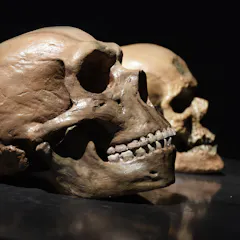
The way human brains develop is special – but not quite as special as you’d like to think, if we consider Neanderthals as well.
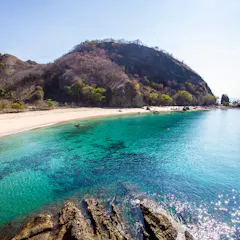
Ketika spesies yang bertubuh besar menetap di sebuah pulau, mereka akan berevolusi menjadi lebih kecil dalam ukuran - sampai ke titik memberikan keturunan yang kerdil.

New research models how the Homo floresiensis species could have evolved its small size remarkably quickly while living on an isolated island.
Authors
-

Associate professor in Accounting, University of Naples Federico II
-
Professeur à l'Université, University of Naples Federico II
-
Lecturer in Sociology of Digital Education, University of Naples Federico II
-
Professor of Paleontology and Paleoecology, University of Naples Federico II
-
Associate Professor of Economics, University of Naples Federico II
-
Chercheuse en économie et en gestion , University of Naples Federico II