
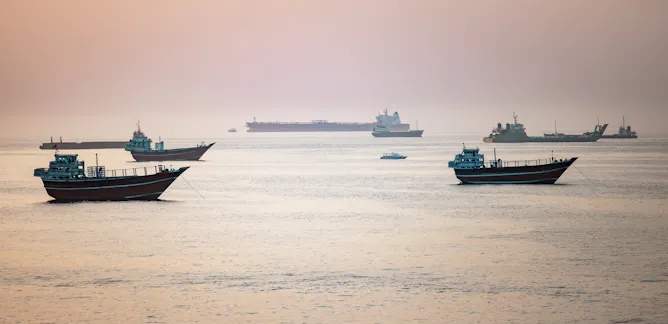
Idle vessels accumulate biofouling quickly, especially in tropical waters. But there are precautions other ports can take against alien pests, parasites or disease.
University of Maryland Center for Environmental Science

The University of Maryland Center for Environmental Science leads the way toward better management of Maryland’s natural resources and the protection and restoration of the Chesapeake Bay. From a network of laboratories located across the state, our scientists provide sound advice to help state and national leaders manage the environment and prepare future scientists to meet the global challenges of the 21st century.
Links
Articles
The most comprehensive assessment yet of a powerful greenhouse gas shows which countries are driving the increase, and which ones are successfully cutting emissions.
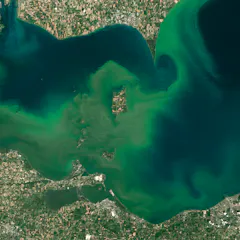
Nutrient pollution fouls lakes and bays with algae, killing fish and threatening public health. Progress curbing it has been slow, mainly because of farm pollution.
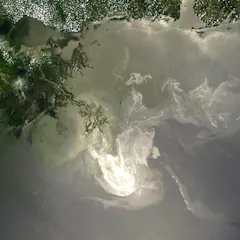
The BP Deepwater Horizon blowout on April 20, 2010 triggered the largest offshore oil spill in history. Ten years later, post-spill reforms are being undone and the Gulf of Mexico remains vulnerable.
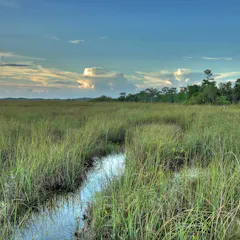
Federal and state agencies are carrying out a 35-year, multi-billion-dollar plan to restore Florida’s Everglades, but have not factored sea level rise or other climate change impacts into their plans.
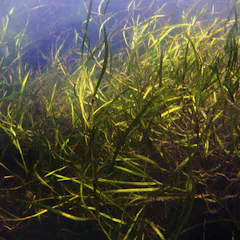
An ambitious plan to cut the flow of nutrients into the Chesapeake Bay has produced historic regrowth of underwater seagrasses. These results offer hope for other polluted water bodies.
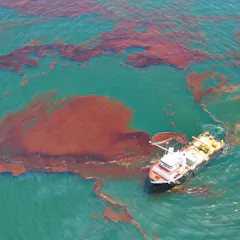
A scientist who served on a national commission to review the 2010 BP oil spill explains why Trump administration efforts to loosen offshore drilling regulation pose major risks for minor payoffs.
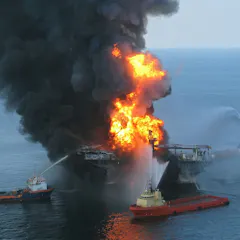
Can federal agencies stack advisory panels with friendly members? Some have tried, but a scientist who has advised many administrations says they will produce bad policies that lack broad support.
Authors
-

Professor of Marine Science and Vice President for Science Applications, University of Maryland Center for Environmental Science
-
Professor of Marine Science, University of Maryland Center for Environmental Science
-
Professor, University of Maryland Center for Environmental Science
-
Professor in Marine Ecology, University of Maryland Center for Environmental Science
-
Science Integrator, Integration and Application Network, University of Maryland Center for Environmental Science