

Exiting the EU does not mean closing off British seas.
University of Hull

The University of Hull has been changing the world and changing lives since 1927. In a rapidly altering world, our research is responding to some of the biggest global challenges. Our current work ranges from health to habitats, food to flooding and supply chains to slavery.
We have appeared twice in Universities UK’s list of ‘100 discoveries by British universities that have changed the world’. Once for our globally renowned breakthrough in liquid crystal displays (facilitating the technology for screens on mobile phones, TVs, laptops and tablets); and once for our pioneering work on a bone density scanner for the earlier detection of osteoporosis. Our Wilberforce Institute has also won the Queen’s Anniversary Prize in recognition of its work combatting modern-day slavery.
We’ve been recognised for our academic impact: the University was named in the top 50 UK institutions for research power by Times Higher Education, based on the most recent Research Excellence Framework 2014.
The University’s collaborations are shaping the future. Building on the success of Hull’s reign as City of Culture, in which the University was a Principal Partner, the University is pleased to be bringing the best of British Science to Hull and the Humber in September 2018 by hosting the British Science Festival, giving the opportunity to showcase nationally the region’s significant contribution in this field.
Links
Articles
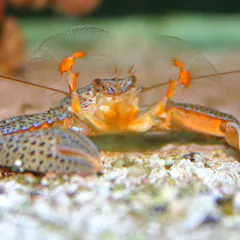
‘Smell-free seas’ would be a disaster for marine life.
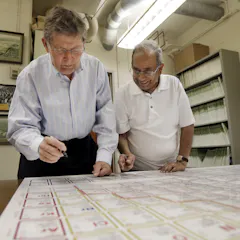
Some 18 elements have had placeholder names derived from the Latin to stop scientists fighting over what their discoveries should be called.
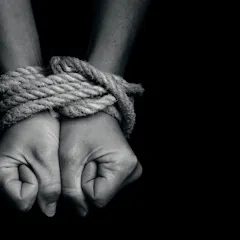
The number of people in slavery across the world is on the rise, or maybe researchers are just getting better at counting.
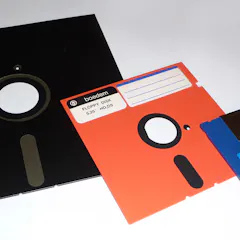
Upgrading your home PC is one thing, but upgrading systems that run banking, air traffic control or even nuclear weapons is not something done lightly. Or often.
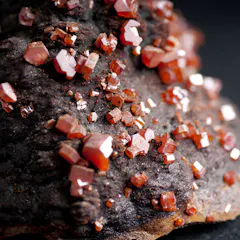
Matériau clé des nouvelles générations de batteries, le vanadium peut être extrait des déchets industriels. Des caractéristiques prometteuses à l’heure du déploiement des énergies renouvelables.
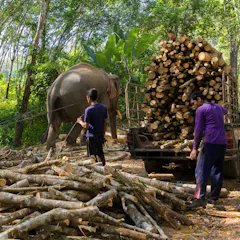
Saving the world’s forests and oceans means putting an end to slavery run by criminal gangs.
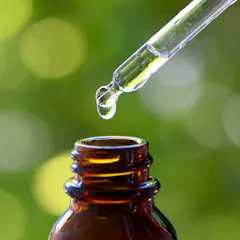
Just a few awkward questions.
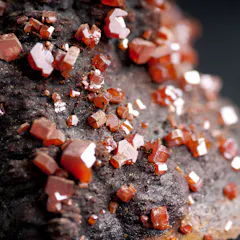
A metal found in industrial wastes could help store solar and wind energy until it’s needed.
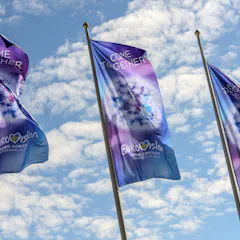
Eurovision wants to protect its ‘non-political nature’. But can it?
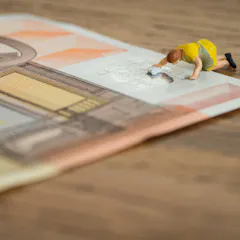
The government should resist the temptation to soften monitoring efforts aimed at MPs and their families and associates.

Scientists have found a way to encrypt messages using common chemicals such as cola and mouthwash.
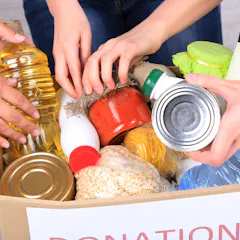
Some of the most vulnerable people in society are being kept alive by food banks.

It involves shifting calendars, greedy governments – and the Pope.
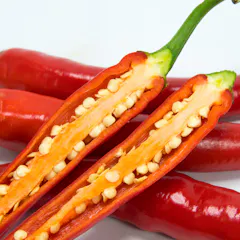
Discover the chemical wonders in your kitchen cupboard.
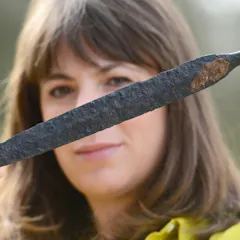
What’s in a name? In search of the link between the Parisi people of East Yorkshire and Parisii of northern France.
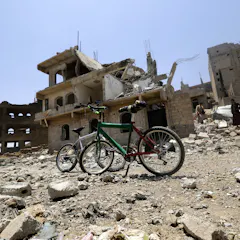
Thousands killed, millions displaced, a country in ruins: when will the international community act to end the violence?
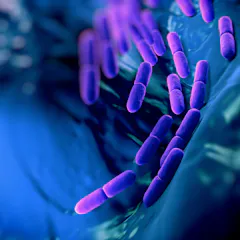
Scientists have discovered the first easy-to-grow bacteria that can break down plastics.
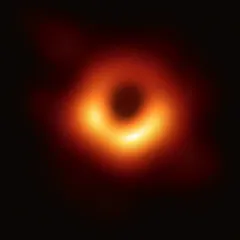
Une première dans l'histoire de l'humanité : ma toute première image d'un trou noir hyper massif capté par les télescopes de la collaboration Event Horizon Telescope.

Malawi shows how micro and small business, with a bit of help from volunteers, can grow and create jobs
Authors
-

PhD Candidate, Energy and Environment Institute, University of Hull
-
Lecturer (Assistant Professor) of Renewable Energy and Carbon Removal, University of Hull
-
Reader in Creative Writing, University of Hull
-
Reader in 20th Century History, University of Hull
-
HUBS Associate Dean (Research and Enterprise) & Professor of Social and Political Thought, University of Hull
-
Lecturer in History, University of Hull
-
Honorary research associate, English literature, University of Hull
-
Senior Lecturer in Zoology, University of Hull
-
Professor of Science Communication and Chemistry, University of Hull
-
Lecturer in Chemical Engineering, University of Hull
-
Lecturer in Criminology, University of Hull
-
Professor of Water Science & Deputy Director of the Energy and Environment Institute, University of Hull
-
Senior Lecturer in Marketing, University of Hull
-
Teaching Fellow at the Centre of Excellence for Data Science, Artificial Intelligence and Modelling, University of Hull
-
Interdisciplinary Doctoral Researcher in English Literature and Indigenous History, University of Hull