
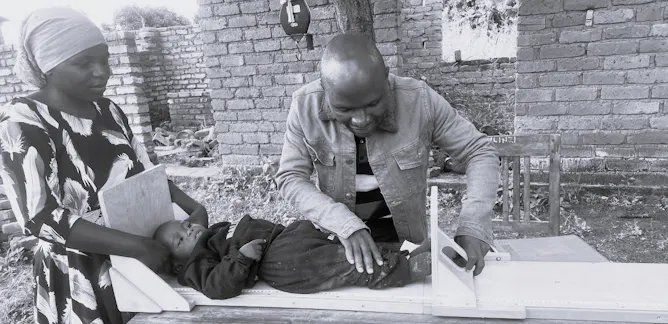
A lack of food is not the only cause of malnutrition. Poverty, disease, poor sanitation, climate pressures and limited access to healthcare also shape it.
University of Dar es Salaam

Links
Articles
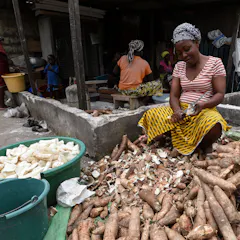
Cassava could thrive across more of Africa as the climate warms, but a deadly disease carried by whiteflies may spread faster, threatening the nutritious crop.
Huit pays devraient être à l'origine de 50 % de la croissance démographique au cours des trois prochaines décennies. Cinq d'entre eux se trouvent en Afrique.
Eight countries are projected to be behind 50% of the growth in population over the next three decades. Five are in Africa.
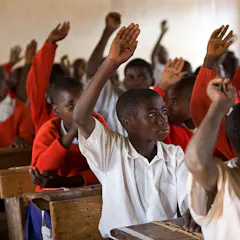
To achieve quality and inclusive education, Tanzania should prioritise disadvantaged and marginalised children in schools.
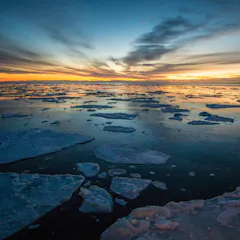
A transcript of episode 5 of The Conversation Weekly podcast, including stories on the Arctic Ocean and new archaeological finds in Tanzania’s Olduvai Gorge.

Plus, new discoveries about early humans in Tanzania’s Olduvai Gorge. Listen to episode 5 of The Conversation Weekly podcast.
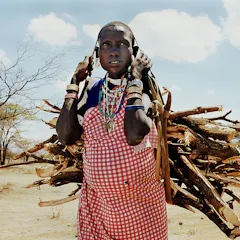
Even though the spouse escort policy carries good intentions, we found during our study that it constituted a barrier to care in numerous ways.

Over the past 30 years China has turned into a major study-abroad hotspot for thousands of African students.
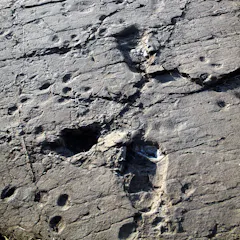
While the science is crucial, it is also important to know what sense the people who live in and around Laetoli make of these ancient footprints.

Tanzania has experienced two major coral bleaching events. Major coral bleaching events occur when sea surface temperatures are high thanks to El Nino.
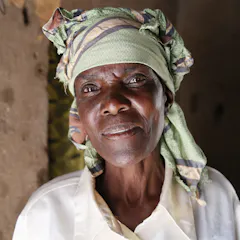
It is particularly dangerous to be an elderly person in Tanzania’s rural areas and villages. Legislation exists to protect this group, but it’s not being translated into reality.

Tanzania’s government has uncovered evidence of 2 000 “ghost” students who are fraudulently obtaining loans. This costs the country and other students dearly.
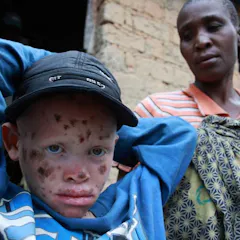
Children with albinism are teased and physically bullied by classmates who don’t understand their condition. They withdraw from learning – and many ultimately leave school early.
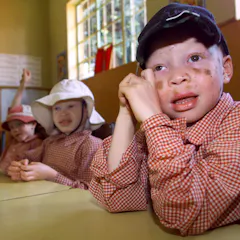
In Tanzania, where albinism is common, there’s plenty that ordinary teachers can do to support students with albinism – much of it quite simple.
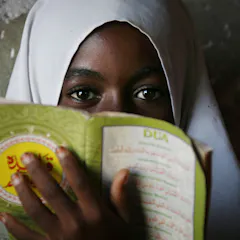
When girls know that they have access to hygienic, safe sanitary products they are less likely to skip school while menstruating.

Child labour in Tanzania is driven largely by poverty. More must be done to keep children in school so their skills aren’t lost to the economy in the long run.
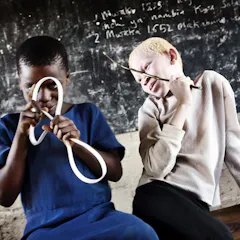
Children living with albinism are very vulnerable to attack, kidnapping, mutilation and murder. In Tanzania, fear is keeping many children away from school and costing them an education.
Authors
-

PhD Candidate, University of Dar es Salaam
-
Senior Lecturer in Development Studies, University of Dar es Salaam
-
Senior Lecturer in Heritage Studies, University of Dar es Salaam
-
Associate Professor of Demography, University of Dar es Salaam
-
Lecturer in Development Studies, University of Dar es Salaam
-
Lecturer in the Department of Mathematics, Physics and Informatics, University of Dar es Salaam
-
Lecturer in Development Studies , University of Dar es Salaam
-
Molecular ecologist, University of Dar es Salaam
-
Lecturer, College of Humanities, University of Dar es Salaam
-
Director of Humanities Research Centre and Senior in the Department of Archaeology and Heritage Studies, University of Dar es Salaam
-
Senior Lecturer, Institute of Development Studies, University of Dar es Salaam
-
Information Systems Researcher, University of Dar es Salaam