
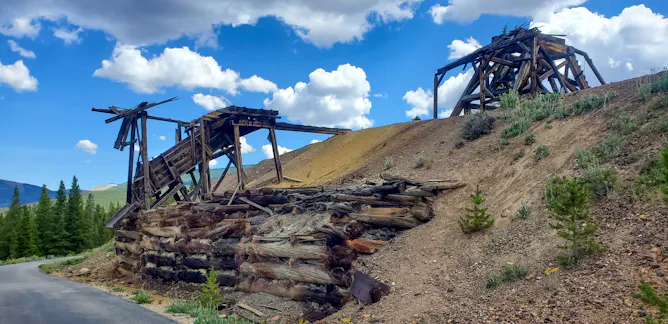
Conditions for migrant workers in the 21st century are often as precarious as they were for immigrant laborers in the 19th century.
University of Colorado Denver

The University of Colorado Denver | Anschutz Medical Campus provides a diverse body of students with opportunities to enhance their lives, careers and research. Today, the university offers more than 130 programs in 13 schools and colleges at the undergraduate, graduate, doctoral and professional health levels.
Educating more than 14,000 students on our comprehensive campus in downtown Denver and more than 3,000 students in our research and advanced health care programs at the Anschutz Medical Campus, the University of Colorado Denver is one of the nation’s top public urban research universities.
Links
Articles

Parents concerned about vaccine overload may not get the outcome they expect from Trump’s recent vaccine executive order.
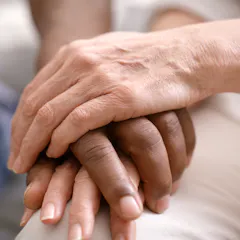
‘Fix-it’ medical approaches often go against people’s wishes near the end of life, creating unnecessary and preventable suffering.

New legislation in Denver created a program to build, repair and maintain sidewalks throughout the city.
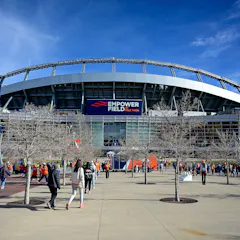
Rarely are sports stadiums financed entirely with private funds.

From grave robbing to road construction, a cemetery in Richmond, Va., reveals the long pattern of Black Americans burying their dead in spaces that received few protections.
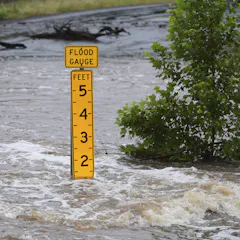
As flash floods ravage areas like the Texas Hill Country, research shows that technology alone cannot save lives during flooding emergencies.
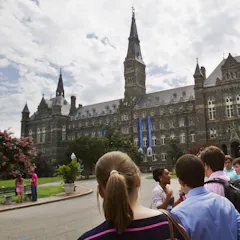
Donor-imposed restrictions keep colleges and universities from freely determining how and when to spend a large share of their endowment funds.

A traffic engineer argues that, contrary to his profession’s view, ‘human error’ is not the main cause of deaths in car crashes in the US.

Divestment from Israel may violate state laws – at least for public institutions. Private universities with large endowments may face other obstacles.

Ethnic minority auditors are less likely to become partners at accounting firms despite being better at their jobs than their white counterparts.

Presents are about giving, receiving and reciprocating, and how this cycle strengthens relationships.
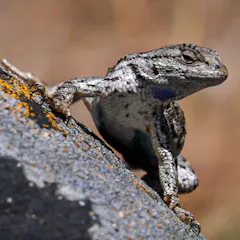
From dark dragonflies becoming paler to plants flowering earlier, some species are slowly evolving with the climate. Evolutionary biologists explain why few will evolve fast enough.

If an alert from the federal government popped up on your phone, did you notice it? Did you know who it was from? Did you trust it?
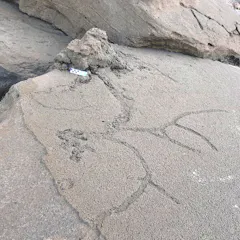
There is something near-miraculous in the concept of tiny creatures, weighing just grams, making tracks and traces so long ago, that are now evident in rock.
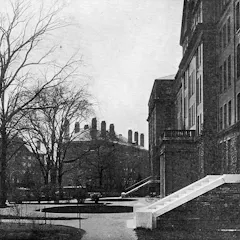
Proposed legislation would identify and protect African American cemeteries. But it wouldn’t cover the remains of thousands of Black people in museum collections.
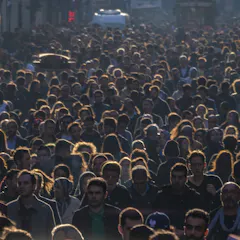
Two scholars of cities explain why dense, urban areas will survive – and thrive – long after the pandemic ends, and even if they don’t get a bailout.

Coronavirus cases have risen sharply across the Mountain West, Midwest and plains. Over 70% of nonmetropolitan counties are now “red zones,” suggesting viral spread is out of control.
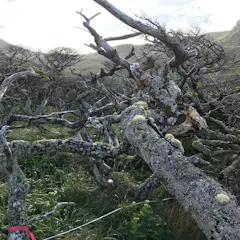
A team of researchers found the southernmost tree and forest on Earth at the extreme tip of South America. Wind limits where trees grow on Isla Hornos and those wind patterns are shifting.
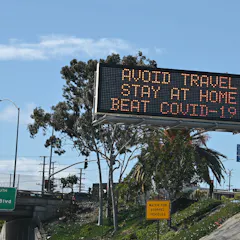
Four researchers studied California’s shelter-in-place orders to figure out how many lives were saved by its early enactment. Here’s what they found.
Authors
-

Assistant Professor of Economics, University of Colorado Denver
-
Assistant Professor of Integrative Biology, University of Colorado Denver
-
Associate Research Professor of Anthropology, University of Colorado Denver
-
Associate Professor, School of Public Affairs, University of Colorado Denver
-
Professor of Communication, University of Colorado Denver
-
Assistant Professor of Political Science, University of Colorado Denver
-
Professor of Sociology, University of Colorado Denver
-
Assistant Professor of Accounting, University of Colorado Denver
-
Professor of Health and Behavioral Sciences, University of Colorado Denver
-
Professor of Geology, University of Colorado Denver
-
Lecturer, Finance and Politics, Global Energy Management Program, University of Colorado Denver
-
Assistant Professor of Biology, University of Colorado Denver
-
Assistant Professor of Family Medicine, University of Colorado Anschutz Medical Campus, University of Colorado Denver
-
Professor of Public Administration; Director, Center for Local Government, University of Colorado Denver
-
Professor & Chair of Civil Engineering & Construction, University of Colorado Denver