

Une meilleure compréhension des circuits cérébraux intervenant dans l’adaptation comportementale pourrait déboucher sur de nouvelles méthodes de traitement de plusieurs maladies, dont la schizophrénie.
University of California, San Francisco

The leading university exclusively focused on health, UC San Francisco is driven by the idea that when the best research, the best education and the best patient care converge, great breakthroughs are achieved.
A hallmark of its excellence is UCSF’s spirit of collaboration that is carried through its partnerships across the campus and the world in pursuit of its advancing health worldwide™ mission.
Its faculty include five Nobel laureates, who have made seminal contributions to advance the understanding of cancer, neurodegenartive diseases, aging and stem cell research.
Links
Articles

Clinical trials have demonstrated the health benefits of cannabis for certain conditions, but many aren’t testing smoked or vaped forms. Research on cannabis smoke is raising concerns.

Visualization is an essential part of the scientific process. Advances in imaging have enabled eye-opening discoveries, not only for scientists and researchers but also for the general public.
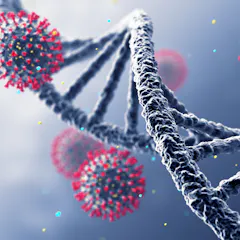
Researchers found that people with a specific gene variant were two to eight times more likely to not have symptoms after infection.

For many Americans, a healthy diet of fruits, vegetables and whole grains is beyond their reach.

Though abortion is appearing in more plot lines, many programs still aren’t accurately depicting what the reality of abortion access looks like in America today.
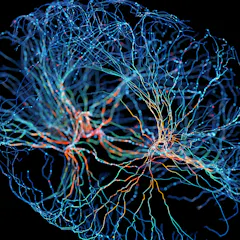
Glioblastoma is the most aggressive type of brain cancer, causing significant decline in cognitive function. New research suggests a common anti-seizure drug could help control tumor growth.
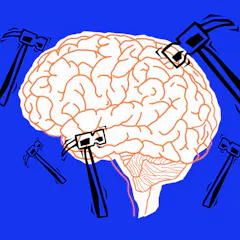
Pain has long been subjectively measured, leading to frustrations for patients and doctors alike. Identifying neural biomarkers of pain could improve diagnosis and lead to better treatments of chronic pain conditions.

Learning new rules requires the suppression of old ones. A better understanding of the brain circuits involved in behavioral adaptation could lead to new ways to treat schizophrenia and bipolar disorder.

The Supreme Court’s ruling on mifepristone keeps the drug accessible for now, but its future is still in limbo.

If the ruling to reverse the use of mifepristone stands, it will not only severely restrict abortion access for women throughout the US – it will have far-reaching effects on health care.

After decades of effort to reduce discrimination in the workplace, a cultural change may be happening that will enable people to move past their unconscious biases.

The early research suggests the drugs might be effective for some conditions. But scientists have safety concerns.
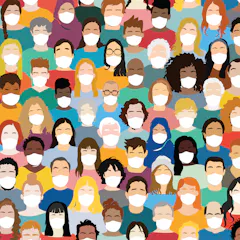
Medicine works better when the treatments are tailored to fit each individual person’s biology and history. A first step is increasing diversity in clinical trials, but the end goal is precision medicine.

Taking into consideration the number of excess deaths caused by COVID-19 compared with pre-pandemic years is critical to getting an accurate accounting of the pandemic’s real toll.
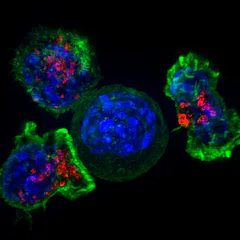
Immunotherapy has the potential to eliminate tumors, but works best for select patients. Engineering T cells to bypass cancer’s defenses could help expand treatment eligibility to more patients.
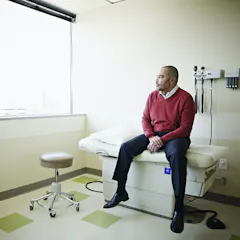
Men, older adults, people with language barriers and racial and ethnic minorities are less likely to be screened for depression.

A transcript of an episode of The Conversation Weekly published on September 29, 2022.

Today’s psychedelics researchers still have to deal with the fallout of the decadeslong freeze on research. Listen to ‘The Conversation Weekly’ podcast.

The fall of Roe v. Wade will result in more people deciding to privately end a pregnancy, a new study finds. But how often people will turn to safe versus unsafe options remains to be seen.
Authors
-

Professor Emeritus of Social Behavioral Sciences, University of California, San Francisco
-
épidémiologiste, University of California, San Francisco
-
Assistant Professor of Humanities & Social Sciences, University of California, San Francisco
-
Assistant Professor, Institute for Health & Aging, University of California, San Francisco
-
Professor of Sociology, University of California, San Francisco
-
PhD Candidate in Public Health, University of California, San Francisco
-
Associate Professor of Dermatology, University of California, San Francisco
-
Professor, Department of Bioengineering and Therapeutic Sciences; Director, Institute for Human Genetics, University of California, San Francisco
-
Professor Emeritus of Psychiatry, University of California, San Francisco
-
Associate Professor, Pediatric Orthopaedics and Sports Medicine, University of California, San Francisco
-
Associate professor, University of California, San Francisco
-
Senior Attending Physician in Occupational Health, University of California, San Francisco
-
Associate Professor of Obstetrics, Gynecology and Gynecologic Surgery, University of California, San Francisco
-
Professor of Obstetrics, Gynecology & Reproductive Science, University of California, San Francisco
-
Professor of Physiology, Kavli Institute for Fundamental Neuroscience, University of California, San Francisco