

Audio recordings of the secret lives of the Canada lynx demonstrate the value of technology in monitoring wildlife.
University of Alberta

The University of Alberta in Edmonton is one of Canada’s top teaching and research universities, with an international reputation for excellence across the humanities, sciences, creative arts, business, engineering, and health sciences. Home to 39,000 students and 15,000 faculty and staff, the university has an annual budget of $1.84 billion and attracts nearly $450 million in sponsored research revenue. The U of A offers close to 400 rigorous undergraduate, graduate, and professional programs in 18 faculties on five campuses—including one rural and one francophone campus. The university has more than 275,000 alumni worldwide. The university and its people remain dedicated to the promise made in 1908 by founding president Henry Marshall Tory that knowledge shall be used for “uplifting the whole people.”
Links
Articles

Palliative care is about living well and meeting patients’ goals, but referral can be more complex than access to medical assistance in dying (MAID). Palliative care should be as accessible as MAID.

Setiap pecahan plastik memulai perjalan yang unik begitu mencapai laut. Kami mencoba untuk menemukan polanya.

A recent declaration of a river as a legal person in Canada recognizes Indigenous laws and governance, and champions people as the guardians of nature.

Wildfire smoke is both inevitable and largely unpredictable. We need to change our activities and behaviours to limit exposure to wildfire smoke and protect health.
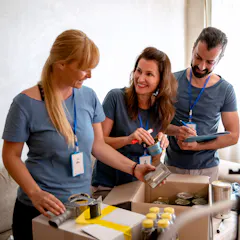
More than most other countries, the non-profit sector in Canada relies on government funding. Yet there is a shocking lack of transparency.

The recent discovery of fragments of a jaw fossil show that at one point, herbivorous reptiles evolved highly complex and efficient teeth.

Taxi drivers and Uber drivers perform the same work, but Uber’s categorization as a tech company has contributed to the historical stigma against taxi drivers.

The trial of Derek Chauvin for the murder of George Floyd reveals a broken system of policing. The guilty verdicts should be a starting point for fundamental and meaningful change.

The continued killings of Black people at the hands of the police in the United States has contributed to an environment of continued marginalization and oppression.

Necessity truly can be the mother of invention. A new university president explains how the pandemic forced massive changes at his institution — and why smart use of technology was invaluable.

Rights-based pressure on China over its treatment of Uyghurs is necessary, but other nations could also present best practices for the ethical treatment of racialized minorities in their own countries.

Many researchers may lack resources to guide them in conducting research that is equitable, inclusive and respectful of diverse Indigenous knowledge, ethics, practice and research sovereignty.

Cross-partisanship co-operation among political leaders doesn’t neatly translate into a similar consensus among the Canadian public, including those with disabilities or chronic health conditions.

Each bit of plastic takes a unique journey once it reaches the ocean. We’re trying to spot the patterns.

Canadians for the most part have been well served with dispassionate professional judgements about matters of public interest, except when it comes to what kids learn at school.

Expanding access to medical assistance in dying (MAID) to those not terminally ill puts vulnerable people at risk of feeling pressured into MAID, and doctors at risk of being forced to facilitate it.

Some downplay seemingly ridiculous white nationalist groups like the Boogaloo Boys at our peril. Looking back at a successful coup engineered by the Ku Klux Klan in Oklahoma shows us why.

People in high-risk groups are already more likely to be experiencing negative mental health effects during the pandemic. Spending the holidays isolated from family and friends may make matters worse.

Academics and others concerned with benefitting from peer professional collaboration can use COVID-19 disruptions as an opportunity to improve conferences through smart design.
Authors
-

Professor, Musicology, University of Alberta
-
Professor Popular Music and Media Studies, University of Alberta
-
Director Community Service-Learning, University of Alberta
-
Professor, Department of Earth and Atmospheric Sciences, University of Alberta
-
Postdoctoral Fellow in Ecology, University of Alberta
-
Professor Emerita, Augustana - Sciences, University of Alberta
-
Assistant Professor, Faculty of Education, University of Alberta
-
Professor, Political Science, University of Alberta
-
Professor of Educational Psychology, University of Alberta
-
Assistant Lecturer, Alberta School of Business, University of Alberta
-
Professor of Sociology, University of Alberta
-
Adjunct Assistant Professor, Media and Technology Studies, and Director of the Feminist Collaboratory and Data Visualization Centre, University of Alberta
-
Professor in Political Science, University of Alberta
-
Graduate Research Fellow, Biological Sciences, University of Alberta
-
M.D. Candidate, University of Alberta