
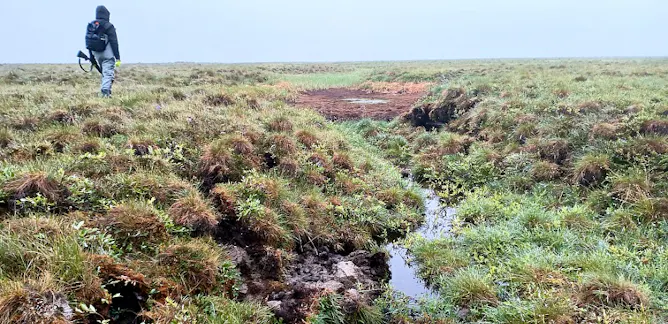
The abrupt disappearance of a lake is one clear sign that the ice below is melting, and a clue to wider permafrost changes.
University of Alaska Fairbanks

Here at the University of Alaska Fairbanks, as wisdom passes from one generation to the next, revolutionary ideas are thriving and a new academic culture is taking shape.
With undergraduates making up 89 percent of the total student body, UAF is a hotbed of diversity and fresh thinking. Whether you’re returning to school to start a new phase of your life or coming in as a recent high school graduate, you’ll quickly make new friends with a similar drive to achieve. And, because our backyard is the vast environmental laboratory of Alaska, UAF attracts exceptional individuals — academic superstars and adventure-seekers alike.
With seven campuses across the state, we are home to more than 11,000 students from all over the world — each in pursuit of something extraordinary.
Links
Articles

The tsunami struck just 12 hours after a cruise ship had left the fjord, rattling the tourism industry.
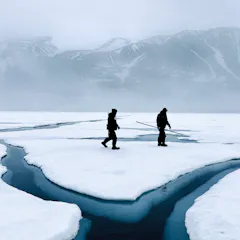
The 20th anniversary of the annual report tracks how sea ice, snow cover and many other vital signs of the Arctic have changed, and the impact that’s having on people and wildlife.
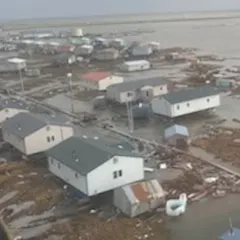
L’ex-typhon Halong a frappé de plein fouet l’ouest de l’Alaska, inondant des villages isolés et révélant la vulnérabilité de cette région face au réchauffement climatique.
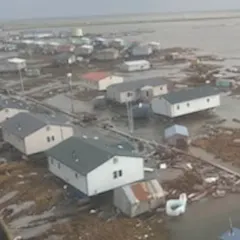
‘As the storm approached Alaska, everything went sideways,’ leaving people no time to evacuate and little time to prepare. An Alaska meteorologist explains what happened and the challenges ahead.
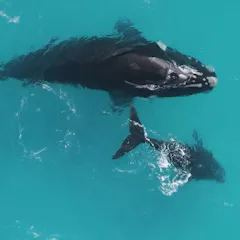
These marine mammals are still feeling the effects of whaling. For most species, it may be another 100 years before there are enough old whales for scientists to confirm their lifespans.
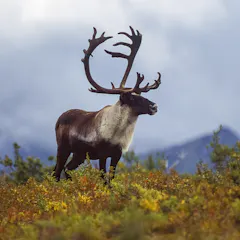
Rapid changes underway in the Arctic affect the region’s people and wildlife, and the entire planet.
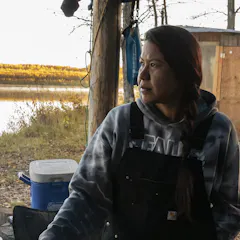
The early heat melted snow and warmed rivers, heating up the land and downstream ocean areas. The effects harmed salmon fisheries, melted sea ice and fueled widespread fires.
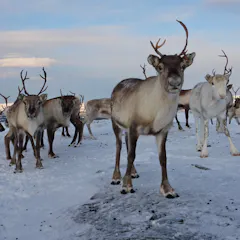
The annual report is also a reminder that what happens in the Arctic affects the rest of the world.
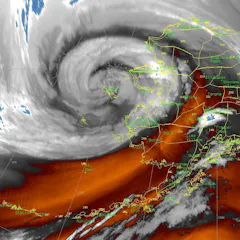
Most of the flooded communities are Indigenous and rely on subsistence hunting that residents would normally be doing right now. Recovering from the damage will make that harder.
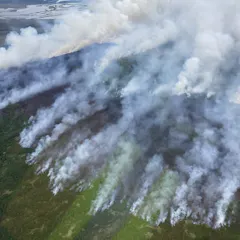
Fires today are hotter and more destructive, thanks in part to a warming climate.
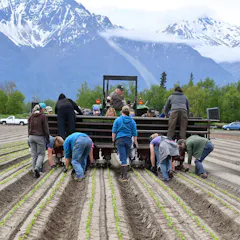
Homegrown tomatoes and corn in Alaska? Climate change could make it possible in the 2030s and ‘40s – a rare silver lining for this fast-warming state.

Sea ice is thinning at an alarming rate. Snow is shifting to rain. And humans worldwide are increasingly feeling the impact of what happens in the seemingly distant Arctic.
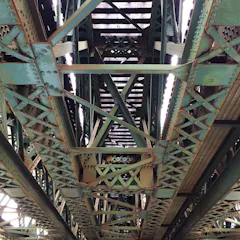
What will the US$1.2 trillion infrastructure bill pay for? Here are some of the things it will help build, fix or remove.

Alaska is warming faster than any other U.S. state, and that’s causing problems, a team of bridge engineers and social scientists explains. The infrastructure bill in Congress would offer some help.

A researcher based in Fairbanks, Alaska, links 2019’s record-breaking wildfires in far northern regions of the world to climate change, and describes what it’s like as zones near her city burn.

Climate change is shrinking Arctic sea ice and opening the region to ship traffic. Whales, seals and other marine mammals could be at risk unless nations adopt rules to protect them.
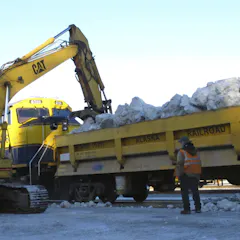
For everyone from traditional hunters to the military, the National Park Service to the oil industry, climate change is the new reality in Alaska. Government, residents and businesses are all trying to adapt.
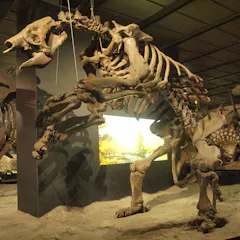
A burst of wet weather could have helped to kill off mammoths and other large herbivores, by transforming much of the world’s grasslands into bogs and forests and depriving megafauna of food.
Authors
-

Affiliated Professor in Arctic Hydrology, University of Alaska Fairbanks
-
Research Assistant Professor, University of Alaska Fairbanks
-
Research Assistant Professor, International Arctic Research Center, University of Alaska Fairbanks
-
Research Seismologist, Alaska Earthquake Center, University of Alaska Fairbanks
-
Associate Professor of Quantitative Ecology, University of Alaska Fairbanks
-
Professor, University of Alaska Fairbanks
-
Director of the Alaska Earthquake Center and State Seismologist, University of Alaska Fairbanks
-
Research assistant professor, University of Alaska Fairbanks
-
Alaska Climate Specialist, University of Alaska Fairbanks