

Al-Shabaab’s evolution over nearly two decades has been centred around three major goals.
University of Alabama

The University of Alabama is a student-centered research university and an academic community united in its commitment to enhancing the quality of life for all Alabamians.
Founded in 1831 as Alabama’s first public college, The University of Alabama is dedicated to excellence in teaching, research and service. It provides a creative, nurturing campus environment where students can become the best individuals possible, can learn from the best and brightest faculty, and can make a positive difference in the community, the state and the world.
Links
Articles

Adopted in 1949, India’s original constitution has withstood the test of time to help shape the world’s largest democracy. But as India hits turbulent time, so does its landmark constitution.
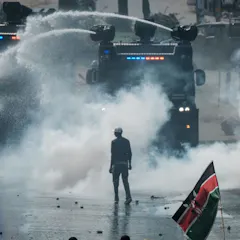
Our research found that Kenyan students dislike ethnic-based politics in principle, but feel the pressures of tribalism.
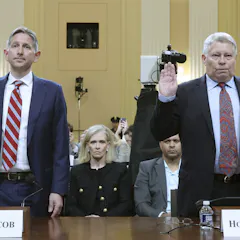
Today’s media landscape is a far cry from the days of Watergate. A media scholar looks at the challenge the Jan. 6 committee faces in getting the hearings to break through in the age of TikTok.
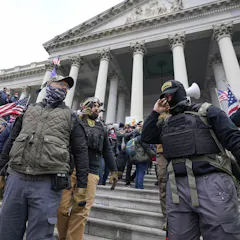
White supremacist groups seek to solidify their control over the US by changing the government, sometimes by violence.

Elon Musk has an idea of what ails Twitter and what needs to be done to fix it. The problem is his assumptions are wrong.
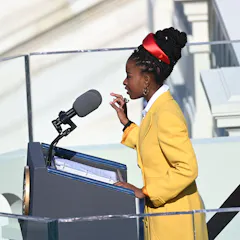
Poetry can unite people when all seems lost. The Conversation US has pulled together four articles from its archives that speak on the power of poetry.

How do a country and its citizens deal with the trauma of a deadly invasion by an enemy? Memes, cats and TikToks are emerging – most recently in the Ukraine war – as a way to cope with tragedy.

For the first 12 months of the pandemic, a team of researchers tracked the relationship between emotions, time perception and health-related behaviors like wearing a mask.
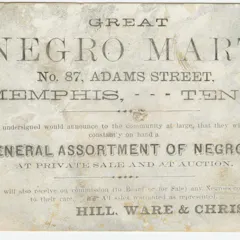
By the time slavery ended, over 1 million enslaved people had been forcibly moved in the domestic slave trade across state lines. Hundreds of thousands more were bought and sold within states.

Gifted education has long faced accusations of being elitist and excluding students of color. Will new changes prepare more students for elite colleges, or will they water down current curriculums?
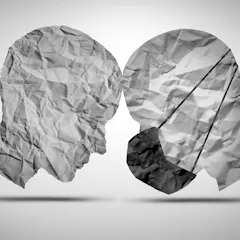
Multiple factors determined whether or not individual Americans adopted COVID-19 safety measures, according to statistical analysis of public opinion data.

People who haven’t gotten vaccinated for COVID-19 often have complex reasons for their relunctance or may face other barriers. Lumping them all together undercuts the vaccination campaign.
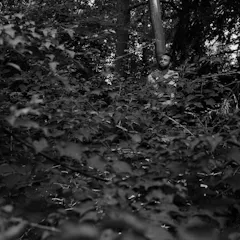
Three decades after poet Frank X. Walker coined the term ‘Affrilachia,’ the region’s poets and artists continue to create work that probes the world of a people long ignored.
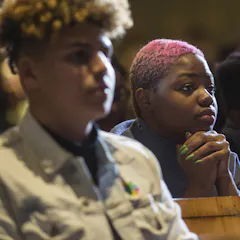
Teacher referrals will replace standardized testing. That could disadvantage already-underrepresented students.
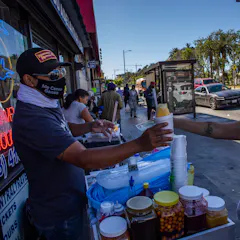
Statistical models debunk claims by Trump and others that undocumented immigration into the U.S. increases crime, building on a litany of past research.
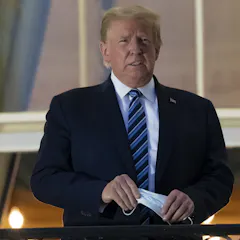
Research and a recent campaign rally show how political leaders’ rhetoric can shape risk perceptions among their loyal followers.
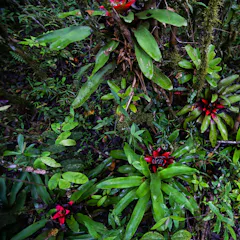
The effect of a warmer climate on ecosystems and large and small vertebrates is being widely studied. But warmer temperatures seem to alter the microbes that live in and on these animals and plants.

Millions of Muslims travel to Karbala in Iraq for one of the largest annual pilgrimages. The pilgrimage has adapted and changed over its centuries-old history.

Students with exceptional spatial skills should be eligible for gifted and talented services and given personalized support. But many schools fail to identify and engage these children.
Authors
-

Assistant professor, University of Alabama
-
Assistant Professor of Literacy Education, University of Alabama
-
PhD Student in Psychology, University of Alabama
-
Assistant Professor, University of Alabama
-
Assistant Professor - University of Alabama & Harvard BKC Faculty Associate, University of Alabama; California State University, San Bernardino; Harvard University
-
Instructor of Gender & Race Studies, University of Alabama
-
Associate Professor of Educational Studies, University of Alabama
-
Professor of History, University of Alabama
-
Associate Professor of Communication Studies, University of Alabama
-
Associate Professor of Philosophy, University of Alabama; Institute for Humane Studies
-
Assistant Professor of Mathematics, University of Alabama
-
Associate Professor of Criminology and Criminal Justice, University of Alabama
-
Associate Professor of Law, University of Alabama
-
Associate Professor of Geography, University of Alabama
-
Associate Professor of Educational Psychology, University of Alabama