

A new report counts the social costs of pharmaceutical opioid misuse and illegal opioid use in Australia for 2015/2016. The numbers are fairly grim.
University of Adelaide

The University of Adelaide unites and serves those striving to change the world—and themselves—for the better. It’s a place where history is made.
Established in 1874, we’re home to over 29,000 students and 3,000 staff, all working to create progress. For our community. For all.
This is a university of outstanding quality—ranked among the top 1% globally—in the heart of Australia’s most liveable city*.
We’ve made a habit of breaking new ground. We were Australia’s first university to welcome female students. The first to offer degrees in science and business. The first with a conservatorium of music.
Among those who’ve studied, taught, or conducted research here are five Nobel Laureates; Australia’s first female prime minister; the first Australian astronaut to walk in space; Australia’s first female Supreme Court judge.
And our bold spirit continues to drive us to excel today. In research, we’re rising to challenges in a huge range of fields—with work universally rated world-standard or above. While in education, we’re recognised among the top 100 universities globally in 23 different subject areas†.
We can’t wait to see what’s next.
*Economist Intelligence Unit, 2021. Excellence in Research Australia, 2018. †Total unique entries across QS World University Rankings by Subject, and Academic Ranking of World Universities by Subject, 2021.
Links
Articles
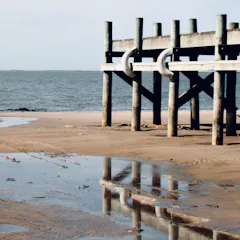
The review examined hundreds of studies and concluded the lower Murray should remain a freshwater ecosystem, or severe environmental and economic damage will result.

Australia used to prioritise family migrants over skilled workers. But now, it takes up to 21 months for partner visas to be approved – and 30 years for parents.
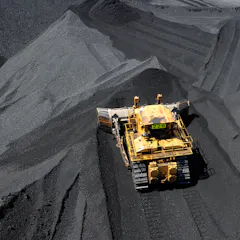
It’s more freshwater than what the population of the Greater Sydney region uses, but finding this out wasn’t easy.

A series of four live-streamed concerts from Arnhem Land offers a welcome break from bad news and a way for Indigenous musicians to share their talents with the world.
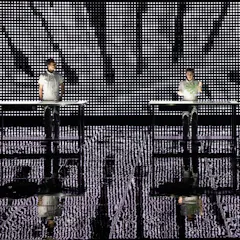
While the name of the season - now online - suggests breaking through opera’s glass ceiling, the violent imagery fits the context of ecological disaster, inequality, mental illness, and dystopia.
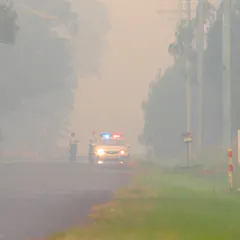
The disasters have come one after another. While they may not be entirely preventable, we can take many practical steps tailored to local needs and conditions to reduce the impacts on our cities.
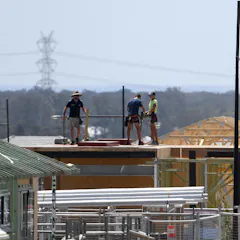
Construction employs one in ten Australians, with a broad range of skills, using mostly locally made materials. Building social housing would meet urgent social needs as well as creating jobs.
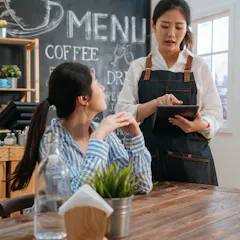
The Australian government relies on the temporary graduate visa to attract international students. But these visa recipients are left helpless as they face a loss of financial security.
The ABS is providing near real-time data like never before. It’s labour force survey remains the most authorative way of tracking the labour market.
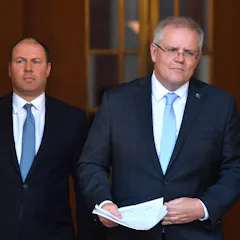
Rather than the absence of ideology, Liberals may be reverting to earlier forms of social liberalism that emphasise the common interests between labour and capital.

Many want to do the right thing – tenants and landlords alike. But they lack guidance on how to go about it while still keeping their own heads above water.
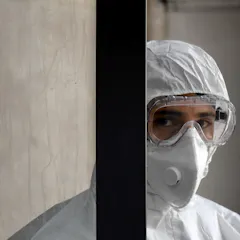
Given the market is not coping and the need for government to intervene is more apparent than ever, one might think the time for social democracy has come again. The reality, though, is not so simple.

Family violence issues are likely to be exacerbated by the COVID-10 pandemic. Lockdown can especially affect women and children who may wish to escape an abusive relationship or receive support.
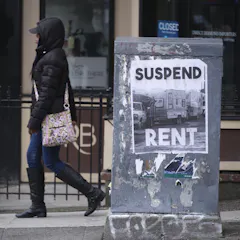
Australia’s renters have been given a six-month moratorium from evictions for not paying rent. Some states and territories are offering other assistance.

We asked more legal experts to help shed some light on what the coronavirus rules in their state or territory might mean for residents there.

Some architects don’t like the look of automatic doors, but that is hardly a reason not to mandate their use, given their safety.
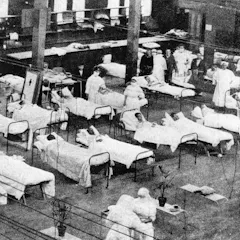
COVID-19 presents a social as well as a medical crisis, and we will need many different kinds of expertise to survive it

Meratakan kurva adalah istilah lain untuk memperlambat penyebaran. Epidemi ini diperpanjang, tapi kita mengurangi jumlah kasus parah.

Currently, the number of confirmed global COVID-19 cases is doubling about every six days. At this rate, Australia’s health sector will be unable to cope.
Authors
No experts from University of Adelaide have registered yet.