
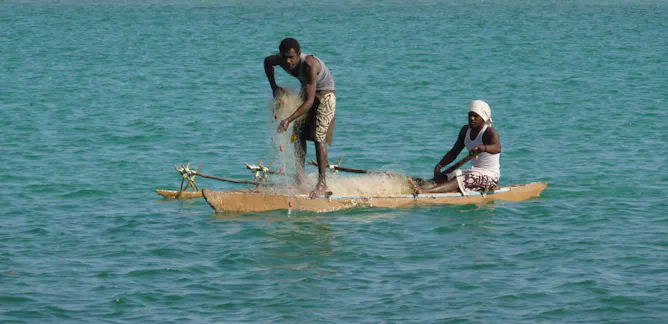
Ambae islanders combine their ecological observations with scientific data to develop an early-warning system to predict where and when fish become contaminated.
The University of the South Pacific

The University of the South Pacific is the premier institution of higher learning for the Pacific region, uniquely placed in a region of extraordinary physical, social and economic diversity.
Established in 1968, USP is one of only two universities of its type in the world. It is jointly owned by the governments of 12 member countries: Cook Islands, Fiji, Kiribati, Marshall Islands, Nauru, Niue, Solomon Islands, Tokelau, Tonga, Tuvalu, Vanuatu and Samoa. The University has campuses in all member countries. The main campus, Laucala, is in Fiji. The Alafua Campus in Samoa is where the School of Agriculture and Food Technology is situated, and the Emalus Campus in Vanuatu is the location for the School of Law.
Links
Articles
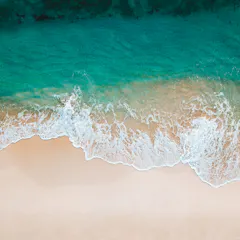
The ocean has been buffering us from the impacts of climate change, but it is reaching the limit of this capacity. Integrating ocean and climate policy will be crucial.
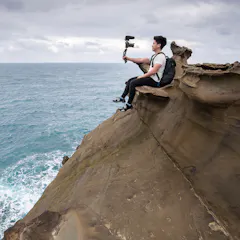
There is no particular ‘type’ of stupid person. Anyone can behave stupidly, especially in unfamiliar environments.
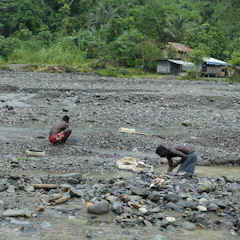
This mine has destroyed thousands of lives and livelihoods in Bougainville, an island in Papua New Guinea. It’s time Rio Tinto cleaned up its mess.
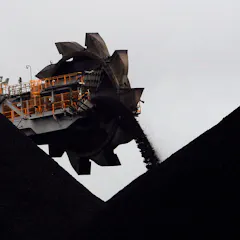
As Australia looks to expand the coal industry at home, it’s also ramping up regional diplomacy aimed at avoiding condemnation by those at the front line of climate change.
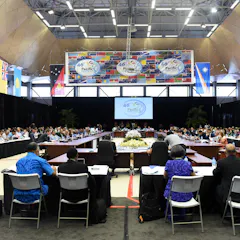
This week’s Pacific Islands Forum is the region’s premier multilateral summit. But members have begun turning elsewhere out of frustration with Australia’s climate negotiation tactics.
