

Ukraine’s constitutional democracy requires any peace deal to be ratified by its people. If they are ignored, a stable peace deal is far less likely.
The University of Melbourne

The University of Melbourne is a global leader in higher education. Across our campuses we convene brilliant minds from different disciplines and sectors to come together to address important questions and tackle grand challenges. In a disrupted world, that capacity has never been more important.
Our vision is to equip our students with a distinctive, future-facing education personalised around their ambitions and needs, enriched by global perspectives and embedded in a richly collaborative research culture. As active citizens and future leaders, our students represent our greatest contribution to the world, and are at the heart of everything we do.
We serve society by engaging with our communities and ensuring education and research are inspired from the outset by need and for the benefit of society, while remaining committed to allowing academic freedom to flourish. In this, we remain true to our purpose and fulfil our mission as a public-spirited organisation, dedicated to the principles of fairness, equality and excellence in everything we do.
We strive for an environment that is inclusive and celebrates diversity.
Beyond our campuses we imagine an Australia that is ambitious, forward thinking and increasing its reputation and influence globally. We are committed to playing a part in achieving this – building on our advantageous location in one of the world’s most exciting cities and across the state of Victoria, in a region rapidly becoming a hub for innovative education, research and collaboration.
Links
Articles
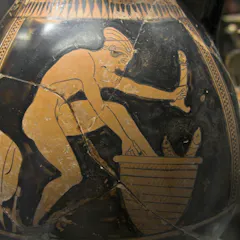
The recently discovered 2,000 year old Roman dildo barely makes a dint in the long-standing history of sex-toys and aids.
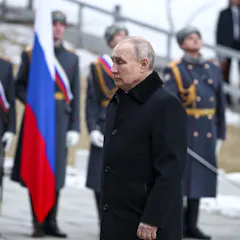
A new book argues the war against Ukraine is an escalation of an ongoing hybrid war of ‘Russia’ against ‘the West’ – and that only ‘real and credible force’ will make Putin step back from aggression.
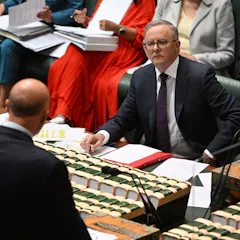
Latest polling shows some of the gloss coming off federal Labor and Anthony Albanese - but they are still well ahead of the opposition.

One-third of local councils have rules to stop pet cats roaming because of their major impacts on wildlife. More councils want to get on board but many are hampered by state laws.
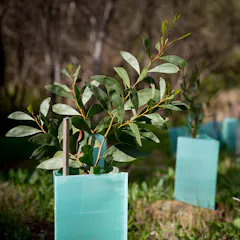
Offering ‘carrots’ like biodiversity credits to landholders won’t stop natural collapse. Banning land clearing and stronger environmental laws are much more likely to work.

Calls have erupted to cancel two writers from Adelaide Writers’ Week – including from South Australia’s Opposition leader. Why? And are they justified? Denis Muller weighs the evidence.
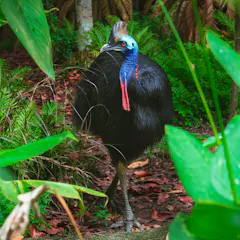
Dozens of species have been coaxed back from oblivion, with fenced havens, conserved habitat, islands and feral predator control vital.
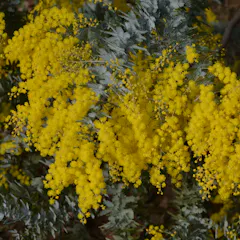
From pine trees to camphor laurel and even the Cootamundra wattle, trees can be weeds too.
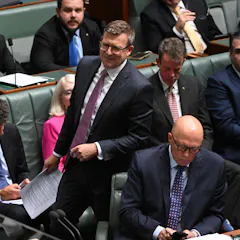
The resignation of Alan Tudge paves the way for a byelection in the outer-Melbourne seat, which history shows the Liberal Party is likely to hold.
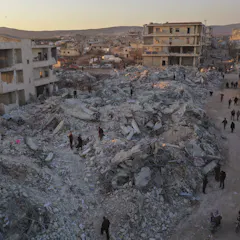
Politics stood in the way of a humanitarian response that could have saved hundreds, if not thousands, of lives.
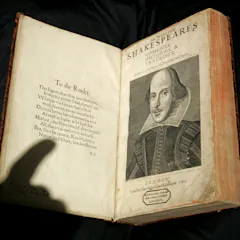
In the First Folio, 18 of Shakespeare’s plays were published for the first time. With its appeals to patronage and commerce, and praise of his wit, this iconic book preserved the playwright’s genius.
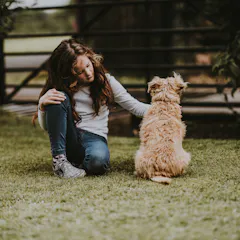
Many of us grew up not talking about emotions. But as modern parents, we’re told we need to teach our children about their feelings to build their resilience. So how do we do it?
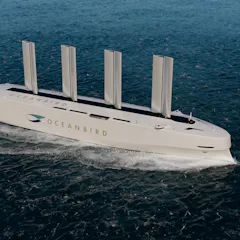
A growing source of global emissions is the ships that carry most of the goods we consume. A 21st-century generation of cargo ships propelled by the wind can reverse this unsustainable trend.
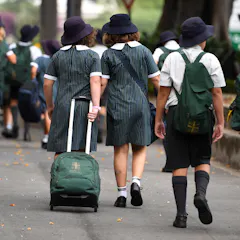
NAPLAN testing has been brought forward from May to March and results will be reported against just four levels of achievement.
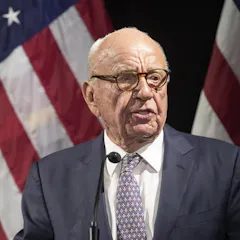
News Corps announcement that it would cut 1 in 20 jobs is bad news for journalism, but does not necessarily mean the end of the company’s papers.
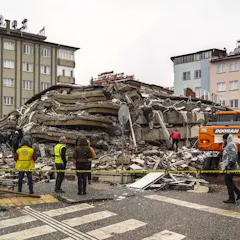
Banyak bangunan di Turki yang runtuh tampaknya dibangun dari beton tanpa penguatan seismik yang memadai.

From February 20, adults who haven’t had a COVID infection or COVID vaccine dose in the past six months are eligible for a booster, irrespective of how many previous doses they’ve had. So why get one?

The State of Knowledge Report on Violence Perpetration, released today, reviews the current data and research on who perpetrates domestic, family, and sexual violence.
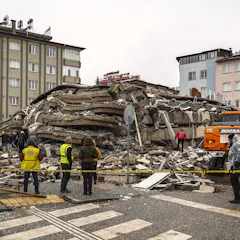
Cuando se produjo el terremoto del lunes, muchos edificios mal construidos colapsaron en “modo panqueque”.
Authors
-

Election Analyst (Psephologist) at The Conversation; and Honorary Associate, School of Mathematics and Statistics, The University of Melbourne
-
Guest Research Fellow, School of Computing and Information Systems, The University of Melbourne
-
Professor of Sociology of Law and Deviance, Università di Bologna; University of Essex; The University of Melbourne
-
McKenzie Research Fellow, The University of Melbourne
-
Research assistant, Movember Institute of Men's Health, The University of Melbourne
-
Senior Research Associate, School of Agriculture, Food and Ecosystem Sciences, The University of Melbourne
-
Paleontologist, The University of Melbourne
-
Senior Lecturer, Centre for Advancing Journalism, The University of Melbourne
-
Research Fellow, Centre for Youth Mental Health, The University of Melbourne
-
Deputy Vice-Chancellor (Global, Culture and Engagement), The University of Melbourne
-
Emeritus professor, History, The University of Melbourne
-
Professor of Health Economics, The University of Melbourne
-
Associate Professor and Head, Behavioural Neuropharmacology Laboratory, The University of Melbourne
-
Lecturer in History, The University of Melbourne
-
Associate Professor, Centre for Youth Mental Health, The University of Melbourne