

Melbourne’s Innovation Districts were launched a few years ago, but the impacts of COVID-19 have added urgency to having places to trial new ways of urban living.
The University of Melbourne

The University of Melbourne is a global leader in higher education. Across our campuses we convene brilliant minds from different disciplines and sectors to come together to address important questions and tackle grand challenges. In a disrupted world, that capacity has never been more important.
Our vision is to equip our students with a distinctive, future-facing education personalised around their ambitions and needs, enriched by global perspectives and embedded in a richly collaborative research culture. As active citizens and future leaders, our students represent our greatest contribution to the world, and are at the heart of everything we do.
We serve society by engaging with our communities and ensuring education and research are inspired from the outset by need and for the benefit of society, while remaining committed to allowing academic freedom to flourish. In this, we remain true to our purpose and fulfil our mission as a public-spirited organisation, dedicated to the principles of fairness, equality and excellence in everything we do.
We strive for an environment that is inclusive and celebrates diversity.
Beyond our campuses we imagine an Australia that is ambitious, forward thinking and increasing its reputation and influence globally. We are committed to playing a part in achieving this – building on our advantageous location in one of the world’s most exciting cities and across the state of Victoria, in a region rapidly becoming a hub for innovative education, research and collaboration.
Links
Articles
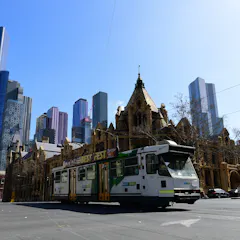
We asked an epidemiologist, an academic who researches sharehouses and a philosopher to reflect on Victoria’s new coronavirus rules.
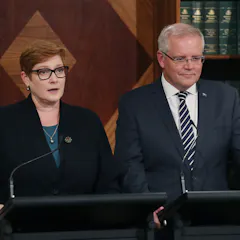
The proposed bill represents a massive over-reach that will do far more harm than good.
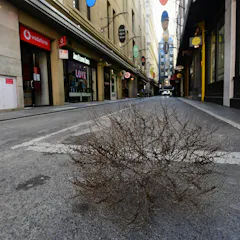
Relaxing restrictions too soon would only cost more jobs in the long run.
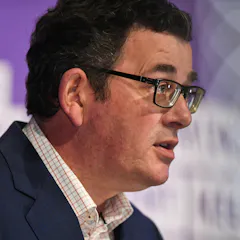
Researchers created an artificial society inside a computer to model what would happen to virus transmission under different policies. It helped inform Victoria’s exit strategy.
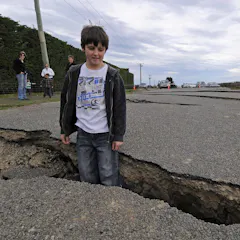
We might not be able to predict the next big earthquake, but we can make sure we’re ready for it and understand the risks.

Children who ‘passively’ use screens are more likely to suffer academically, a study found. But there was no evidence of a link between video games and academic performance.
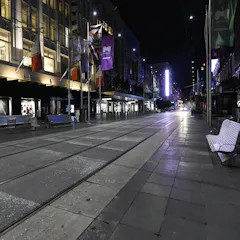
While the focus has been on containing ‘hot spots’ of COVID-19 outbreaks, understanding why some areas have few or no cases could point the way to a staged reopening that starts with these areas.

We’ve discovered a new protein produced by the liver, and found it helps control blood sugar levels in mice. This could revolutionise the way we treat type 2 diabetes in the future.
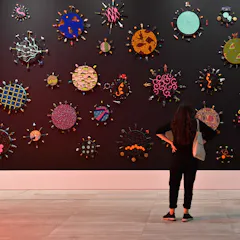
After seven months of waiting for a support package, artists can finally apply for funding. But with ministerial sign-off, the guidelines don’t instil hope.
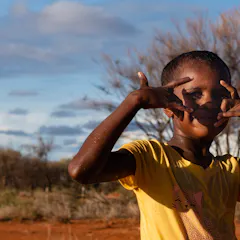
Our study of Indigenous young people leaving out-of-home care has identified major deficits in programs designed to help them transition to adulthood.

The pandemic has caused massive disruption to cricket in Australia and revealed just how dependent many sporting organisations are on their broadcast deals.
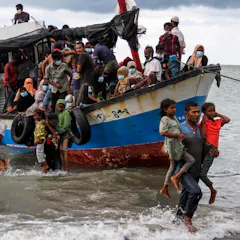
Solidaritas sesama Muslim, hukum adat, dan pengalaman konflik dan bantuan asing dapat menjelaskan mengapa orang Aceh sangat terbuka pada orang yang kesulitan.

History should give Trump reasons for optimism. The presidential elections in 1968 and 1988 provide a template for Republican victory on a law-and-order platform in 2020.
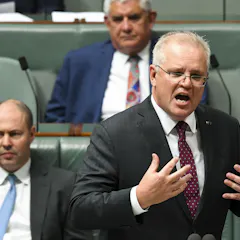
Labor had its best results in the Newspoll since late April, perhaps reflecting how people view Morrison’s handling of the aged care-coronavirus debacle.

Students in Australia and overseas are actively comparing their experiences during the pandemic. Countries that support them well will gain an edge in a competitive global education market.
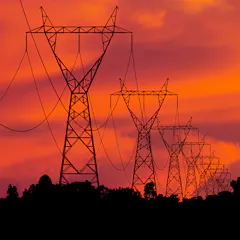
An official report on Thursday said blackouts are not expected this summer. But consumers will still have to pay through the nose to make the system more reliable.
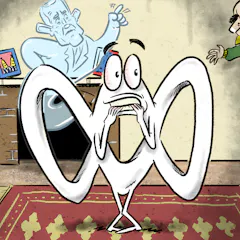
The departure of journalist Emma Alberici from the national broadcaster is the latest example of the ABC being unable or unwilling to push back against hostile governments.
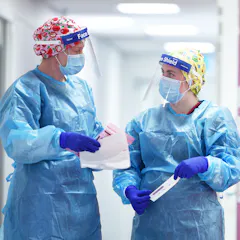
Some 70-80% of health-care workers testing positive to COVID-19 in Victoria’s second wave were infected at work, compared with 22% in the first wave.
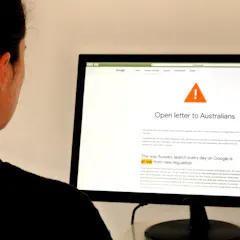
‘Suck it and see’ or face a digital tax, former ACCC boss Allan Fels warns Google and Facebook
The Conversation, CC BY41.3 MB (download)
Tech giants don't like Australia's plan to force Google and Facebook to pay for news, to fund public interest journalism. But the government may well respond with a digital tax, says Allan Fels.
Authors
-

Election Analyst (Psephologist) at The Conversation; and Honorary Associate, School of Mathematics and Statistics, The University of Melbourne
-
Research fellow, Faculty of Architecture, Building and Planning, The University of Melbourne
-
Guest Research Fellow, School of Computing and Information Systems, The University of Melbourne
-
Professor of Sociology of Law and Deviance, Università di Bologna; University of Essex; The University of Melbourne
-
McKenzie Research Fellow, The University of Melbourne
-
Research assistant, Movember Institute of Men's Health, The University of Melbourne
-
Professor of Education Futures, The University of Melbourne
-
Senior Research Associate, School of Agriculture, Food and Ecosystem Sciences, The University of Melbourne
-
Senior Lecturer, Centre for Advancing Journalism, The University of Melbourne
-
Research Fellow, Centre for Youth Mental Health, The University of Melbourne
-
Deputy Vice-Chancellor (Global, Culture and Engagement), The University of Melbourne
-
Emeritus professor, History, The University of Melbourne
-
Associate Professor and Head, Behavioural Neuropharmacology Laboratory, The University of Melbourne
-
Lecturer in History, The University of Melbourne
-
Associate Professor, Centre for Youth Mental Health, The University of Melbourne