

Temporary and tactical urbanism offers simple, low-cost solutions to make streets and other public spaces both safe and sociable during this time of physical distancing.
The University of Melbourne

The University of Melbourne is a global leader in higher education. Across our campuses we convene brilliant minds from different disciplines and sectors to come together to address important questions and tackle grand challenges. In a disrupted world, that capacity has never been more important.
Our vision is to equip our students with a distinctive, future-facing education personalised around their ambitions and needs, enriched by global perspectives and embedded in a richly collaborative research culture. As active citizens and future leaders, our students represent our greatest contribution to the world, and are at the heart of everything we do.
We serve society by engaging with our communities and ensuring education and research are inspired from the outset by need and for the benefit of society, while remaining committed to allowing academic freedom to flourish. In this, we remain true to our purpose and fulfil our mission as a public-spirited organisation, dedicated to the principles of fairness, equality and excellence in everything we do.
We strive for an environment that is inclusive and celebrates diversity.
Beyond our campuses we imagine an Australia that is ambitious, forward thinking and increasing its reputation and influence globally. We are committed to playing a part in achieving this – building on our advantageous location in one of the world’s most exciting cities and across the state of Victoria, in a region rapidly becoming a hub for innovative education, research and collaboration.
Links
Articles
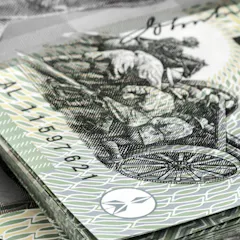
It is normally a bad idea to let super funds borrow, but these aren’t normal times. There’s a (limited) case for allowing them to borrow from the Reserve Bank.
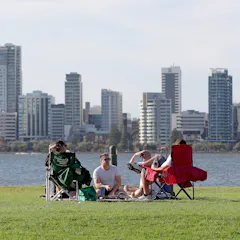
Testing and isolating cases only after they develop symptoms might not be enough to prevent further outbreaks of COVID-19. Sentinel surveillance, by testing randomly in the community, can go further.
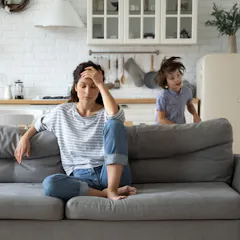
We expect a steep rise in mental health problems as a result of the pandemic. But there are ways to flatten this curve, just as we’ve flattened the curve of infections.
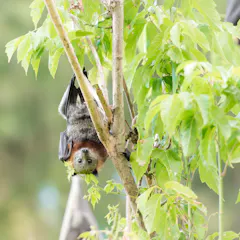
Australian bats are getting unfairly targeted. Here’s why we should be giving them a fair go instead.
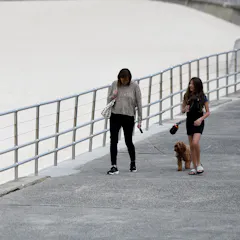
We’ve prevented many deaths, many of them at the cost of other deaths. The accounting ought to be made clear.
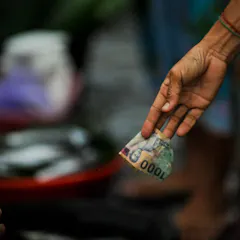
In emergencies, time is a currency. If the government fails to deliver basic income to the people, the consequences could be catastrophic.
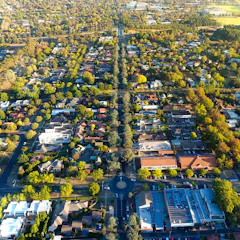
Jobkeeper is far from perfect and open to abuse. On the face of it, it supports 6.6 million wages to save 1 million jobs.
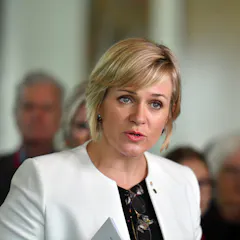
As we face mounting job losses, taxpayers have a right to anticipate that the government’s investments will be strategically sound.

Many sustainability-conscious people now find their cupboards stocked with plastic bottles of hand sanitiser, disposable wipes and takeaway food containers.
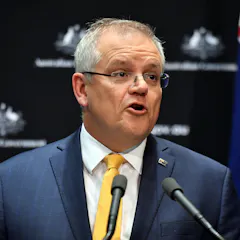
An “outlier” poll suggests most people approve of the government’s handling of the coronavirus crisis, but remain distrustful of the government’s performance more broadly.
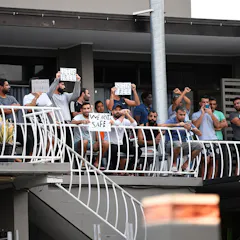
It is almost impossible for asylum seekers held in detention to practise social distancing. For their protection, and that of the wider community, the government must take action now.

The government plans to monitor sewage for the SARS-CoV-2 coronavirus. And while this holds promise to tracking future local outbreaks, there are also some sticky ethical questions to consider.
The ABS is providing near real-time data like never before. It’s labour force survey remains the most authorative way of tracking the labour market.
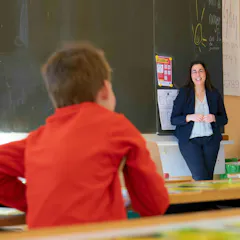
For many women, childcare has been unaffordable. Suddenly it’s free. It’s as if we have finally realised it is an essential service.

Noting nature around you – it could be a glance outside, tending plants, or ‘green’ exercise – will improve your well-being, research shows. The coronavirus pandemic has made it even more important.

Parents are children’s first and most influential educators. They can turn ordinary moments into important learning experiences.

New modelling from the Grattan Institute estimates up to 75% of people employed in the creative and performing arts could lose their jobs. Why don’t they have targeted support?

The ways the media cover health and medical issues can have a direct impact on people’s behaviour. New research shows the quality of health reporting declined as media companies contracted.
Leading Australian economists in four countries have signed an open letter calling on the national cabinet to think carefully before easing restrictions ‘for the sake of 'the economy’.
Authors
-

Election Analyst (Psephologist) at The Conversation; and Honorary Associate, School of Mathematics and Statistics, The University of Melbourne
-
Research fellow, Faculty of Architecture, Building and Planning, The University of Melbourne
-
Guest Research Fellow, School of Computing and Information Systems, The University of Melbourne
-
Professor of Sociology of Law and Deviance, Università di Bologna; University of Essex; The University of Melbourne
-
McKenzie Research Fellow, The University of Melbourne
-
Research assistant, Movember Institute of Men's Health, The University of Melbourne
-
Professor of Education Futures, The University of Melbourne
-
Senior Research Associate, School of Agriculture, Food and Ecosystem Sciences, The University of Melbourne
-
Senior Lecturer, Centre for Advancing Journalism, The University of Melbourne
-
Research Fellow, Centre for Youth Mental Health, The University of Melbourne
-
Deputy Vice-Chancellor (Global, Culture and Engagement), The University of Melbourne
-
Emeritus professor, History, The University of Melbourne
-
Associate Professor and Head, Behavioural Neuropharmacology Laboratory, The University of Melbourne
-
Lecturer in History, The University of Melbourne
-
Associate Professor, Centre for Youth Mental Health, The University of Melbourne