
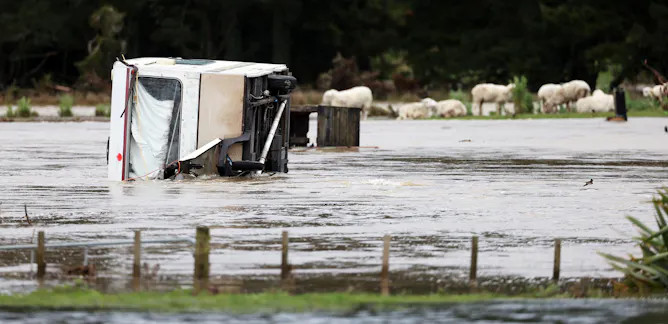
The people hardest hit by climate change are invariably those who are more vulnerable. We need to pay more attention to the root causes of vulnerability and address poverty and inequity.
Te Kunenga ki Pūrehuroa – Massey University

Te Kunenga ki Pūrehuroa Massey University is a true “University of New Zealand”, with three North Island campuses at Auckland, Manawatū and Wellington and more than 32,000 students studying either on one of the campuses or by distance learning from throughout the world.
Set up as an agricultural college in 1927 it is now a comprehensive university with qualifications in humanities and social sciences, business, creative arts, health and sciences.
Links
Articles

Both Anthony Albanese and Jacinda Ardern had successful meetings at the Pacific Islands Forum – but there is much more work to be done in the region.

SARS-CoV-2 is not the first virus to cause unexplained chronic illness, but the sheer size of this pandemic means more people will develop long COVID.

Casual or short-term contracts, a lack of professional development, little hope of career progression: a survey of academic working conditions sounds a warning.

Opposition Leader Christopher Luxon’s response shows he is willing to set aside personal values for what is politically expedient, choosing pragmatism over idealism.
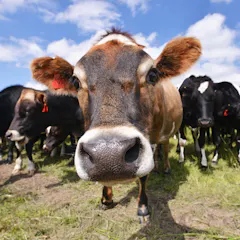
The He Waka Eke Noa partnership will require farmers to embrace strategies and technologies to reduce emissions. But there are a lot of unanswered questions about how it will work in practice.
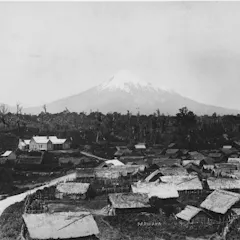
While tracing his own family’s journey from Ireland to Aotearoa New Zealand, Richard Shaw encountered how much ‘selective amnesia’ about the colonial past still shapes our lives today.

Cross-border advertising and the metaverse are pushing governments to reassess how they manage the potential harm caused by alcohol advertising. Is New Zealand doing enough?
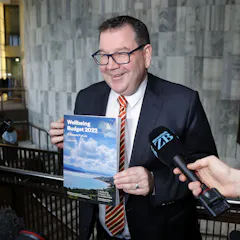
Our experts weigh up the winners and losers in a budget that had to balance an immediate cost-of-living crisis with long-term ambitions for health and climate change.
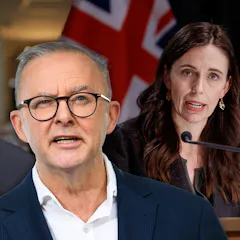
Anxious not to be easy targets for their pro-business opponents, labour parties everywhere now run on a ‘thin ideological platform’. Anthony Albanese’s ALP is no exception.
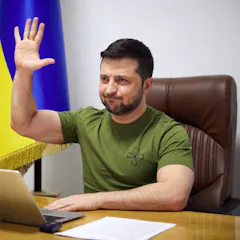
Inspirational and brave, the Ukrainian president exhibits all seven ‘virtues’ of effective crisis leadership.

Despite losing jobs, many Fijians in tourism-dependent areas reported greater well-being during the pandemic. As tourists return, what are the lessons?

With academic freedom comes moral responsibility. Men within New Zealand universities – and beyond – must challenge misogynistic abuse of their women colleagues and not stay silent.
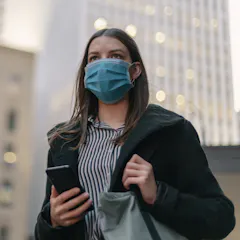
Studies show long COVID is common enough to be a major public-health threat. It can damage the brain and other organs and may remain silent during childhood but cause chronic disease in later life.

Will Rugby New Zealand’s report into culture within the Black Ferns finally be the tipping point for change – to put women at the heart of their own sports organisations?

With tourism operators desperate for the return of international visitors, the industry’s challenge now is to build a new, sustainable model.
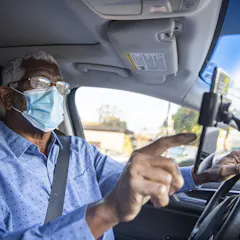
A recent study highlights the precarious world of rideshare and delivery drivers during the pandemic, and their struggle to be heard as non-unionised contractors.

David Seymour says misinterpretation of the Treaty risks creating an ‘ethno-state’. But ‘Critical Tiriti Analysis’ aims to enhance democracy by ensuring a Māori voice at the heart of policy making.

Before the pandemic, New Zealand’s emissions from domestic flights were 4.9 million tonnes of carbon dioxide, up by 43% since 2014 and the sixth highest in the world per capita.

Extreme abuse directed at Jacinda Ardern is part of a wider problem of sexism and misogyny in politics. Research suggests it may be on the increase.
Authors
-

Lecturer in Aviation Management, Te Kunenga ki Pūrehuroa – Massey University
-
Senior Research Advisor, Toi Rauwhārangi College of Creative Arts, Te Kunenga ki Pūrehuroa – Massey University
-
Senior Lecturer in Critical Popular Music Studies, Te Kunenga ki Pūrehuroa – Massey University
-
Associate Professor, School of Music and Screen Arts, Te Kunenga ki Pūrehuroa – Massey University
-
Professor of Disaster and Emergency Management, Te Kunenga ki Pūrehuroa – Massey University
-
Research associate, Te Kunenga ki Pūrehuroa – Massey University
-
Distinguished Professor of Infectious Disease Epidemiology and Public Health, Te Kunenga ki Pūrehuroa – Massey University
-
Distinguished Professor, College of Humanities and Social Sciences, Te Kunenga ki Pūrehuroa – Massey University
-
Professor of Politics, Te Kunenga ki Pūrehuroa – Massey University
-
Professor in Applied Mathematics, Te Kunenga ki Pūrehuroa – Massey University
-
Assistant Lecturer in Politics and International Relations, Te Kunenga ki Pūrehuroa – Massey University
-
Professor in Indigenous and International Development, Te Kunenga ki Pūrehuroa – Massey University
-
Public Health Researcher, Te Kunenga ki Pūrehuroa – Massey University
-
Research Officer in Drug Policy, SHORE & Whariki Research Centre, Te Kunenga ki Pūrehuroa – Massey University
-
Professor of Organisational Studies, Te Kunenga ki Pūrehuroa – Massey University