
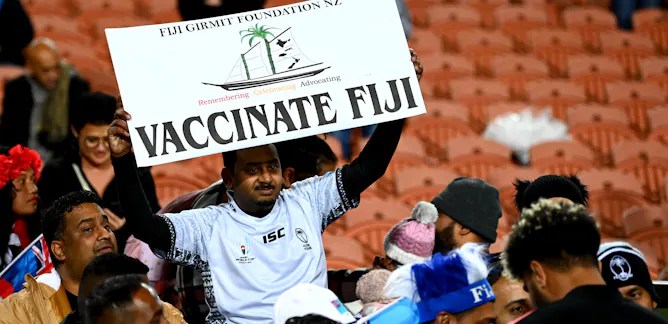
With COVID-19 surging and the state resisting a lockdown, Fijians turn to ‘solesolevaki’ — working together for a common cause — to fill the gaps.
Te Kunenga ki Pūrehuroa – Massey University

Te Kunenga ki Pūrehuroa Massey University is a true “University of New Zealand”, with three North Island campuses at Auckland, Manawatū and Wellington and more than 32,000 students studying either on one of the campuses or by distance learning from throughout the world.
Set up as an agricultural college in 1927 it is now a comprehensive university with qualifications in humanities and social sciences, business, creative arts, health and sciences.
Links
Articles
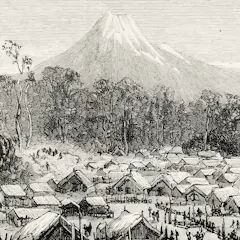
This year marks 140 years since Parihaka pā was sacked. As He Puapua reignites the debate about the impacts of colonisation, how do the descendants of early European settlers respond?

It will take another 67 years to close the gender gap in news, according to the latest global survey of women in the media.
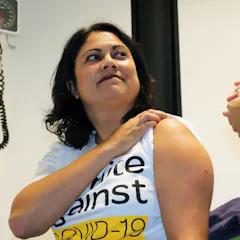
The latest survey shows COVID-19 vaccine acceptance is at 81%, but it suggests low reach for the government’s vaccination ads, with only four in ten people saying they’ve seen them on television.

A proposed global plan to close cross-border tax loopholes compares poorly to a digital services tax imposed by individual countries.
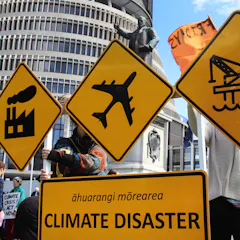
Consider Ireland. Like New Zealand, it has high agricultural emissions and a poor climate track record so far, but it has adopted much stronger targets to cut emissions by 51% between 2018 and 2030.

Recent allegations of cheating by university students in online exams suggest the students are adapting faster than the education system itself – and that should change.
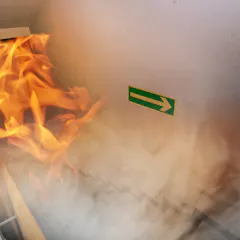
Researchers are using mixed reality technologies to investigate how people behave in in emergency situations. The findings are helping shape disaster responses.
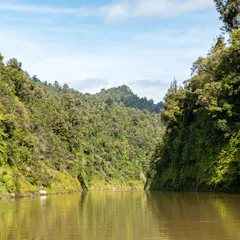
The Māori world view provides a viable framework for building a new tourism model that prioritises quality over quantity.
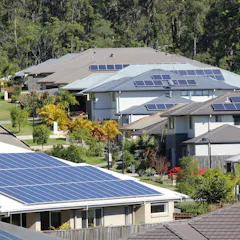
New research found lots of incentives to chuck out working solar panels and replace them with new ones. This may be creating huge amounts of unnecessary waste.
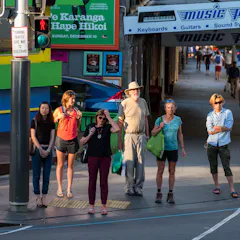
About half of New Zealand’s Māori, Pasifika and Asian populations reported experiencing more racism and discrimination since the COVID-19 pandemic, compared to about a third of European New Zealanders.

Natural gas may still be cheaper than electricity in some cases, but the price of gas is likely to rise if New Zealand follows the Climate Change Commission’s advice to shift to electrification.
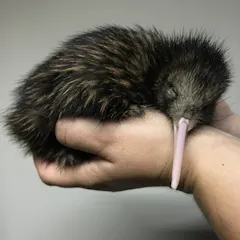
Kiwi are often moved between fragmented populations to limit inbreeding, but without sufficient genetic screening, this risks doing more harm than good.

Researchers have explored many factors that affect iron levels, including diet and exercise, but we don’t yet fully understand the role women’s reproductive hormones play in regulating iron uptake.
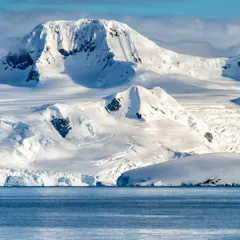
When Antarctica’s land-based ice melts, the land bounces up slightly as the weight of the ice lifts. This affects sea levels across the world, but not enough to offset sea-level rise.
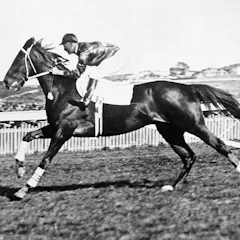
At least half of Australians and New Zealanders in a recent study believed in one major conspiracy theory.

Mainstream academic publishing presents many obstacles to Indigenous authors, especially the conventional peer review process — but there are ways to overcome this.

The New Zealand subsidiaries of major Australian banks might be highly profitable, but realising their true sale value can still be a challenge.
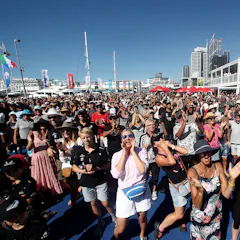
A successful COVID-19 response gave the impression of social cohesion, but New Zealand’s inter-generational fault line is rumbling.

Kiwi school kids are not consistently taught letter formation or spelling the way they once were. But these simple skills are part of the foundations of higher learning.
Authors
-

Lecturer in Aviation Management, Te Kunenga ki Pūrehuroa – Massey University
-
Senior Research Advisor, Toi Rauwhārangi College of Creative Arts, Te Kunenga ki Pūrehuroa – Massey University
-
Senior Lecturer in Critical Popular Music Studies, Te Kunenga ki Pūrehuroa – Massey University
-
Associate Professor, School of Music and Screen Arts, Te Kunenga ki Pūrehuroa – Massey University
-
Professor of Disaster and Emergency Management, Te Kunenga ki Pūrehuroa – Massey University
-
Research associate, Te Kunenga ki Pūrehuroa – Massey University
-
Distinguished Professor of Infectious Disease Epidemiology and Public Health, Te Kunenga ki Pūrehuroa – Massey University
-
Distinguished Professor, College of Humanities and Social Sciences, Te Kunenga ki Pūrehuroa – Massey University
-
Professor of Politics, Te Kunenga ki Pūrehuroa – Massey University
-
Professor in Applied Mathematics, Te Kunenga ki Pūrehuroa – Massey University
-
Assistant Lecturer in Politics and International Relations, Te Kunenga ki Pūrehuroa – Massey University
-
Professor in Indigenous and International Development, Te Kunenga ki Pūrehuroa – Massey University
-
Public Health Researcher, Te Kunenga ki Pūrehuroa – Massey University
-
Research Officer in Drug Policy, SHORE & Whariki Research Centre, Te Kunenga ki Pūrehuroa – Massey University
-
Professor of Organisational Studies, Te Kunenga ki Pūrehuroa – Massey University