
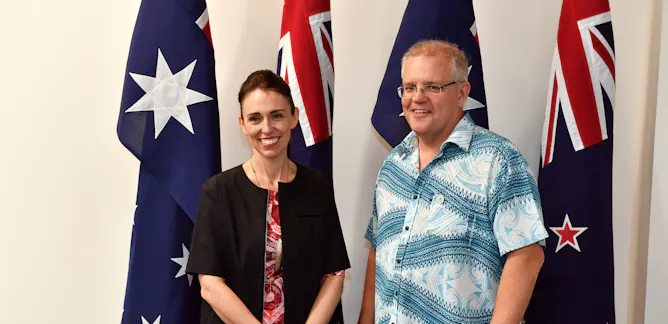
Yes, Jacinda Ardern is an intelligent, compassionate prime minister, but governing is difficult – and problems have inevitably arisen, or never gone away.
Te Kunenga ki Pūrehuroa – Massey University

Te Kunenga ki Pūrehuroa Massey University is a true “University of New Zealand”, with three North Island campuses at Auckland, Manawatū and Wellington and more than 32,000 students studying either on one of the campuses or by distance learning from throughout the world.
Set up as an agricultural college in 1927 it is now a comprehensive university with qualifications in humanities and social sciences, business, creative arts, health and sciences.
Links
Articles

New Zealand is a net exporter of many fruit and vegetables. While climate-change induced food shortages are not an imminent risk, some crops may be affected by rising temperatures and extreme weather.
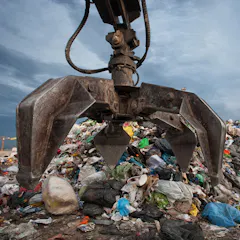
Waste-to-energy incineration has been raised as a solution to the global plastic waste problem, but the technology adds pollution and greenhouse gas emissions and encourages more waste production.

The British Psychological Society is calling for a language change, from ‘obese people’ to ‘people living with obesity’. But using the word obesity can reinforce rather than prevent stigma.

One in four New Zealanders are living with a disability. Non-disabled people think they know what disability “looks like”, and often how to help. And that can be a problem.

Teaching history is as much about facts and people as it is about contested narratives and disputed interpretations, which is why it’s time to make New Zealand history a compulsory subject at school.

The land occupation at Ihumātao, near Auckland’s airport, is reviving forms of protest common in the 1970s, now enhanced by new media and led by a new generation of Māorikeen to see grievances addressed.

Data from a workplace barometer study show more than a quarter of employees felt depressed often, a half said depression affected their lives and for 8% life was “very or extremely difficult”.

New Zealand has proposed new fuel standards, along with a consumer rebates for cleaner cars – paid for by higher costs for high-polluting cars – to cut its rising transport emissions.

Academics on casual contracts often feel vulnerable and of lower status than “permanent” staff members. They can minimise their exploitation as if it’s part of the authentic academic experience.
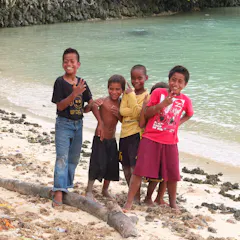
Cuba is offering a compelling example of how we can take care of each other during the climate crisis with its work training doctors on Kiribati, a nation that is being devastated by climate change.
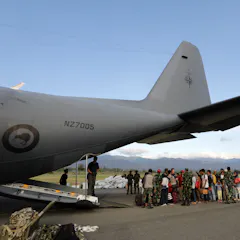
New Zealand’s coalition government has to balance strong martial and pacifist traditions. But ageing equipment and climate change will require taxpayers to fund expensive upgrades for the military.

Ladybirds do not have tails because they have no backbones.
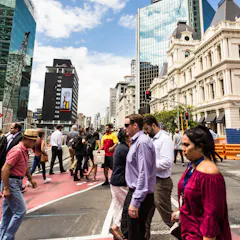
New analysis shows that if New Zealand replaced GDP with the Genuine Progress Indicator, which accounts for social and environmental costs, it would be only half as well off.
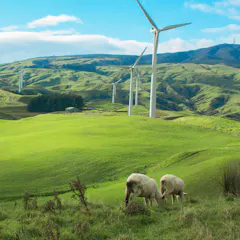
Under the New Zealand government’s well-being approach to the budget, funding that will help reduce emissions is linked with economic development and innovation.
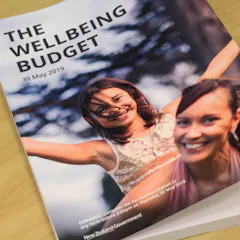
New Zealand’s government has moved away from GDP as a sole indicator of prosperity to prioritise a suite of measures that track well-being.
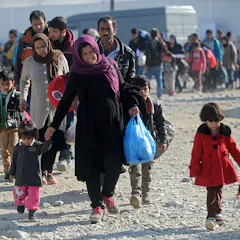
Officially, the number of migrants globally reached 258 million in 2017, increasing by 49% since 2000. But the lack of a clear definition of who is or isn’t a migrant complicates the issue.

While the “Christchurch Call” summit has made concrete progress, we need to keep up the pressure on social media companies to become more transparent and accountable.
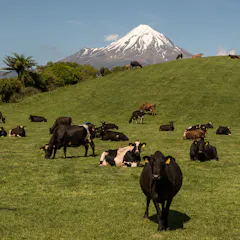
New Zealand’s government has released a bill that sets targets to bring long-lived greenhouse gases to net zero by 2050 and reduce emissions of the shorter-lived methane by 10% within a decade.

Built colonial heritage represents more than 80% of the sites on New Zealand’s national heritage list. This leaves some 700 years of Indigenous settlement significantly under-represented.
Authors
-

Lecturer in Aviation Management, Te Kunenga ki Pūrehuroa – Massey University
-
Senior Research Advisor, Toi Rauwhārangi College of Creative Arts, Te Kunenga ki Pūrehuroa – Massey University
-
Senior Lecturer in Critical Popular Music Studies, Te Kunenga ki Pūrehuroa – Massey University
-
Associate Professor, School of Music and Screen Arts, Te Kunenga ki Pūrehuroa – Massey University
-
Professor of Disaster and Emergency Management, Te Kunenga ki Pūrehuroa – Massey University
-
Research associate, Te Kunenga ki Pūrehuroa – Massey University
-
Distinguished Professor of Infectious Disease Epidemiology and Public Health, Te Kunenga ki Pūrehuroa – Massey University
-
Distinguished Professor, College of Humanities and Social Sciences, Te Kunenga ki Pūrehuroa – Massey University
-
Professor of Politics, Te Kunenga ki Pūrehuroa – Massey University
-
Professor in Applied Mathematics, Te Kunenga ki Pūrehuroa – Massey University
-
Assistant Lecturer in Politics and International Relations, Te Kunenga ki Pūrehuroa – Massey University
-
Professor in Indigenous and International Development, Te Kunenga ki Pūrehuroa – Massey University
-
Public Health Researcher, Te Kunenga ki Pūrehuroa – Massey University
-
Research Officer in Drug Policy, SHORE & Whariki Research Centre, Te Kunenga ki Pūrehuroa – Massey University
-
Professor of Organisational Studies, Te Kunenga ki Pūrehuroa – Massey University