

Reconstructing the demise of New Zealand’s extinct moa can help conserve the country’s remaining flightless birds, which are retreating to the same final places - cold, isolated mountaintops.
State University of New York College of Environmental Science and Forestry

For more than a century, ESF has been unique among institutions of higher learning in its singular focus on environmental discovery, learning, and sustainability. We offer the excellence of a small campus education in an atmosphere of big ideas. Located in a transcendent triangle, ESF simultaneously offers life in a top-20 small college city, thousands of acres of living laboratory in the Adirondacks, and easy access to New York City. For those who love the natural world, it doesn’t get any better than this.
Links
Articles

A new study shows that a time stamp can be put on mercury that accumulates in fish eyes, offering a window into their lifetime exposure.
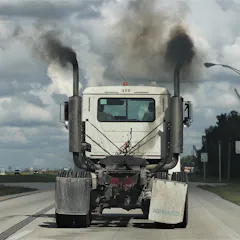
Air pollution can weaken people’s respiratory, immune and cardiovascular systems, leaving them more vulnerable when they get COVID-19.
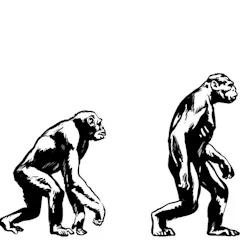
Si nos creemos las representaciones gráficas de la evolución de las especies que muestran carteles, ilustraciones y camisetas podríamos pensar que avanza como un desfile ordenado hacia una meta predeterminada. Pero no es así.
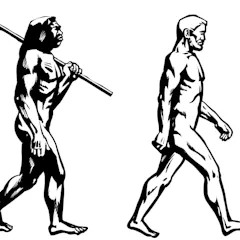
If you go by editorial cartoons and T-shirts, you might have the impression that evolution proceeds as an orderly march toward a preordained finish line. But that’s not right at all.
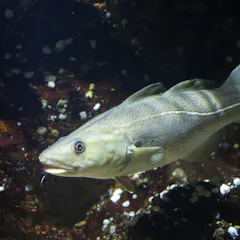
Banyak orang mungkin terkejut ketika mengetahui bahwa ikan memiliki telinga, terlebih lagi ketika mengetahui pada beberapa kasus, ikan memiliki indera pendengaran yang tajam.
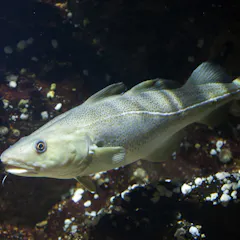
Tiny calcified formations inside fishes’ ears can be used to trace a fish’s life history – and potentially, how climate change has affected its growth and development.

Many countries collect and store rainwater for use during drought or dry seasons. But this technique is rarely used in the Caribbean, where hurricanes can leave people without water for months.

Di dunia yang semakin urban, pohon bisa memberikan perbedaan besar. Sebuah penelitian menemukan bahwa untuk setiap dollar yang diinvestasikan ketika menanam pohon akan memberi keuntungan $2,50

In an increasingly urban world, trees can make a major difference. One study found that, for every dollar invested in planting, megacities saw a $2.50 return on their investment.
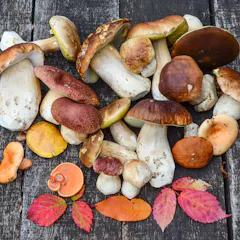
The global mushroom industry is worth $35 billion yearly and growing. But mushrooms and other fungi play important ecological roles that scientists are still learning about – and some may be endangered.
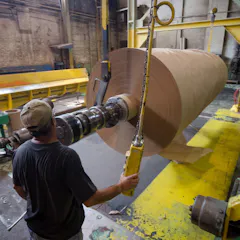
Pulp and paper production is a major industry with a large environmental footprint. Recently, though, paper companies have worked to reduce pollution and promote sustainable forestry and recycling.
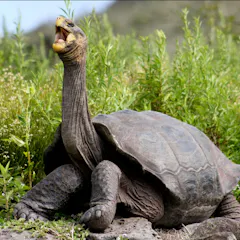
The Galapagos Islands’ giant tortoises are one of the world’s best examples of evolution. Scientists are pioneering new conservation strategies to save them from extinction and restore their habitat.

Warming waters due to climate change are losing oxygen, threatening the health of fish and ecosystems.

A fight’s breaking out over who should pay subsidies for corn ethanol, and it is consumers who may end up paying for any changes.
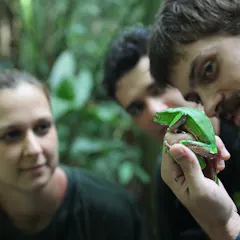
The presidential candidates should be talking about exploring and cataloguing our biosphere, which holds vital clues for how humanity should navigate the future.
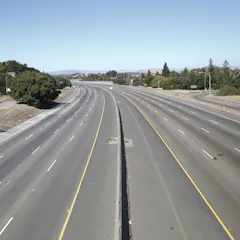
Obama’s proposal to add $10 tax to crude oil raises the thorny question of whether the U.S. can continue to fund its highway infrastructure with a fuel tax that hasn’t changed since 1993.
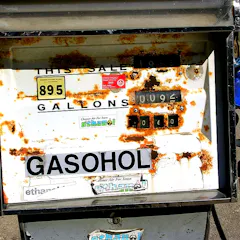
Ted Cruz opposes subsidies for biofuels and still managed to win in ethanol-friendly Iowa. Is corn ethanol starting to lose its political clout?
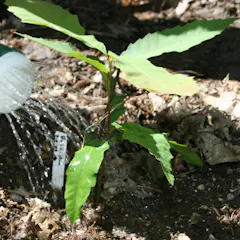
Adding a single wheat gene helps the American chestnut withstand a fungal pathogen that nearly wiped these hardwood trees out of the eastern forests they once dominated.
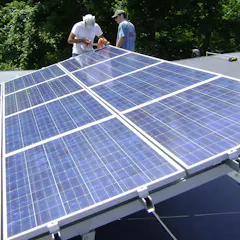
The wind and solar industries scored a huge win by getting extended tax credits, but research shows this isn’t the best policy for lowering emissions through renewable energy.
Authors
-

Professor of Environmental and Forest Biology, State University of New York College of Environmental Science and Forestry
-
Professor and Chair, Department of Paper and Bioprocess Engineering, State University of New York College of Environmental Science and Forestry
-
PhD Candidate in Environmental Biology, State University of New York College of Environmental Science and Forestry
-
Professor of Vertebrate Conservation Biology and Director of the Roosevelt Wild Life Station, State University of New York College of Environmental Science and Forestry
-
Distinguished Professor of Environmental Biology, State University of New York College of Environmental Science and Forestry
-
Assistant Professor of Environmental Biology and Faculty Co-Director of Center for Native Peoples and the Environment, State University of New York College of Environmental Science and Forestry
-
Professor emeritus, State University of New York College of Environmental Science and Forestry
-
PhD Candidate and Research Fellow, State University of New York College of Environmental Science and Forestry
-
Senior Fellow for Biodiversity Studies, State University of New York College of Environmental Science and Forestry
-
Assistant Professor of Environmental Biology, State University of New York College of Environmental Science and Forestry
-
Professor of Environmental and Forest Biology, State University of New York College of Environmental Science and Forestry
-
Professor of Water Resources & Ecological Engineering, State University of New York College of Environmental Science and Forestry
-
Assistant Professor of Energy Resource Economics, State University of New York College of Environmental Science and Forestry
-
Professor in the Department of Environmental and Forest Biology, State University of New York College of Environmental Science and Forestry