
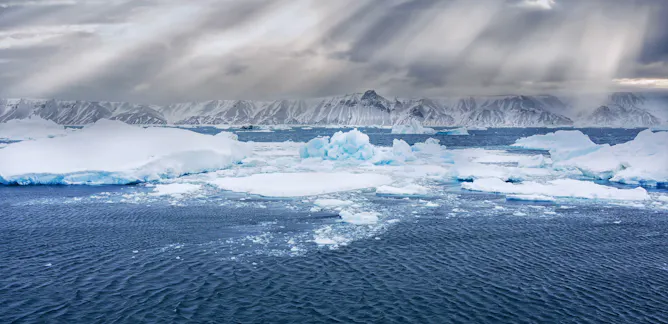
The Southern (Antarctic) Ocean is our planet’s primary storage of heat and carbon, and it’s home to extraordinary life forms, from tiny algae and spineless creatures to penguins, seals and whales.
National Institute of Water and Atmospheric Research (NIWA)

NIWA, the National Institute of Water and Atmospheric Research, is a Crown Research Institute established in 1992. It operates as a stand-alone company with its own Board of Directors and Executive.
NIWA’S purpose is to enhance the economic value and sustainable management of New Zealand’s aquatic resources and environments, to provide understanding of climate and the atmosphere and increase resilience to weather and climate hazards to improve safety and wellbeing of New Zealanders.
Links
Articles
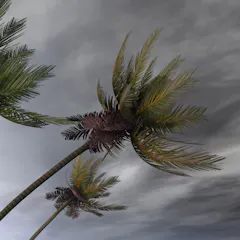
Tropical cyclones account for almost four in five natural disasters across Pacific Island nations. But a new forecasting tool now gives up to four months warning for the upcoming cyclone season.

Latest research explores how a warming ocean circulates underneath Antarctica’s floating ice shelves and how this contributes to future sea level rise.

Auckland’s extreme drought and the rapid retreat of glaciers in the Southern Alps both highlight how important long-term observations are for water management policy and planning.
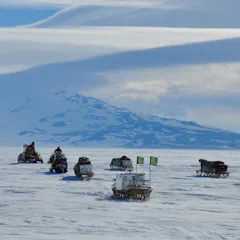
Parts of Antarctica’s largest ice shelf are melting ten times faster than the rest of the shelf, and solar heated waters below the ice are to blame.
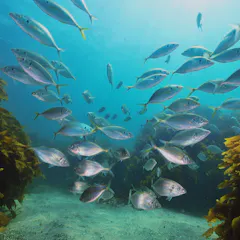
Marine heatwaves may become the new normal for the Tasman Sea and the ocean around New Zealand, and oceanographers are developing models to better predict their intensity.
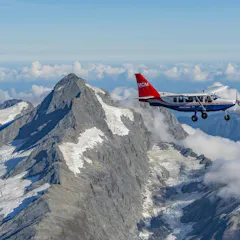
Forty years of continuous end-of-summer snowline monitoring of New Zealand’s glaciers brings the issue of human-induced climate change into tight focus.
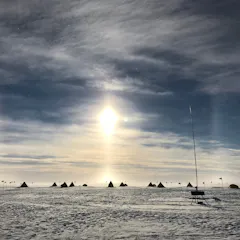
An international team has melted a hole through Antarctica’s largest ice shelf to explore the hidden ocean below, and the shelf’s vulnerability to climate change.
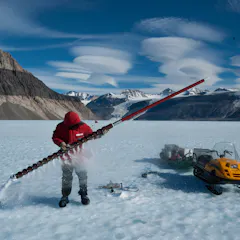
Analysis of 12,000-year-old Antarctic ice reveals that methane leaks from fossil fuel extraction play a larger role than previously thought.
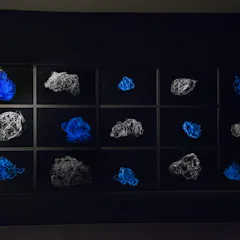
When artists and scientists get together, they fuel each other’s creativity and inquiry.

A new study suggests climate change will cause changes to patterns of ground-level ozone and smog – two deadly pollutants set to increase deaths by about 260,000 worldwide by the end of the century.
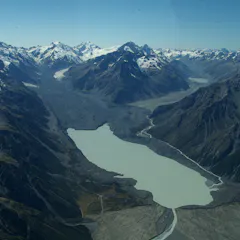
A third of the permanent snow and ice of New Zealand’s Southern Alps has now disappeared, according to our new research based on National Institute of Water and Atmospheric Research aerial surveys. Since…

SAVING THE OZONE: Part seven in our series exploring on the Montreal Protocol on Substances that Deplete the Ozone Layer – dubbed “the world’s most successful environmental agreement” – explains how the…
Authors
-

Principal Scientist & Programme Leader of Southern Hemisphere Climates and Environments, National Institute of Water and Atmospheric Research (NIWA)
-
Meteorologist/forecaster, National Institute of Water and Atmospheric Research (NIWA)
-
Fisheries Scientist, National Institute of Water and Atmospheric Research (NIWA)
-
Atmospheric Scientist, National Institute of Water and Atmospheric Research (NIWA)
-
Research Scientist Trace Gases, National Institute of Water and Atmospheric Research (NIWA)
-
Principal Air Quality Scientist, National Institute of Water and Atmospheric Research (NIWA)
-
River Geomorphologist, National Institute of Water and Atmospheric Research (NIWA)
-
Marine Physicist, National Institute of Water and Atmospheric Research (NIWA)
-
Principal Scientist -- Atmosphere and Climate, National Institute of Water and Atmospheric Research (NIWA)
-
Emeritus, National Institute of Water and Atmospheric Research (NIWA)
-
National Institute of Water and Atmospheric Research (NIWA)
-
Microbial Ecologist, National Institute of Water and Atmospheric Research (NIWA)
-
Glaciologist, National Institute of Water and Atmospheric Research (NIWA)