
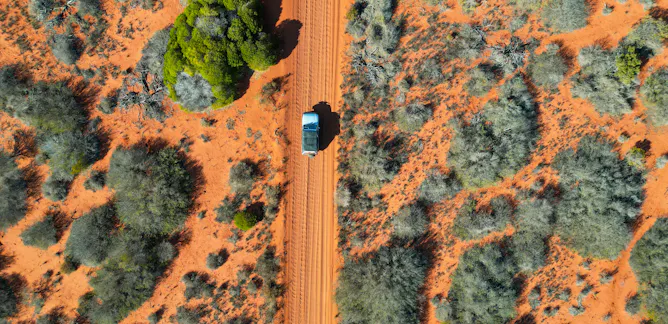
Climate change is disproportionately affecting remote First Nations communities – as three experts explain.
Menzies School of Health Research

Menzies is an independent medical and research institute, a national leader in health, education and research training.
Menzies has made a difference in people’s lives for more than a quarter of a century.
Specialising in Indigenous and tropical health research, the team at Menzies carry out research in more than 60 Indigenous communities across Australia and in developing countries in our region.
We continue to find new ways of breaking the cycle of disease and improving the health and wellbeing of Australian society and beyond.
Links
Articles
Distrust in health care during infectious disease outbreaks can have devastating consequences. Here’s what we can do about it.

After two people in the Northern Territory died from Murray Valley encephalitis, health authorities are warning residents and travellers to avoid mosquito bites.
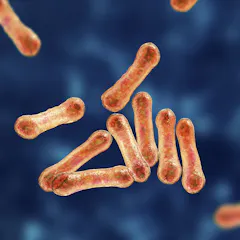
Since January, Australia has recorded more than 220 diphtheria cases. Experts say waning vaccination rates are contributing to this historic outbreak.
The disease has rarely been seen since the 1950s. Here’s what to look out for, and how it made a comeback.

Screening for gestational diabetes will continue. But who gets extra testing, and when, will change.

The RSV vaccine is one of three vaccines covered under the National Immunisation Program for pregnant women.

A series of vaccines offered during high school protect teenagers against certain diseases, and help reduce the spread of these diseases in the community.

A group of alcohol policy researchers raises concerns that proposed changes will worsen the very issues the NT government aims to address.
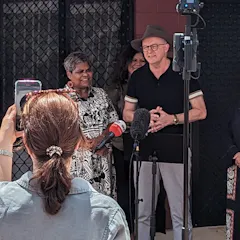
Much of the $4 billion to be spent over ten years will go into maintenance and the preparation of blocks. It will also build Indigenous employment and Indigenous skills.

Men and women often drink alcohol differently. This is especially the case for women who juggle both paid work and motherhood.

Politicians talk about how they want to see more Indigenous graduates but we don’t often hear from Indigenous students about their experiences. New research talks to four young Indigenous men.

Last week, the High Court ruled the community of Santa Teresa could be compensated for the “distress and disappointment” caused by their poor housing. So how can such housing be better managed?

Warna urin bergantung pada seberapa banyak urobilin di dalamnya dan seberapa banyak air di dalamnya.
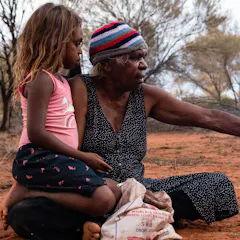
NT residents receive approximately 30% less Medicare funding per capita than the national average. The gap is worse for First Nations Australians in the NT.

Mental health problems are major indirect consequences of armed conflicts and can have short-term and long-term effects on people.
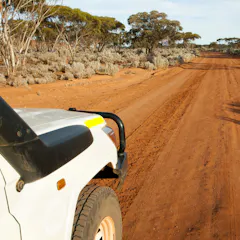
Millions of dollars worth of vaccines are thrown out each year because they are not transported or stored at the right temperature. We made a video to help prevent that.

One criticism of traditional mentoring is that it teaches people how to succeed by playing by existing rules, thus reinforcing the status quo. But mentoring can also be a force for change.

Do we want to punish some of the most vulnerable young people in the community, or do we want to reduce re-offending? The Northern Territory’s proposed youth justice reforms suggest the former.

The new closing the gap targets are ambitious, especially in the area of early childhood education. But this doesn’t mean they can’t be met, with the right approach.
Authors
-

Outstanding Future Researcher, Menzies School of Health Research
-
Professor in Medicine, Menzies School of Health Research
-
First Nations Senior Research Fellow, Menzies School of Health Research
-
Senior Research Fellow, Global and Tropical Health Division, Menzies School of Health Research
-
Alcohol and other Drugs Program Lead, Menzies School of Health Research
-
Indigenous Researcher, Menzies School of Health Research
-
Senior Research Fellow, Menzies School of Health Research
-
Professor of Remote and Rural Health Services Research, Menzies School of Health Research
-
Senior Research Fellow, Menzies School of Health Research
-
Postdoctoral Researcher, Climate Change and Environmental Health, Menzies School of Health Research
-
Associate Deputy Director, Indigenous Leadership and Engagement, and senior researcher, Menzies School of Health Research
-
Senior Research Fellow & Endocrinologist, Menzies School of Health Research
-
Researcher, Menzies School of Health Research
-
Future Leader Fellow, Menzies School of Health Research
-
Associate Professor, Environmental Health, Menzies School of Health Research