

Two physicians discuss the ongoing earthquake relief efforts in their home country of Venezuela and explain what the healthcare system was like before the disaster.
Medical University of South Carolina

Founded in 1824, The Medical University of South Carolina (MUSC) continues the tradition of excellence in education, research and patient care. MUSC educates and trains more than 3,000 students and residents in six colleges and has nearly 13,000 employees, including approximately 1,500 faculty members. As the state’s only academic health science center and largest non-federal employer in Charleston, the university and its affiliates have collective annual budgets in excess of $2.3 billion, with an annual economic impact of nearly $4 billion and annual research funding in excess of $250 million. MUSC operates a 700-bed medical center, which includes a nationally recognized children’s hospital, the NCI-designated Hollings Cancer Center, a Level I trauma center, Institute of Psychiatry, more than 100 outreach locations across the state, and South Carolina’s only transplant center.
Links
Articles

Using vapes for more than two years and with nicotine concentrations above 3% is linked to higher dependence, making it more difficult to stop.

Change in the brain usually comes with plenty of effort over time. Neuroscientists are working to understand how psychedelic drugs provide a shortcut that seems to rely on existing brain systems.
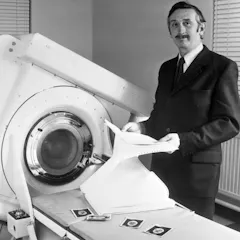
On Oct. 1, 1971, Godfrey Hounsfield’s invention took its first pictures of a human brain, using X-rays and an ingenious algorithm to identify a woman’s tumor from outside of her skull.
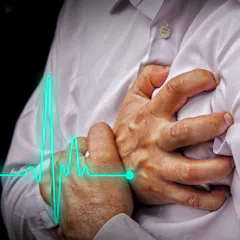
Using a large family whose members suffered from mitral valve prolapse, one of the most common heart diseases worldwide, researchers have discovered one cause of the disorder.

Partly in response to the so-called ‘reproducibility crisis’ in science, researchers are embracing a set of practices that aim to make the whole endeavor more transparent, more reliable – and better.
Authors
-

Assistant Professor in Medicine, Medical University of South Carolina
-
Affiliate Associate Professor of Psychiatry & Family Medicine, Medical University of South Carolina
-
Postdoctoral Research Fellow in Psychiatry and Behavioral Sciences, Medical University of South Carolina
-
Professor of Medicine and Public Health Sciences, Medical University of South Carolina
-
Associate Professor of Regenerative Medicine and Cell Biology, Medical University of South Carolina