
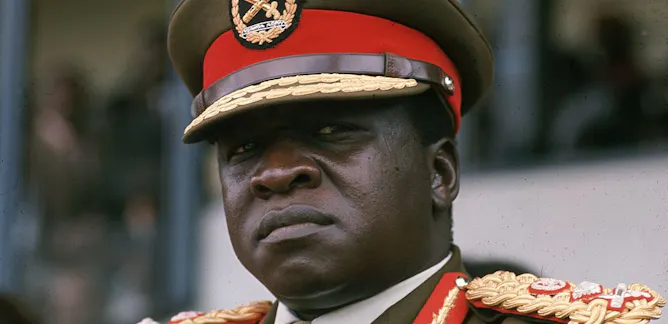
There is more to ethnic identity than ancestral location or settlement pattern, language or family history.
Makerere University

Links
Articles
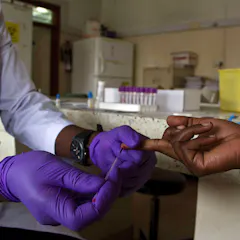
HIV services must be comprehensive to ensure that people take their medication as prescribed and avoid onward transmission of the virus.
Even before the advent of COVID-19, donors had begun to exit HIV programmes with increasing frequency.
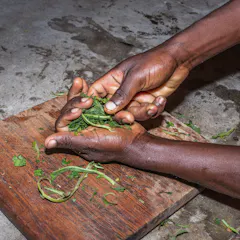
It is important that herbal medicine be checked for its safety, its potential to treat particular ailments, and to ascertain its chemical components.
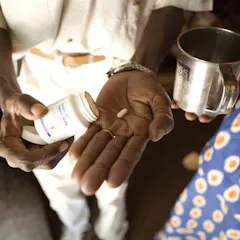
There are currently 1.2 million Ugandans enrolled on antiretroviral therapy (ART). They are especially affected by the lockdown.
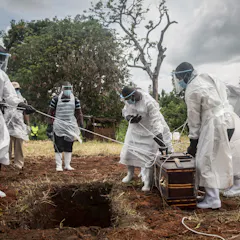
Uganda needs to activate the community engagement pillar and resource the new strategy that’s in place.
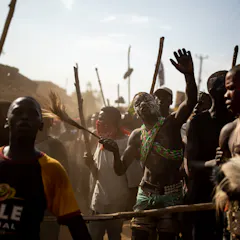
Sacred sites where rituals are performed by the community should be protected as living archives that house local heritage.
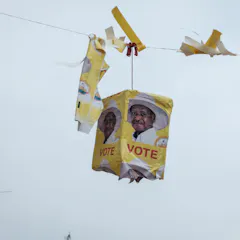
Museveni’s attempt to gain support in urban areas in the 2021 elections was not only about repression. But it still failed.
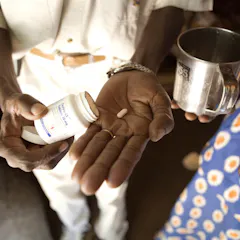
The giant leap in the number of people accessing HIV treatment would not have been possible without task shifting from medical doctors to less-specialised cadres such as nurses and midwives.

In some countries there appear to be mismatches between lists of essential medicines and lists of registered medicines.
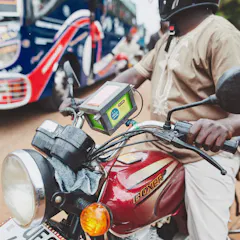
Kampala, like many other cities in sub-Saharan Africa, has a critical data gap on the scale and magnitude of air pollution.
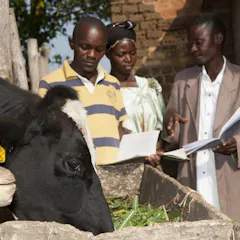
Many of the tools needed to tap into the potential of Africa’s livestock sector exist already.

The fact that teachers in Uganda’s rural schools weren’t trained in the local language means they can’t teach children in their mother tongue and this leads to poor literacy acquisition.
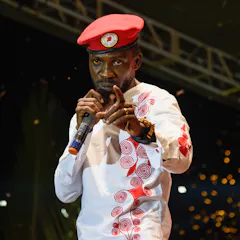
Uganda’s COVID-19 task force would do well to embrace pop music in its public health communications.

African academics draw up a reading list that speaks to the vibrancy of contemporary as well as older African literature.
CC BY-NC-ND7.6 MB (download)
Women need to be included in all matters of health.
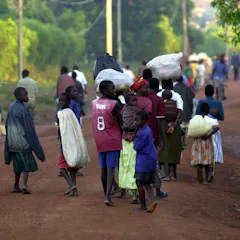
Displaced by a landslide, Ugandan survivors could not speak the language of the region where they were relocated - but music allowed them a voice.
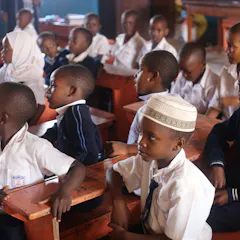
Uganda’s English language policy is at odds with the situation on the ground in the country’s rural schools.
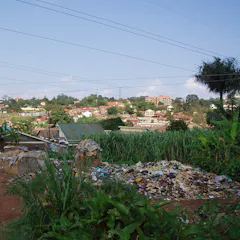
Dans les zones urbaines défavorisées de Kampala, un réseau de petites structures valorisent les déchets pour en faire des briquettes combustibles.
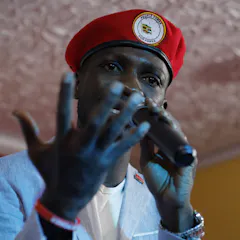
There is a strong framework of international laws and conventions that defend free speech, but Uganda continues to limit freedom of expression especially when the people criticise their president.
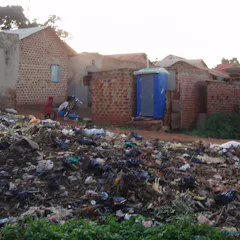
Residents have come up with solutions to make usable products out of organic waste materials.
Authors
-

Lecturer, Department of Forestry, Biodiversity and Tourism, Makerere University
-
Associate Professor of Obstetrics and Gynecology, Makerere University
-
Senior Lecturer, Department of Sociology & Anthropology, Makerere University
-
Associate Professor (Philosophy ), Makerere University
-
Lecturer, Makerere University
-
Lecturer, Makerere University
-
PhD Candidate in Educational Management, Makerere University
-
Senior Lecturer of Health Systems Pharmacy and Researcher, Makerere University
-
Senior Lecturer, Department of Journalism and Communication, Makerere University
-
Energy Economics Lecturer, Makerere University
-
PhD Fellow, Makerere Institute of Social Research, Makerere University
-
Senior Research Fellow and Field Director, Makerere University Biological Field Station, Makerere University
-
Senior lecturer, Department of Chemistry, Makerere University
-
Lecturer in Public Health, Makerere University
-
Senior Lecturer of Law, Makerere University
