

Africa is known to be where humans originated. This makes it the most genetically diverse region in the world. Diversity in other populations represents a subset of the diversity within Africa.
London School of Hygiene & Tropical Medicine

The London School of Hygiene and Tropical Medicine aims to improve health and health equity in the UK and worldwide; working in partnership to achieve excellence in public and global health research, education and translation of knowledge into policy and practice.
The School’s multidisciplinary expertise includes clinicians, epidemiologists, statisticians, social scientists, molecular biologists and immunologists. They work with partners worldwide to support the development of teaching and research capacity, and their alumni work in more than 180 countries.
Links
Articles

There are a number of effective interventions to prevent gender-based violence among adult women and men at risk of HIV infection. But little is known about the effectiveness of these in young people.
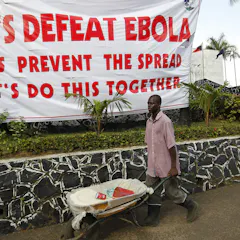
A proper understanding of community dynamics and local beliefs can inform medical interventions that are capable of establishing positive and productive relations with local communities.

Matt Hancock wants a new levy to tackle gambling harms, but it’s a lost opportunity unless you spend it the right way.

In England, one in fifty children cycle to school. But if English children cycled at the same rates as Dutch children, this could rise to two in five.

A Lancet commission has come up with a new sustainable diet that’s supposed to be the way forward.

Blaming the rapid increases in syphilis cases on PrEP is an oversimplification of a complex problem.

The Canadian government is currently drafting regulations on plain packaging for cigarettes. Tobacco companies are trying to weaken the regulations via lobbying and misleading PR campaigns.

An international comparison of life expectancy rates has raised alarm bells for the UK.
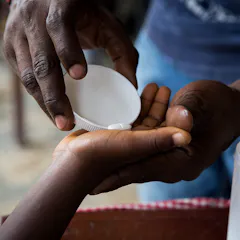
Corruption in Nigeria’s health sector can be eliminated by the implementation of a few simple strategies.

The UK government is shockingly apathetic about the fast rise in mortality in England and Wales.

Growing numbers of people are using food banks to feed themselves and their families. But many areas where residents face a high risk of food poverty are under-serviced.

Sub-Saharan countries have unprecedented opportunities to substantially improve health outcomes within a generation, largely with their own resources.

Sex workers shouldn’t be victims of violent crime and murder at work – and yet they continue to face daily dangers.

Why do a higher proportion of children in England end up on wards after being checked into emergency departments?

Wondering why the Good Lord gave Culicoides impunctatus to Scotland? This might be the best answer yet.

To tackle diseases like meningitis, African governments must find fresh ways to fight for lower cost vaccines.

Medical circumcision in settings where there are high rates of HIV will only be successful if these interventions take into account local beliefs about circumcision.

Classing e-cigarettes as quit smoking aids could help rebrand the tobacco industry as a legitimate player in health policy. Here’s why we should be concerned.

A moving dispatch from the frontline in the fight against Zika.
Authors
-

Associate professor, London School of Hygiene & Tropical Medicine
-
Professor in Health Systems and Policy, London School of Hygiene & Tropical Medicine
-
Associate Professor in Anthropology and Public Health, London School of Hygiene & Tropical Medicine
-
Professor Infectious Diseases and International health, London School of Hygiene & Tropical Medicine
-
PhD Candidate, Agriculture and Infectious Disease, London School of Hygiene & Tropical Medicine
-
Professor of Social Epidemiology, London School of Hygiene & Tropical Medicine
-
Associate Professor, London School of Hygiene & Tropical Medicine
-
Lecturer in Biomedical Science, University of East London; London School of Hygiene & Tropical Medicine
-
Associate Professor, Environment and Health (MRCG@LSHTM); Senior Lecturer (Ecological Health, Imperial College London), London School of Hygiene & Tropical Medicine
-
Research Fellow, London School of Hygiene & Tropical Medicine
-
Professor of European Public Health, London School of Hygiene & Tropical Medicine
-
Assistant Professor of Nutrition-Sensitive Agriculture, London School of Hygiene & Tropical Medicine
-
Professor of Climate Change, Food Systems and Health and Director of The Lancet Countdown in Africa, London School of Hygiene & Tropical Medicine
-
Assistant professor, London School of Hygiene & Tropical Medicine
-
Professor of Health Economics, Global Health Economics Centre, London School of Hygiene & Tropical Medicine