

Two previous opportunities to improve the way MMP works have been missed. The 2026 election result shows why better stewardship of the system is needed.
Lincoln University, New Zealand

Lincoln University exists to conduct world-class research and education to grow the knowledge of its students and help shape a world that benefits from a greater understanding of the relationships between land, food and ecosystems.
Lincoln University is New Zealand’s only land-based university, and for 142 years has been equipping our students, researchers and thought leaders with the knowledge and skills to grow a future where people can live well for generations to come. We are dedicated to advancing educations, research and technologies that will help solve grand challenges for the land-based sector in Aotearoa New Zealand and beyond.
Links
Articles

NZ’s environmental problems are mounting, while the regulatory system managing them has undergone radical change.

Māori and Pacific people carry a disproportionate burden of preventable disease. Concerned voters should look beyond parties’ headline pledges on health.

A new analysis tracking three decades of public discussion about GM finds economic arguments have increasingly crowded out cultural and ethical questions.

Most older New Zealanders live in private homes. As the population ages, making streets, transport and public spaces work for them will become crucial.

Research shows a phosphorus-rich compound found in wastewater raises uptake by plants and reduces discharge to waterways.

Private investment promises new money and expertise for NZ netball. But its success will depend on who benefits – and what happens to the wider game.
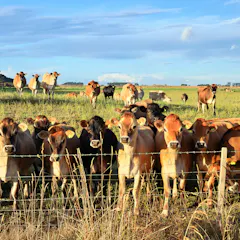
Chronic lifestyle diseases place growing pressure on healthcare. Prevention strategies should go beyond consumer behaviour and address how food is produced.

Reshaping local boundaries based on river catchments would make for a more cohesive approach to all aspects of water management – and how communities really live.

Elite athletes share with the rest of us a common underlying physiology and the capacity to adapt significantly to training. It’s never too late to start.
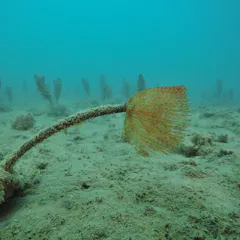
Effective pest control depends on local teams but requires national oversight and funding. A federated system could strengthen New Zealand’s biosecurity response.
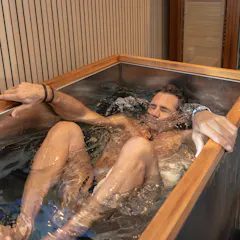
Online wellness trends claim saunas and cold plunges can boost male fertility. The evidence tells a more nuanced story – and some claims don’t stack up.

Idle vessels accumulate biofouling quickly, especially in tropical waters. But there are precautions other ports can take against alien pests, parasites or disease.
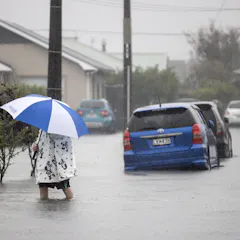
New research shows disabled people remain overlooked in climate policy, despite lived experience that could help build more resilient communities.

Retired male elite rugby players have higher rates of osteoarthritis, mild cognitive disorders, depression and hazardous alcohol use than non-contact sport players.
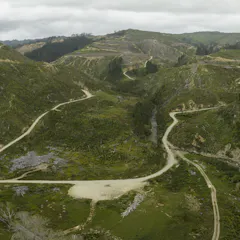
As an overhauled rulebook for commercial forestry comes into force, there are concerns it could weaken safeguards as climate risks intensify.
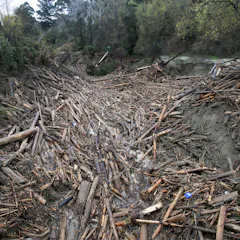
An analysis shows forestry clear-cutting limits in Tairāwhiti have barely been applied, as new rules take a more permissive stance on slash risk.
Two million people drink water from the Waikato. But the river is degrading as pollution and invasive clams spread faster than monitoring protocols can detect.

For most elite women athletes, professional sport still doesn’t pay enough to make a living. But strategic investment will grow their visibility and earning power.

New Zealand universities are slowly closing the pay gap, but men are still more likely to fill senior leadership roles in the highest pay brackets.
Authors
-

Research Officer, Department of Environmental Management, Lincoln University, New Zealand
-
Professor and Provost, Lincoln University, New Zealand
-
Associate Professor in Planning and Environmental Management, Lincoln University, New Zealand
-
Lecturer in Sport Management and Sport Science, Lincoln University, New Zealand; University of Southern Queensland
-
Professor in Landscape Architecture, Lincoln University, New Zealand
-
Distinguished Professor of Soil Science, Lincoln University, New Zealand
-
Senior Tutor in Landscape Architecture, Lincoln University, New Zealand
-
Senior Lecturer, Department of Tourism, Sport & Society, Lincoln University, New Zealand
-
Professor of Agricultural Systems, Lincoln University, New Zealand
-
Distinguished Professor of Plant Biosecurity, Lincoln University, New Zealand
-
Senior Lecturer, Department of Tourism, Sport and Society, Lincoln University, New Zealand
-
Head of School of Landscape Architecture and Senior Lecturer in Landscape Planning, Lincoln University, New Zealand
-
Senior Lecturer in Environmental Management, Lincoln University, New Zealand
-
Senior Lecturer in Politics, Lincoln University, New Zealand
-
Lecturer in Sport Sociology, Lincoln University, New Zealand